

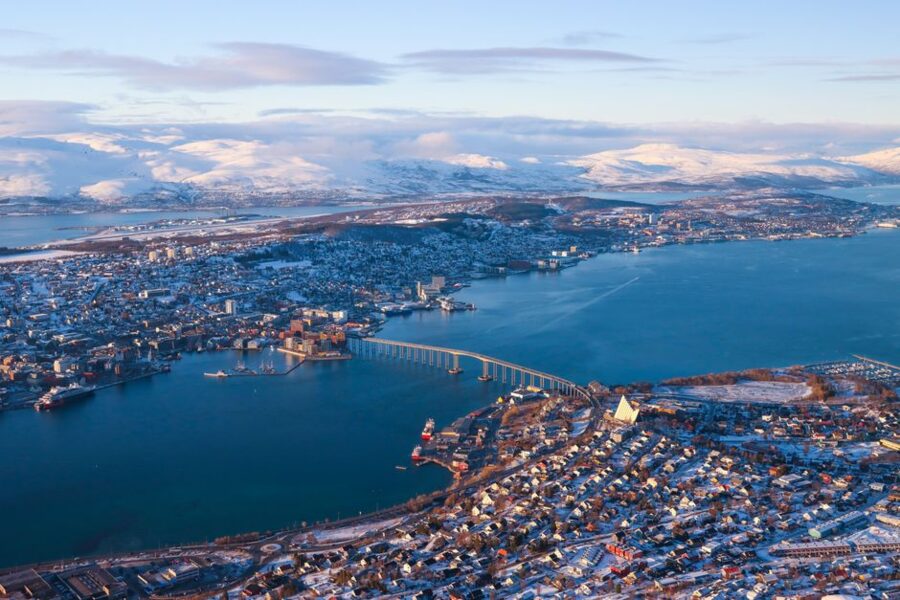
On 27 November 2026 the sun clears the horizon over Tromsø for twenty minutes, from 11:21 to 11:41, and the mountains south of the city hide even that. It does not rise again until 15 January. Most people flying in for the 2026-27 winter are coming for what happens in between: the blue noon twilight, the northern lights, the whales in the fjords to the north.
The town itself is the other reason to come, and the one most visits shortchange. Tromsø is a real place of 80,072 people, with a university, a teaching hospital, a cathedral built of wood, a beer hall that has been open on the same street since 1928, and more museums than you would expect of a town its size. It sits on an island about 350 km north of the Arctic Circle, and almost everything you will want to see is within a half-hour walk or a ten-minute bus ride of the harbour.

Contents 9 parts
Tromsø in short: what it is, when to come, how long to stay
Tromsø is Northern Norway’s largest town and its capital in all but name. Statistics Norway’s figures for Tromsø municipality put the population at 80,072 in the third quarter of 2026, most of them in the town on Tromsøya, in Tromsdalen across the bridge, and in Kvaløysletta on the big island of Kvaløya to the west. The largest employers are UiT The Arctic University of Norway and the University Hospital of North Norway; the Norwegian Polar Institute has its headquarters here.
The North Sámi name for the town is Romsa. Tromsø has long called itself Porten til Ishavet, the gateway to the Arctic Ocean, and it earned the name as the home port of the sealers and trappers who worked Svalbard and the ice, and later of the expeditions that hired them.

When to come
Pick the season by what you want to see. Tromsø in January and Tromsø in June have almost nothing in common except the street plan.
| Months | Light | Good for |
|---|---|---|
| Late August to October | Nights darken fast; autumn colour on the hills | First aurora without deep cold, hiking |
| November to mid-January | Polar night from 27 November to 15 January; twilight at noon | Aurora, whales north of Tromsø, the blue light |
| Late January to March | Sun back, days lengthening fast, snow deepest | Aurora plus daylight activities, skiing, festivals |
| April to mid-May | Long evenings, little darkness by May | Ski touring, quieter town |
| About 20 May to 22 July | Midnight sun | Hiking, islands, beaches, night walks |
Visit Tromsø gives the winter average as −4 °C and the summer average as 12 °C, and its advice on dressing for the Arctic says to be ready for anything from −25 °C to 5 °C on a night out chasing the aurora. The coast keeps the town milder than the inland valleys; the wind makes up the difference.
How long it needs
Three full days covers the town and one evening out after the aurora. Five lets you add a day trip and gives the weather a second and third chance, which is the real argument for staying longer in winter: one cloudy front can sit over the coast for two nights running. In summer, four days with a hire car is enough for Kvaløya, Sommarøy and one long drive.
How a trading post became the gateway to the Arctic
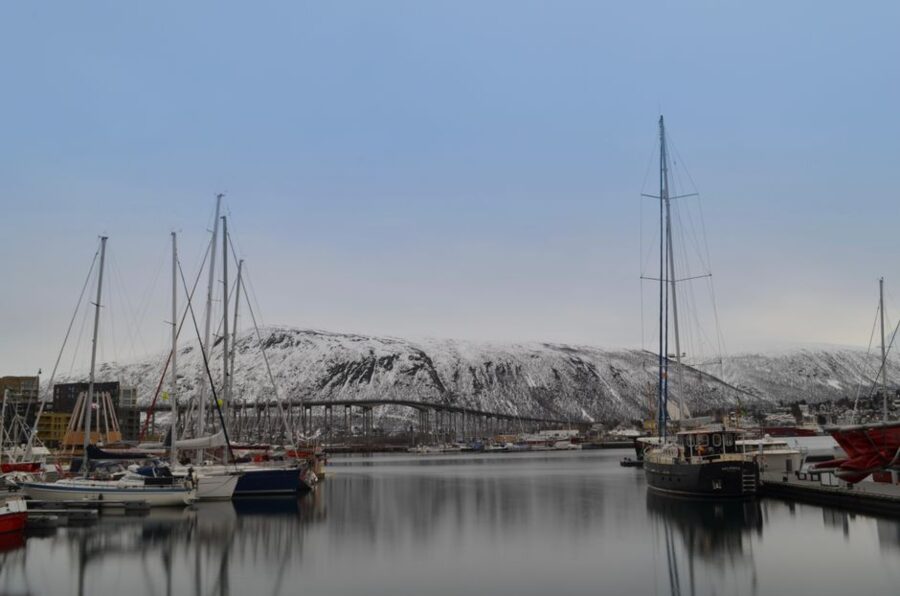
There was a church at Tromsø by the middle of the 13th century, recorded in the saga of King Håkon Håkonsson, and for five hundred years that was most of what was here. People rowed in from the fjords for Sunday service, stayed in church cottages on the shore at Prostneset and traded while they were at it. It was a Norwegian outpost on a coast where most people were Sámi, a frontier rather than a centre.
1794: a town of eighty people
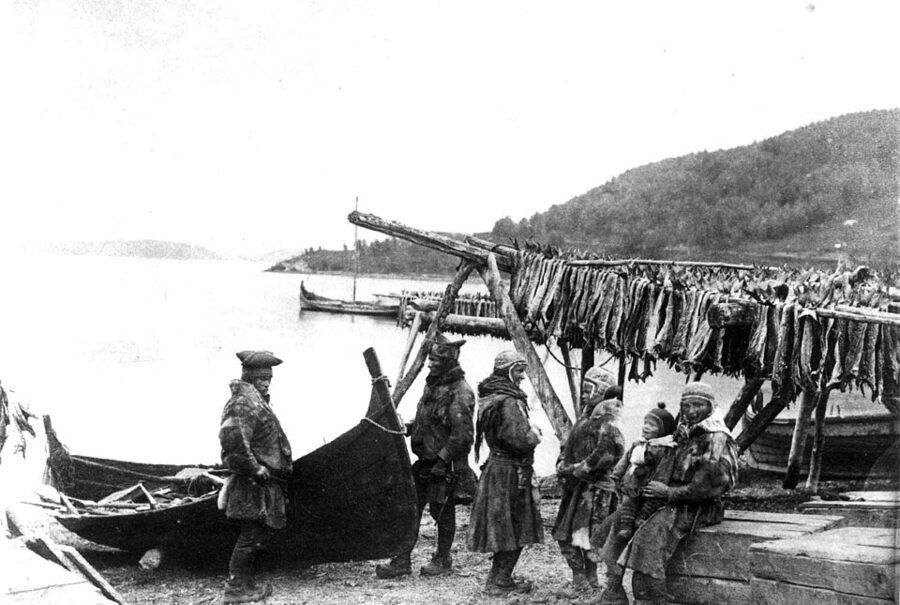
Trade made the town. When the Bergen merchants’ monopoly on the northern trade was lifted in 1789, the state built a customs house at Skansen, the old fortification on the harbour, to tax the new business. In 1794 Christian VII signed the charter that made Tromsø a market town. About 80 people lived there.
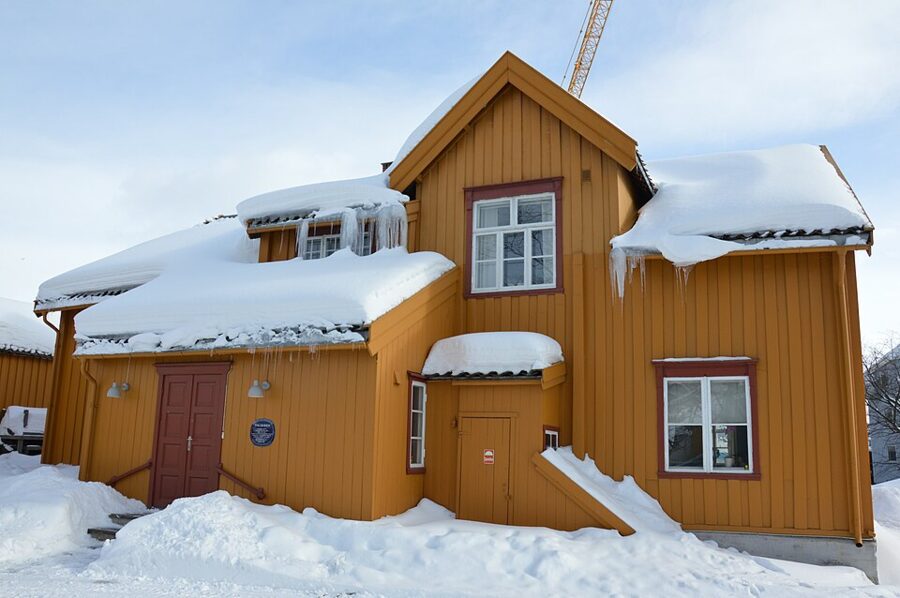

Growth came from the east and the north. The Pomor trade with the White Sea coast of Russia exchanged northern fish for Russian grain, and from 1820, when the first Tromsø vessel sailed for the Arctic, the town sent sealers and trappers to Svalbard, Novaya Zemlya and the edge of the ice. By 1850 Tromsø had overtaken Hammerfest as Norway’s leading Arctic port. The merchants’ houses that survive in Sjøgata and Skippergata date from this boom.
The money also bought the town a reputation. Around 1840 visitors started calling it the Paris of the North, for the fashions its merchants imported straight from the Continent and the polish of its society. Bjørnstjerne Bjørnson put it less kindly in a letter to his wife: here, he wrote, there was nothing but champagne and racket.
Amundsen, Nansen and the expedition port
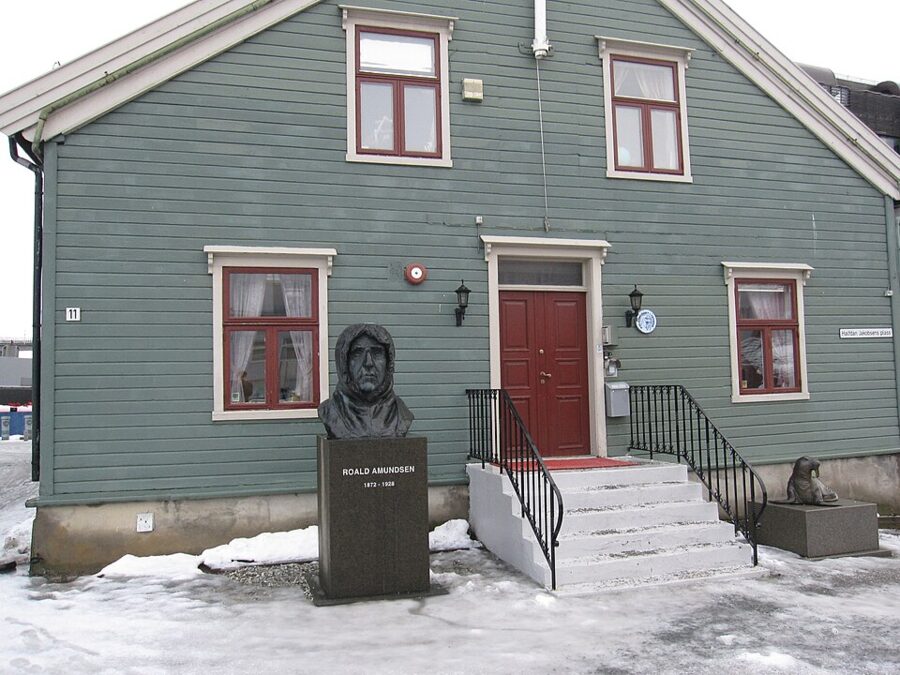
Generations of hunting on the ice gave Tromsø crews who knew how to survive it, and that made the town the natural last stop for polar expeditions. Fridtjof Nansen, Roald Amundsen and Umberto Nobile all came through. On 18 June 1928 Amundsen took off from Tromsø in the French flying boat Latham to search for Nobile’s crashed airship Italia, and neither he nor the plane was seen again.

The war: 1940 and 1944–45
For three weeks in 1940, with Oslo and the south occupied, Tromsø was the seat of the free Norwegian government, until King Haakon and the cabinet left for Britain on HMS Devonshire on 7 June. The Germans then held the town for five years and ran three prison camps in it.
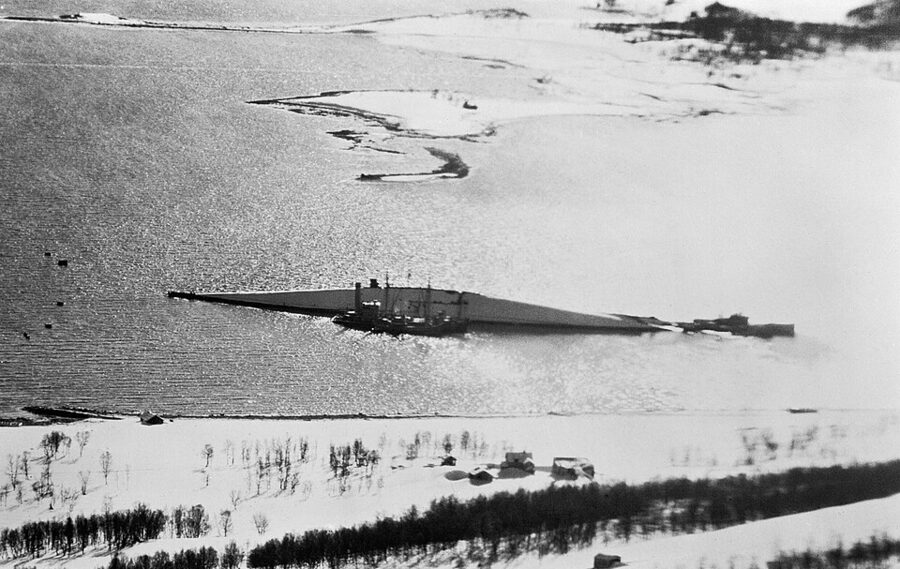
On 12 November 1944 RAF Lancasters sank the battleship Tirpitz off the island of Håkøya, just west of Tromsøya, and more than a thousand men died. Two days later Tromsø registered 7,381 evacuees from Finnmark and northern Troms, where the retreating German army was forcing people out and burning their homes. Tromsø itself came through the war standing, which is why its old wooden centre survives.
The university and the aurora boom
Postwar Tromsø was run down, and then it grew fast. The bridge to the mainland opened in 1960, Fjellheisen in 1961, the airport in 1964, the Arctic Cathedral in 1965. Parliament voted to found a university here in 1968 and it opened in 1972, turning a fishing and trading town into a research town; since 1964 the population has more than doubled.
The latest change is tourism. Winter, once the quiet season, is now the busy one, and the northern lights are the reason. The municipality and the regional authorities have published a guide for aurora operators to cope with the growth, covering consideration for residents at night, fires in lay-bys, winter driving, and the labour and tax rules that inspectors found being broken.
Romsa: a Sámi town as well
Sámi history here runs older than the town’s. There were Sámi settlements in the fjords around Tromsøya long before the church, and the medieval line between Norse and Sámi settlement ran near Malangen to the south. Today the town has an urban Sámi community, a university with a strong record in Sámi language research, and Sámi Week every February. Tromsø applied to join the Sámi language administrative area in 2011, but the application was stopped after that autumn’s local election, so North Sámi has no formal status in the municipality.

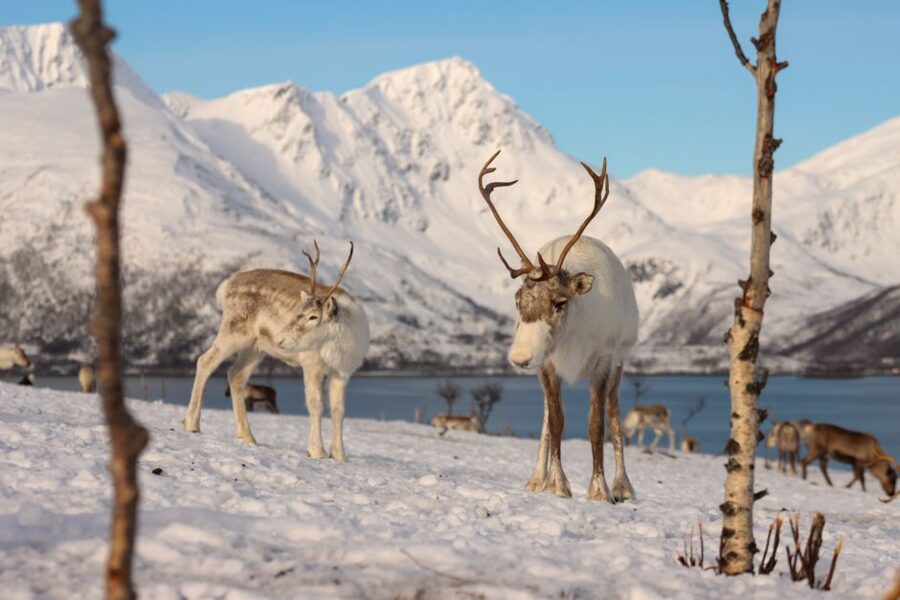
Visit Tromsø’s page on reindeer and Sámi experiences lists tours, many hosted by herding families outside town, from feeding reindeer to sledding, joik (the Sámi vocal tradition) and a meal of bidos, reindeer stew, in a lavvu. How those visits treat animals and hosts is worth reading about first: the guide to Arctic animal tourism covers reindeer, sled dogs and whales.
In town: what to see, with hours and prices
Everything below is open in winter, which in Tromsø is the main season. Prices are for one adult in 2026.
The Arctic Cathedral
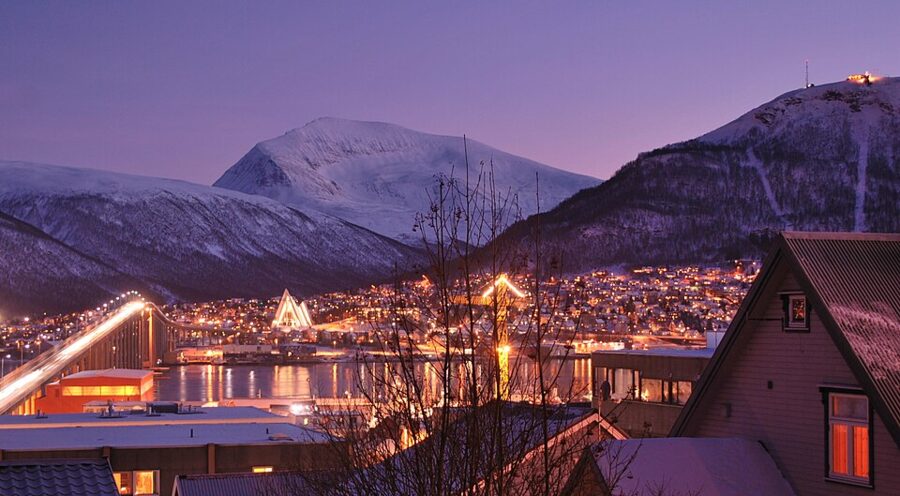
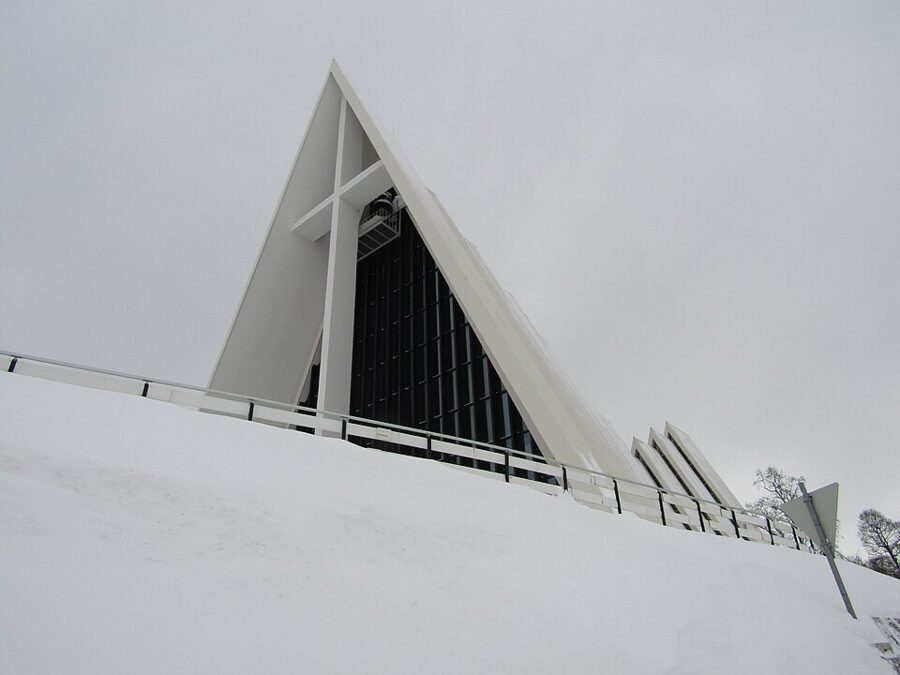
Tromsdalen Church, which everyone calls Ishavskatedralen, the Arctic Cathedral, was consecrated on 19 November 1965. Jan Inge Hovig’s design is eleven aluminium-clad concrete panels on each side, stepping down towards a glass front with a cross set into it. It is a parish church, not a cathedral, and it closes to sightseers during funerals and weddings.

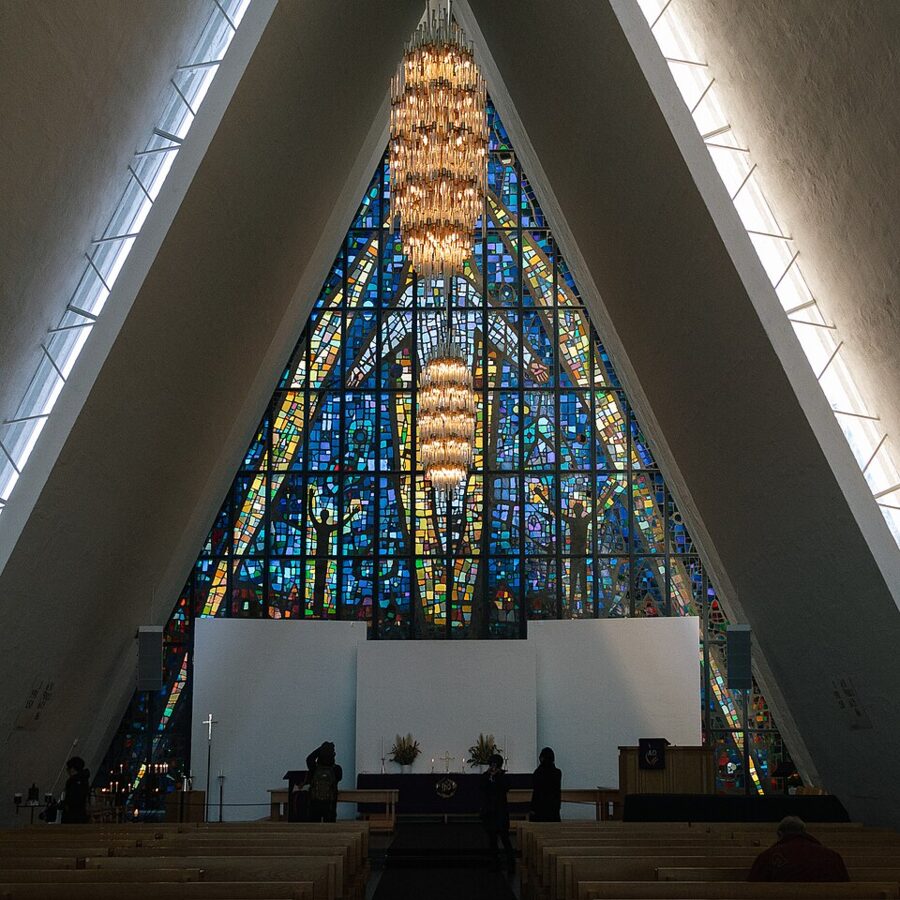
Inside, the east wall is a glass mosaic by Victor Sparre, installed in 1972: the hand of God sending out three rays of light. The organ of 2005 has 2,940 pipes. Entry is NOK 90 at the door, free for children under 12 and Tromsø residents. The church publishes its opening hours week by week; in autumn and winter 2026 it opened 10:00–17:00, Sundays 13:00–17:00.

There are concerts most weeks in the dark months and a long run of them before Christmas. Buses 24 and 26 stop at Tromsdalen kirke. Drones are banned around the church, and the fines are real.
Fjellheisen and Storsteinen
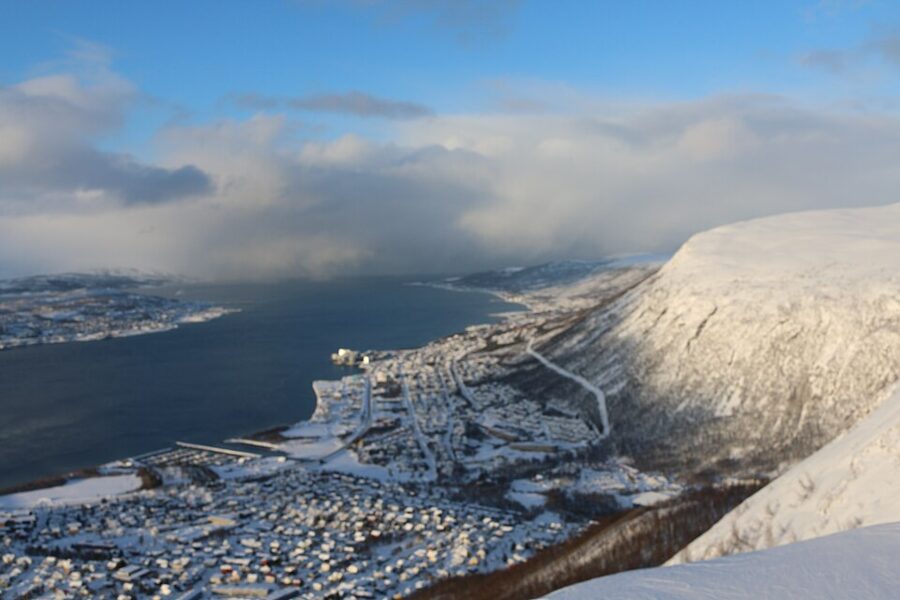
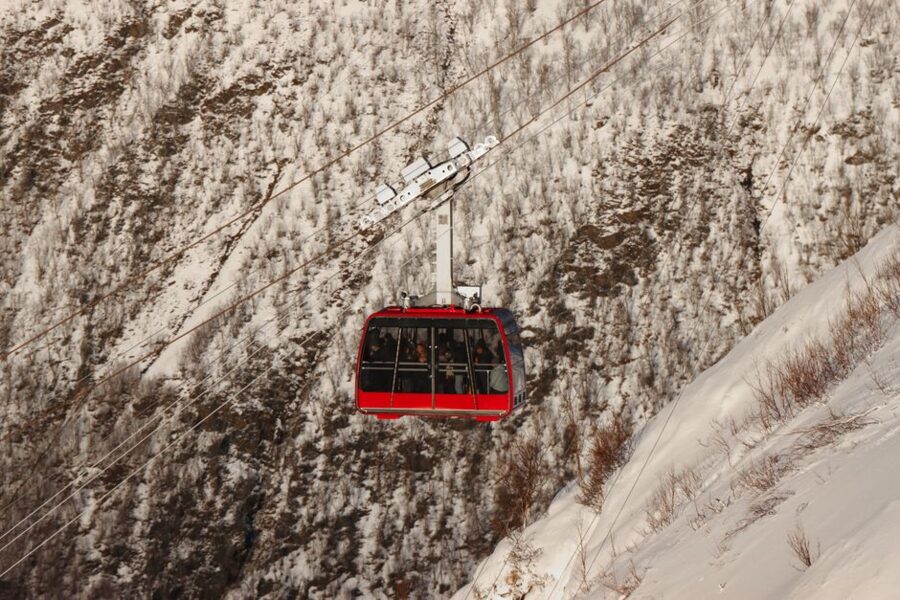
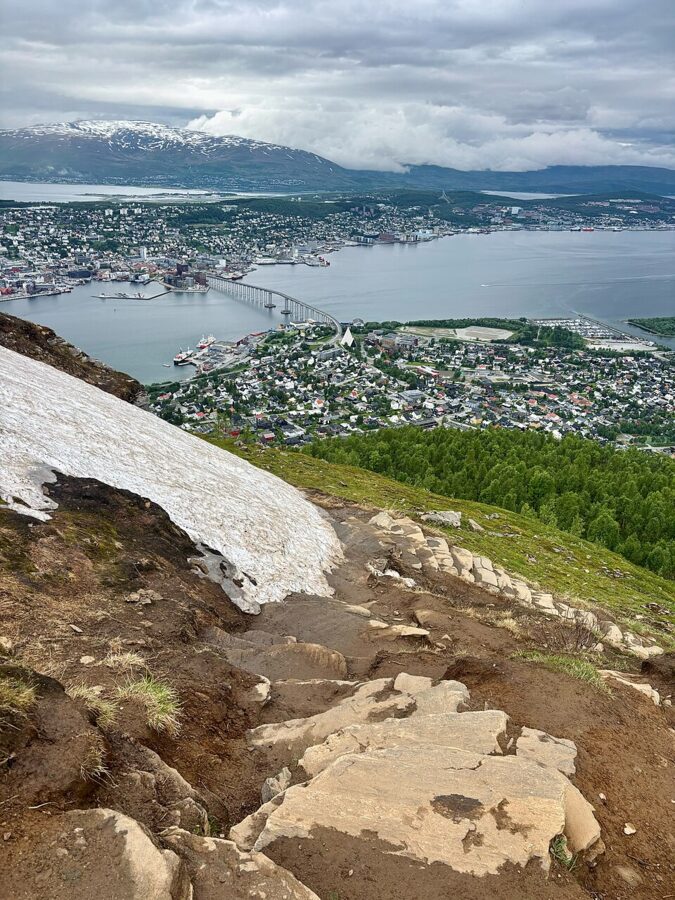
The cable car has run from Tromsdalen up to Storsteinen, 421 m above the sound, since 1961. A cabin holds about 28 people, the ride takes four minutes, and departures are on the hour and half hour, with extra runs when the queue is long. At the top there is a café and the whole town below you, and on a clear night a good chance of aurora overhead.
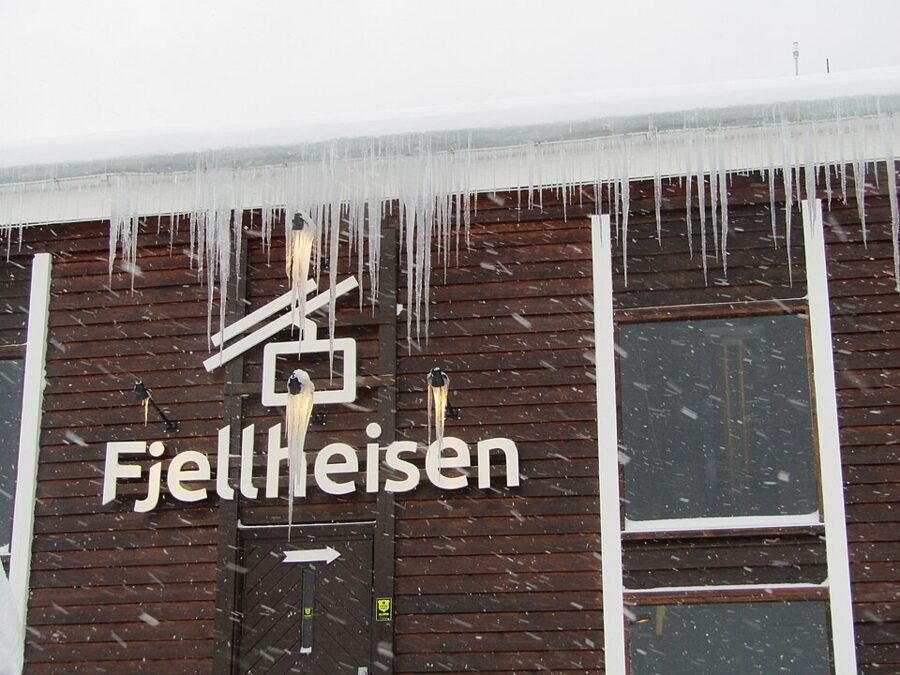

The gondola runs daily 09:00–00:00, the café 09:00–23:30. Fjellheisen’s ticket page lists NOK 645 return and NOK 415 one way for adults, and NOK 1,360 return for a family of two adults and two children. From 30 November a free shuttle bus, included in the ticket, runs between the Scandic Ishavshotel on the harbour and the lower station; the last one back from the mountain leaves at 22:15, and after that you need a city bus or a taxi.
The lift has closed for maintenance in spring in recent years, until the end of May in both 2025 and 2026, so check before planning an April visit around it. The free alternative is the Sherpatrappa, a long stone staircase up the slope beside the cable car. I would walk it only on a dry summer evening; in winter the steps are icy and dark.

Polaria
Polaria opened in 1998 in the building that looks like a row of toppled ice floes, on the waterfront at the south end of the centre. It is an aquarium and Arctic science centre, and the main event is the bearded seals, trained and fed daily at 10:30, 12:30 and 15:30. A panorama cinema shows short films on the aurora and Svalbard through the day.
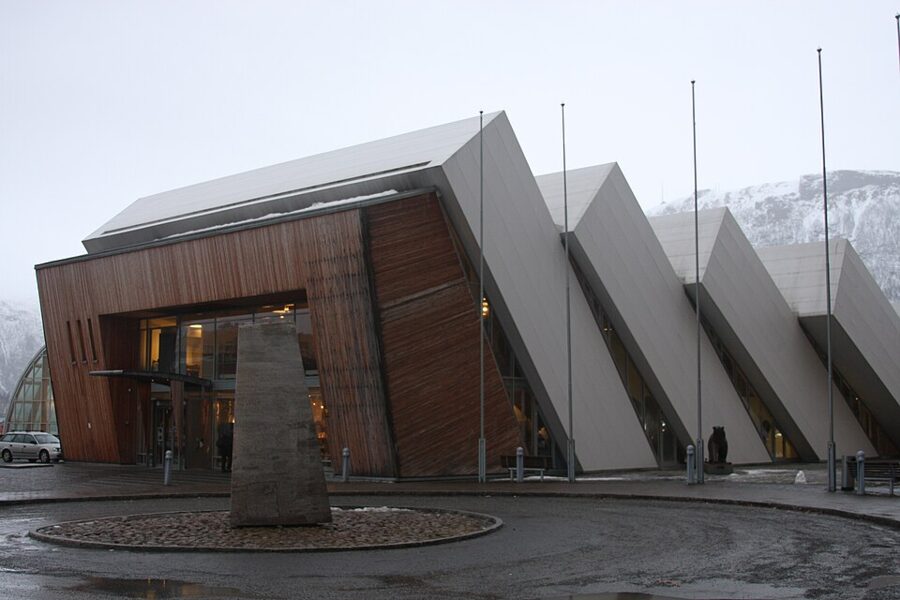

It opens daily 10:00–17:00. Polaria’s practical information gives the 2026 prices as NOK 395 for adults, NOK 220 for children aged 3 to 15 and NOK 925 for two adults and three children. Allow two hours; buses 33, 34, 40 and 42 stop outside. With small children, this is the one to do first.
The Polar Museum
If you see one museum in Tromsø, make it this one. The Polar Museum fills the red customs warehouses on the Tollbodbrygga pier with the town’s Arctic past: the sealing and overwintering trade, the Norwegian polar expeditions, and the history of Svalbard, where Tromsø trappers spent winters in huts at the edge of the ice. The stories run from Willem Barentsz’s first meeting with polar bears in the 1590s to a thin Christmas in a trapper’s hut.
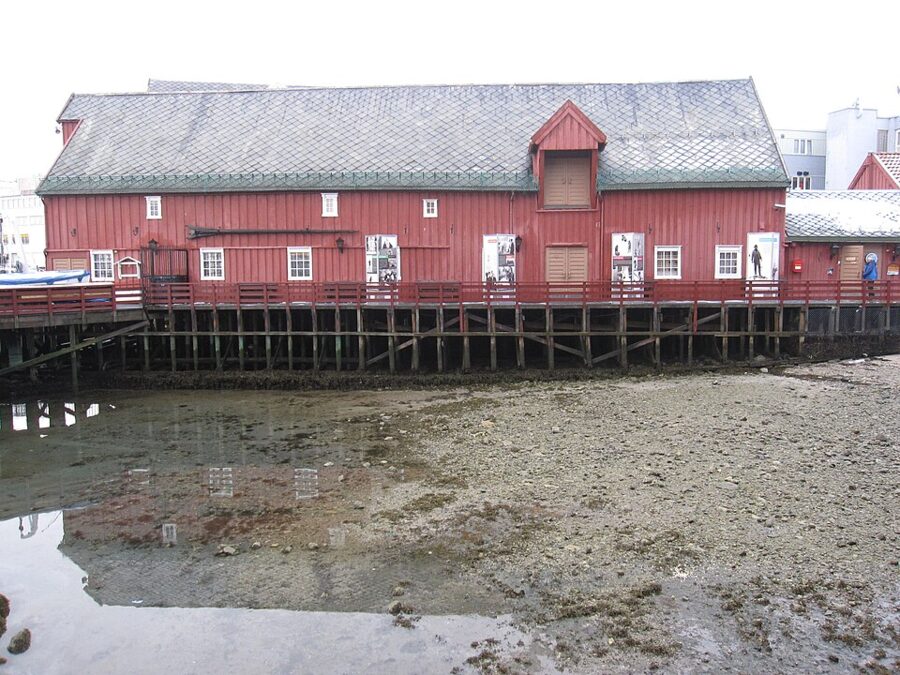

The museum is part of the Arctic University Museum of Norway. Its visitor page lists daily hours of 10:00–18:00 and an adult ticket of NOK 130; under-18s go free. An annual museum pass at NOK 500 covers this and the main university museum, and gets a second adult in free each time.
The Arctic University Museum and the Sámi exhibitions
The main museum, founded as Tromsø Museum in 1872, sits at the south tip of Tromsøya, about 2.5 km from the centre. Its exhibitions on the Sámi people are the place in town to start on Sámi history, and from September 2026 to May 2027 a guide takes a tour of them every Friday at 13:00. The natural history side runs to the skeleton of a northern bottlenose whale.
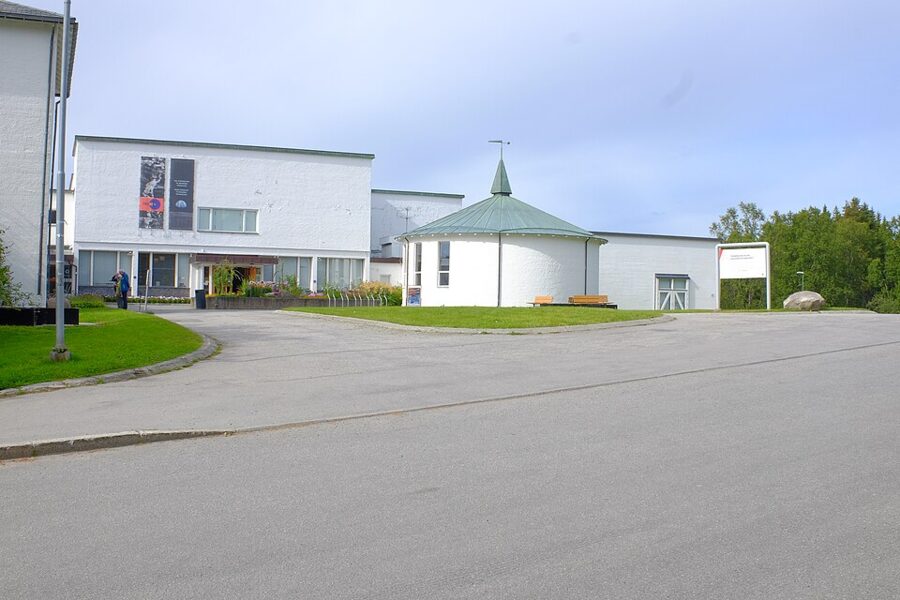

From 16 August to 14 June it opens Monday to Friday 10:00–16:30 and weekends 11:00–16:00. The museum’s planning page gives the adult price as NOK 130, free for under-18s. Bus 40 stops outside at Tromsø Museum.
Perspektivet Museum
The town museum occupies a neoclassical merchant’s house of 1838 at Storgata 95 and does small, well-made exhibitions on the people of Tromsø. Tidsreiser Tromsø, time travel through the town, runs until 29 August 2027, alongside a long-running exhibition on the novelist Cora Sandel, born Sara Fabricius, who grew up here. The museum also holds about half a million photographs of the town.
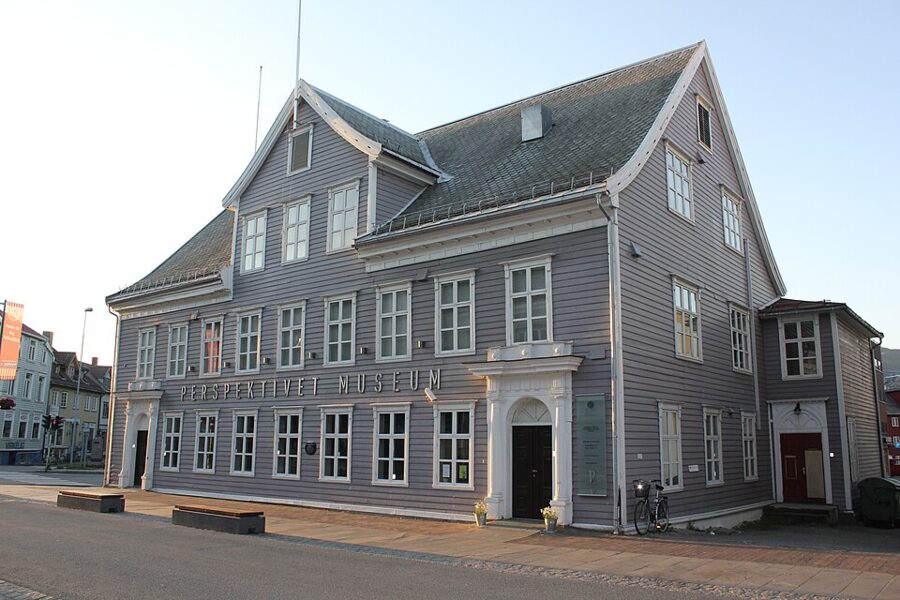

Perspektivet opens Tuesday to Friday 10:00–16:00 and weekends 11:00–17:00, and closes on Mondays. Adults pay NOK 95; under-18s go free.
Mack and Ølhallen
Ludwig Markus Mack founded his brewery in Tromsø in 1877, and it is still independent and family-owned. Brewing stayed in the centre for 135 years, until production moved to Nordkjosbotn, about 70 km away, in 2012. The old brewery quarter at Storgata 4 kept a beer shop, a microbrewery and Ølhallen, the town’s oldest pub, open since 1928.
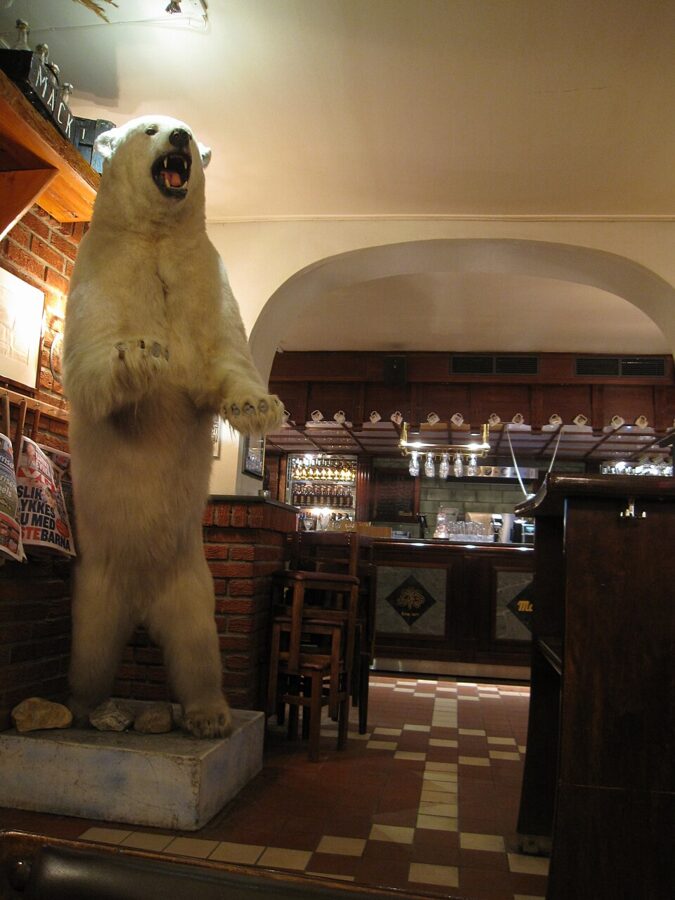

Mack’s brewery tour starts in the Kjeller 5 beer shop and goes down into the cellars of 1877. Drop-in tours run Monday to Friday at 15:30 and Saturday at 14:30, last an hour and cost NOK 250 with one taste. A five-beer tasting board runs on Thursdays and Saturdays, 17:00–21:00, for NOK 485.
Storgata, Skansen and the wooden town
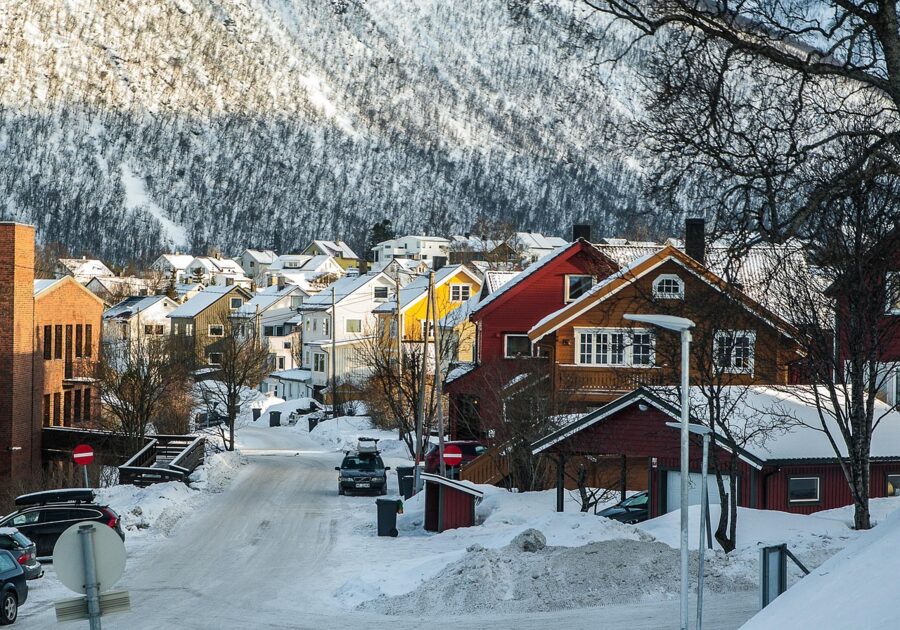
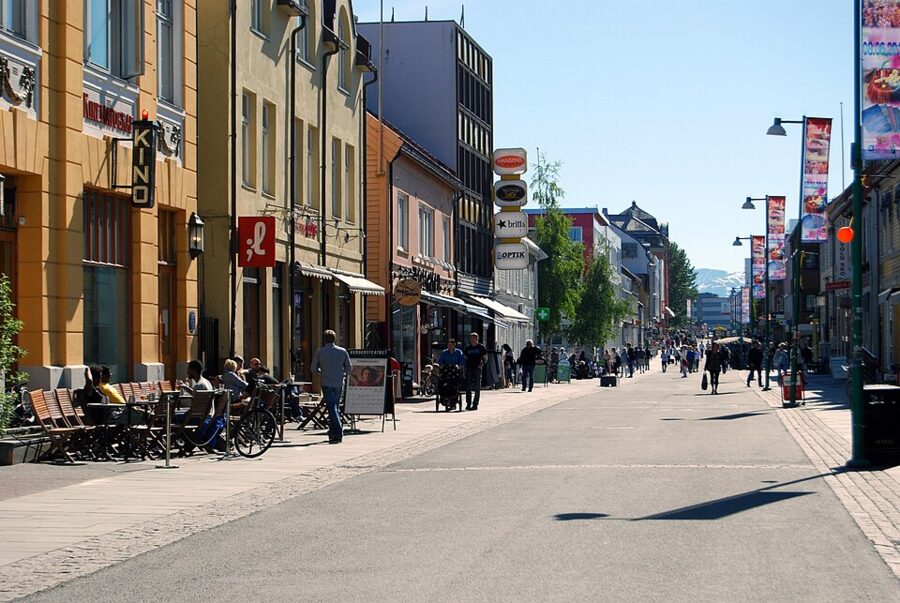
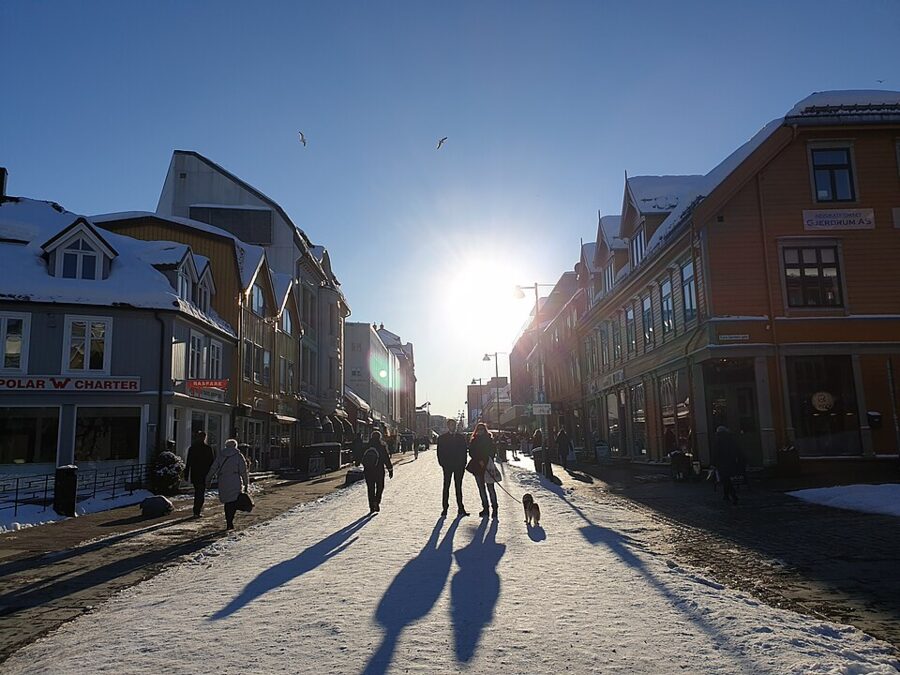
Storgata, the main street, runs the length of the centre parallel to the harbour, partly pedestrianised, with the tourist office at number 83. It was a back street until the 1800s; Sjøgata, nearer the water, was the main one. Walk both and the lanes between them for the wooden town: merchants’ houses, warehouses, painted villas and Tromsø Cathedral.
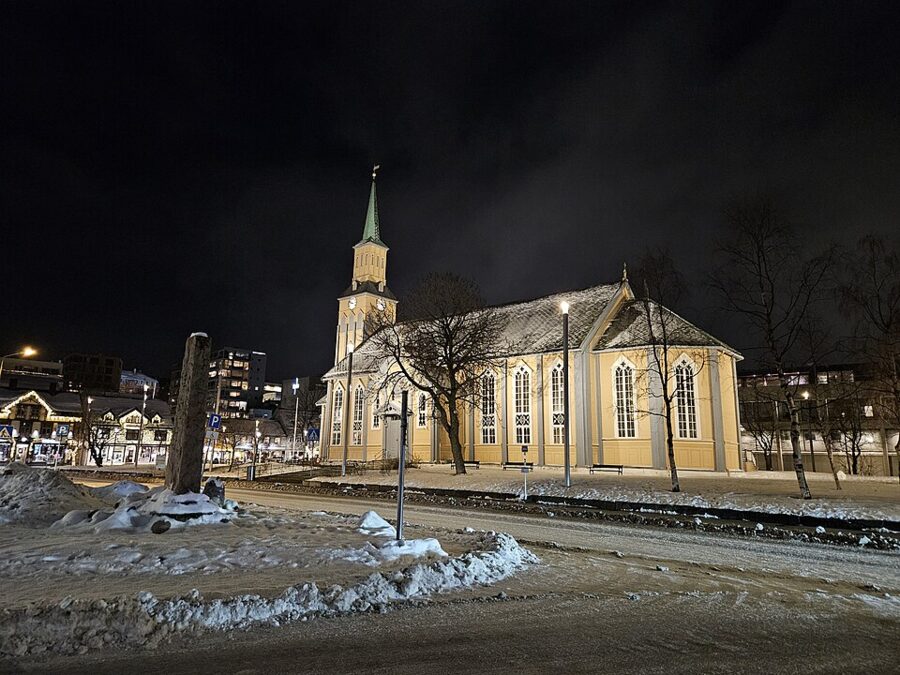

Visit Tromsø’s suggested walk starts behind the cathedral, follows the harbour north past the Polar Museum to Skansen, the oldest corner of town, and on to the Vervet waterfront, before doubling back along Storgata past Ølhallen to Polaria. It takes an hour without stops. Do it at noon in December, when the twilight is at its best.

The Arctic-Alpine Botanic Garden
The world’s northernmost botanic garden is a summer sight only: a garden of rock, with boulder beds planted with Arctic and alpine species from Svalbard to the Himalaya and Patagonia. The garden’s visitor page says it is open round the clock and free from May to October and closed from November to April. It is near the university at Breivika.
The Tromsø Pass
Visit Tromsø sells four versions of the Tromsø Pass, over the counter only. The Classic, NOK 1,351 for an adult in 2026, covers a Fjellheisen return, the Polar Museum, the university museum, Polaria, the science centre and the Arctic Cathedral. Bought separately, the cable car, the two museums, Polaria and the cathedral already come to NOK 1,390, so the Classic pays for itself if you would see those five anyway.
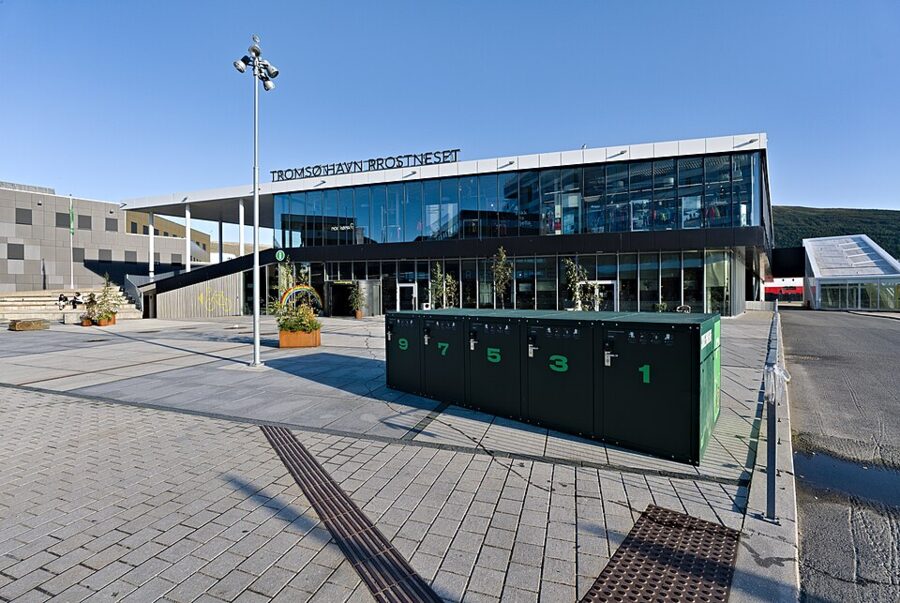
The main tourist office is at Storgata 83, open 09:00–17:00 on weekdays and 09:00–16:00 on Saturdays. There is a second desk upstairs in the Prostneset harbour terminal, and in winter a third at the Clarion Hotel The Edge.
The seasons
Tromsø changes every two months, driven by light more than temperature. The local word for the dark season is mørketid, the dark time.
The polar night: 27 November to 15 January
The Norwegian Meteorological Institute’s sun tables put the last sunrise of 2026 on 27 November, at 11:21, and the sunset twenty minutes later. On 21 December the centre of the sun is 3° below the horizon at noon: enough for a few hours of twilight, never for daylight. The sun returns on 15 January 2027, for 37 minutes, although Visit Tromsø’s winter page notes that the mountains hide it from the centre until later in the month.
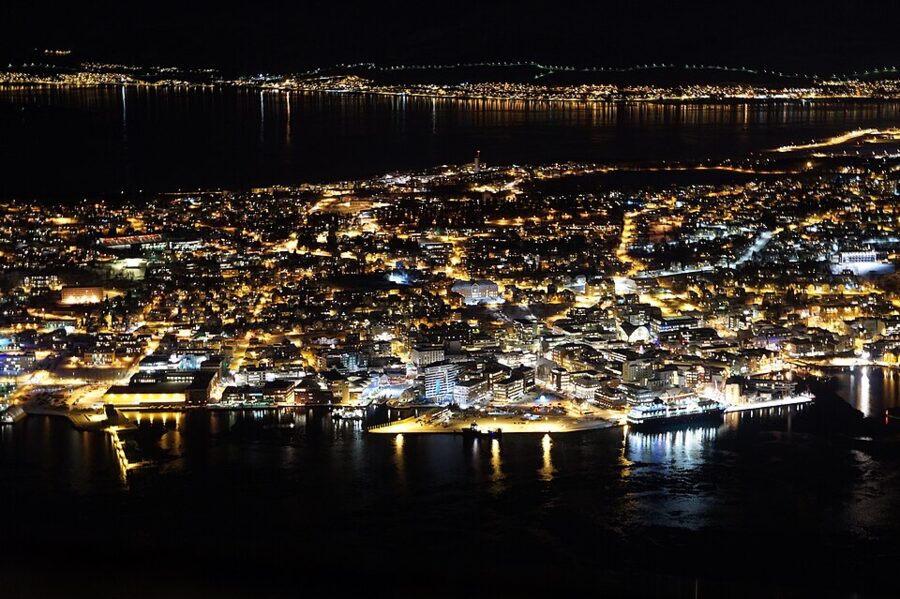

In practice: plan outdoor sightseeing between about 10:00 and 14:00 and do museums either side, and bring a head torch for any walk outside the centre. Do not underestimate the twilight. On clear December days the southern sky turns pink, then violet, then deep blue in a way no photograph quite catches, and plenty of locals rate it as highly as the aurora.
Northern lights, and how the tours work
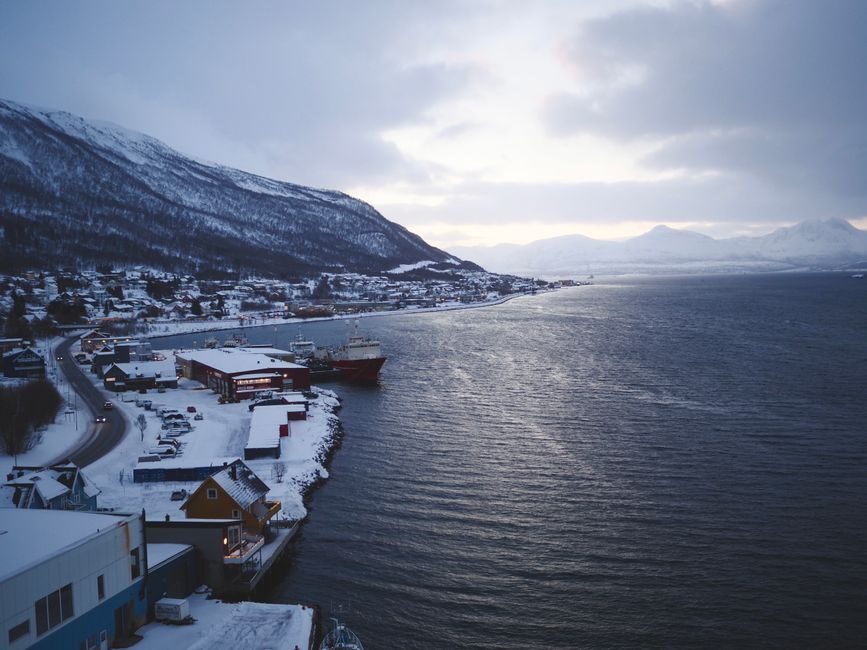
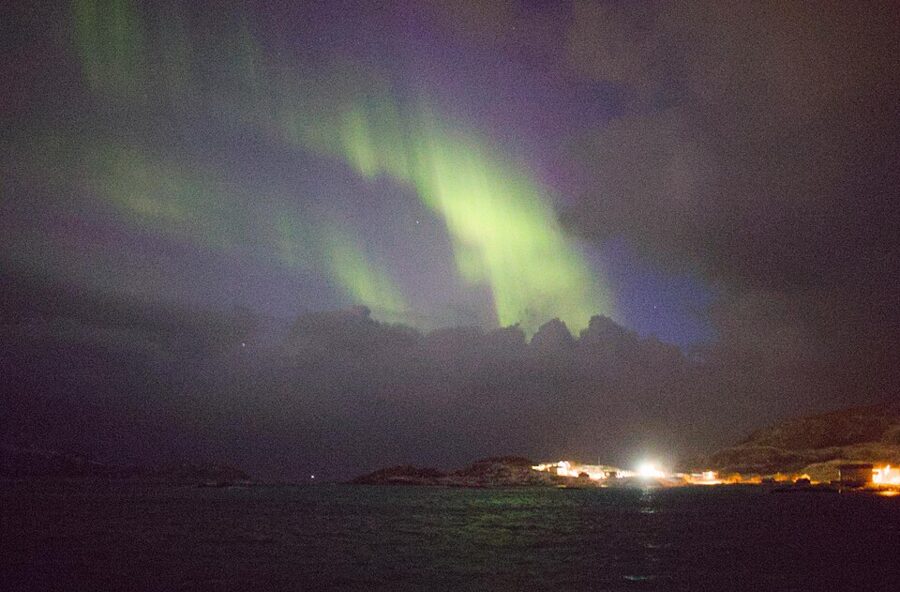
Tromsø sits under the auroral oval, the ring around the magnetic pole where the lights are most frequent, so most dark, clear nights have something to show. The season runs from late August to early April. Visit Tromsø’s page on when and where to see them says activity is often highest between about 20:00 and 02:00, and that solar-cycle peaks matter less directly under the oval than the headlines suggest. The decider is the cloud.
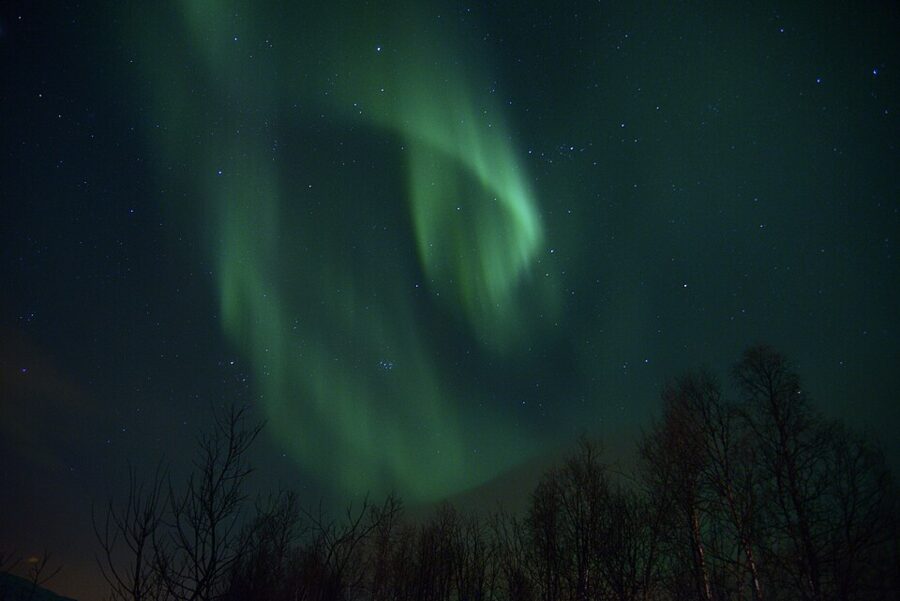

You can see the aurora from town, best from darker spots such as the lake at Prestvannet or from Storsteinen. But the coast is cloudy, and a guided chase is the reliable answer: the guide reads the forecasts, picks a direction and drives you there by car, minibus or bus. The tour listings are frank that on a bad night this can mean hours on the road, occasionally all the way to Finland, in search of a clear sky.
The other kind of tour is a fixed camp: a lavvu, a fire, food and perhaps dog sledding, with the aurora as a bonus. These suit families and anyone who does not want five hours in a minibus. Book ahead in the busy months and stay at least three nights, because every extra night improves the odds of activity and a hole in the cloud at the same time.
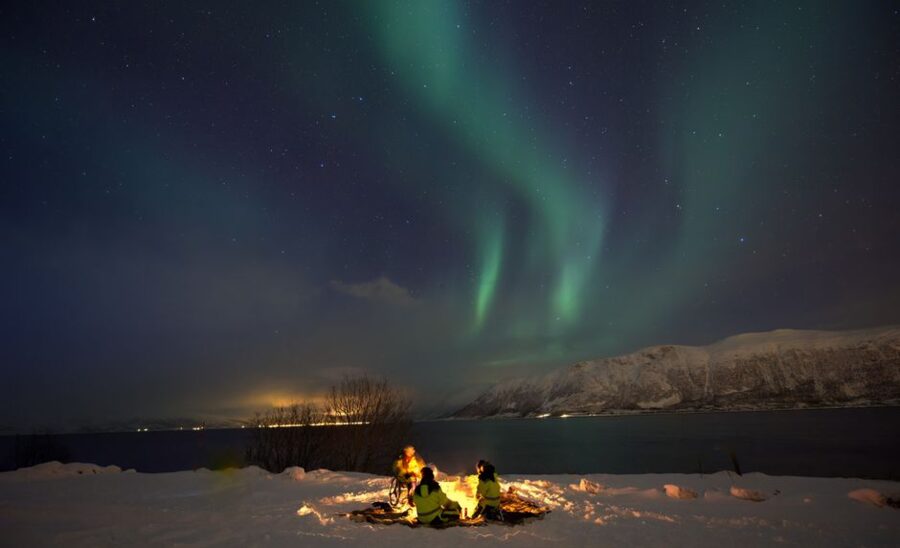
If you drive yourself, read the northern lights guidelines: wear something reflective, never stand in the road, do not stop on blind bends, and keep out of people’s gardens. Most local complaints about aurora tourism come down to those four things.
The sun comes back
From mid-January the days lengthen very fast: the 37 minutes of sun on 15 January become a full working day by early March. Late January to March is my pick for a first visit. The polar night is over, there is daylight for skiing and day trips, the snow is deepest, and the nights are still dark enough for the aurora.

The midnight sun: about 20 May to 22 July
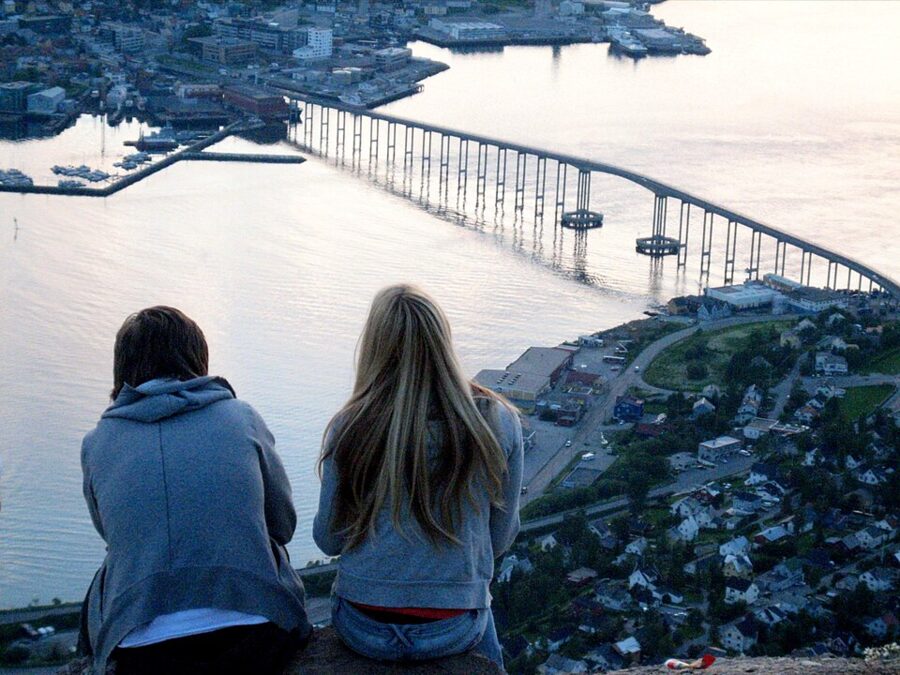
For two months the whole disc of the sun stays above the horizon around the clock; Visit Tromsø’s midnight sun page gives the season as roughly 20 May to 22 July. May and June can be wet and cold, July and August are usually milder, and the mountains are always colder than the town. Summer opens up the region: the islands, the white beaches, the hikes, kayaking at midnight.
Festivals and events in 2026–27
The calendar is fullest in the dark months, when the town has most reason to go out.
- Polar Night Marathon, 9 January 2027: marathon, half marathon and shorter races in the polar night.
- Tromsø International Film Festival (TIFF), 18–24 January 2027. The festival warns that January is one of the busiest months for accommodation. It opens with Brace Your Heart by the Sámi-Swedish director Amanda Kernell and marks 40 years since Pathfinder (Ofelaš), a landmark of Sámi film.
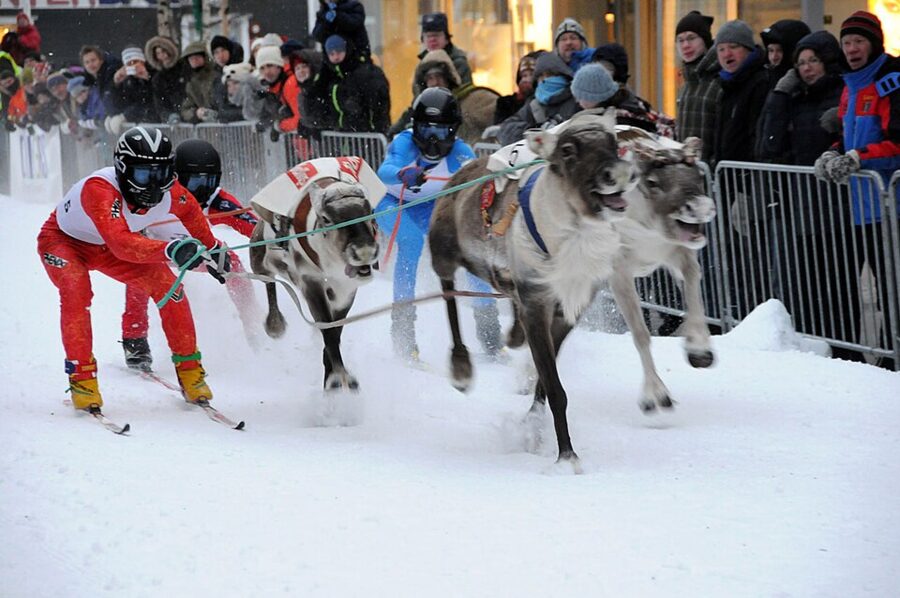
- Sámi Week, around Sámi National Day on 6 February, with reindeer racing in the town centre.
- Nordlysfestivalen, the Northern Lights Festival, 11–20 February 2027: classical and contemporary music at the core, and Tromsø’s oldest festival.
- Midnight Sun Marathon, 19 June 2027, run at night in daylight. It drew 9,000 runners from 97 countries in 2026, so book a bed early.
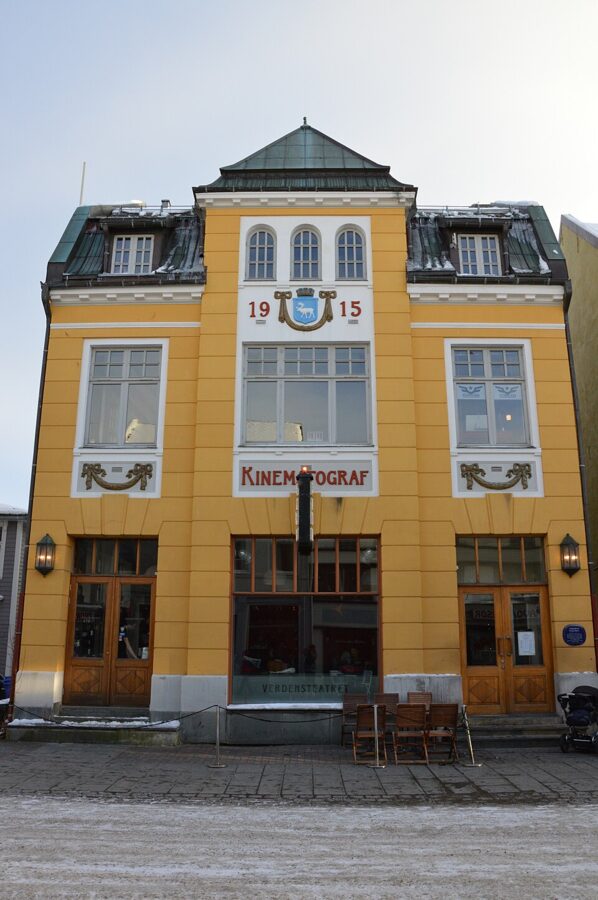

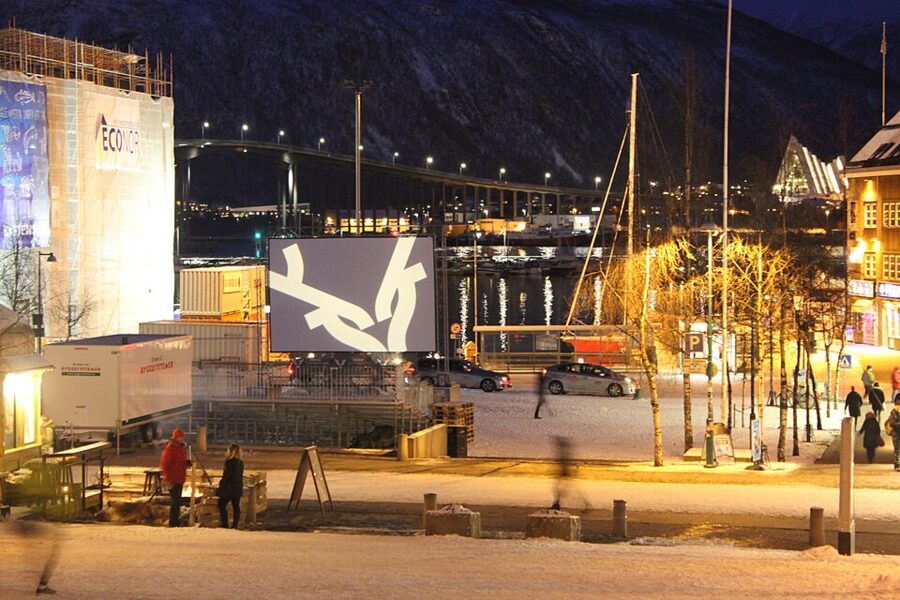

Day trips
The outer coast is within an hour of the town. In winter, though, the drives are slow and the daylight short, and many of these places are easier on a guided trip than in a hire car.
Kvaløya and Ersfjordbotn
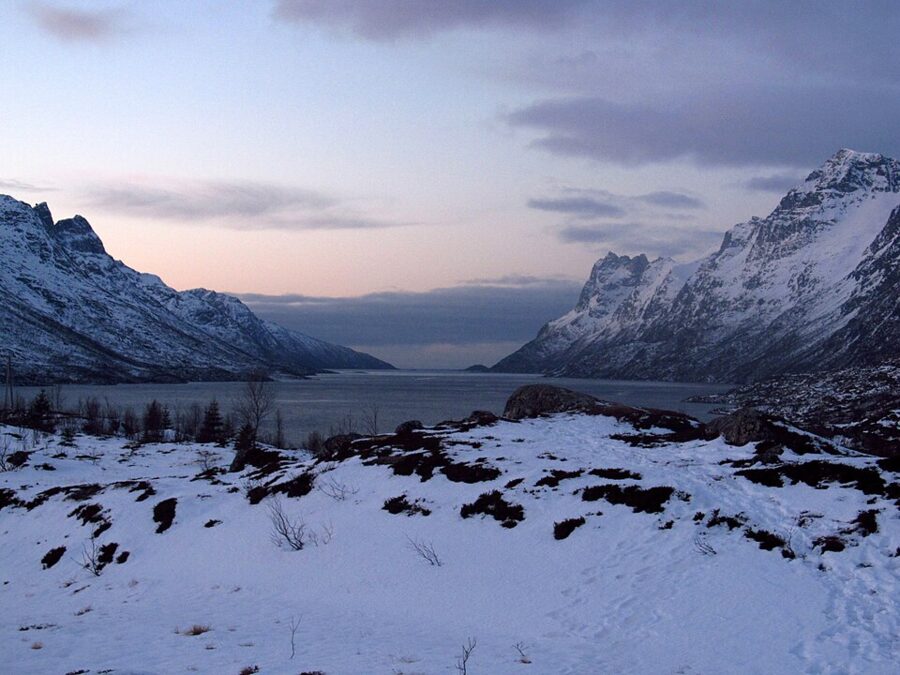
Kvaløya, the big mountainous island to the west, starts at the bridge by the airport. Its northern half is the classic short drive: across the island to Ersfjordbotn at the head of a steep, narrow fjord, and on towards the white beach at Grøtfjord. Svipper’s regional bus 425 runs from the Prostneset terminal to Ersfjordbotn, so this works without a car if you check the timetable first.

Sommarøy
Sommarøy is a fishing village on a cluster of islets off the south-west of Kvaløya, about an hour’s drive from town on county road 862, with white sand beaches and clear blue water. Visit Tromsø’s Kvaløya and Sommarøy page notes the name comes from its old use as a summer place. Bus 420 runs from Tromsø via Brensholmen.
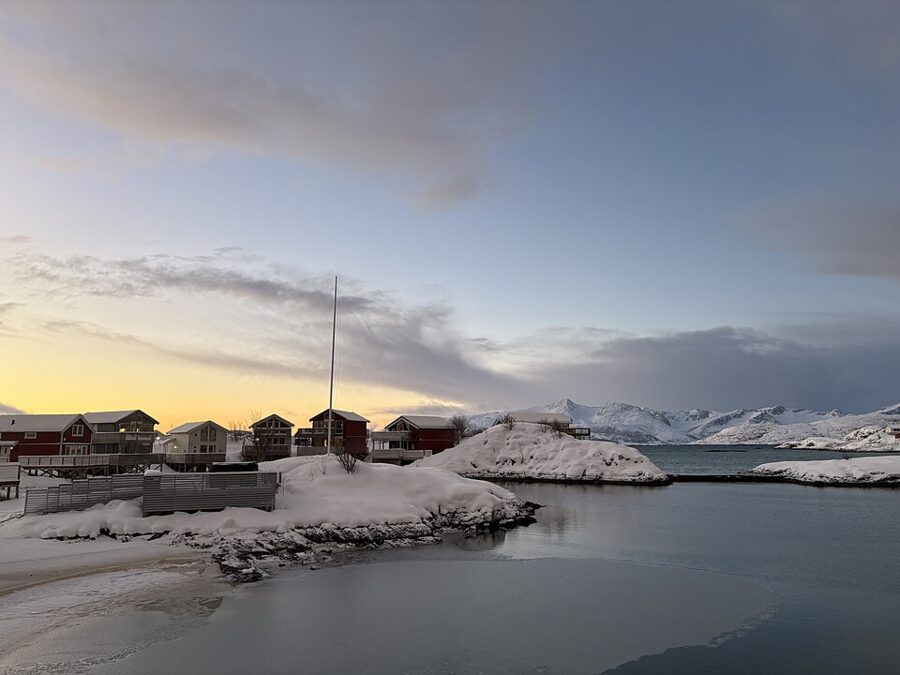

The drive is half the point, along the shore of Kvaløya past farms and bays; for summer swimming, Visit Tromsø singles out the beaches at Grøtfjord, Sandvika and Otervika. In winter the outer coast takes the weather first, so check the forecast and the road reports before setting out.

Senja
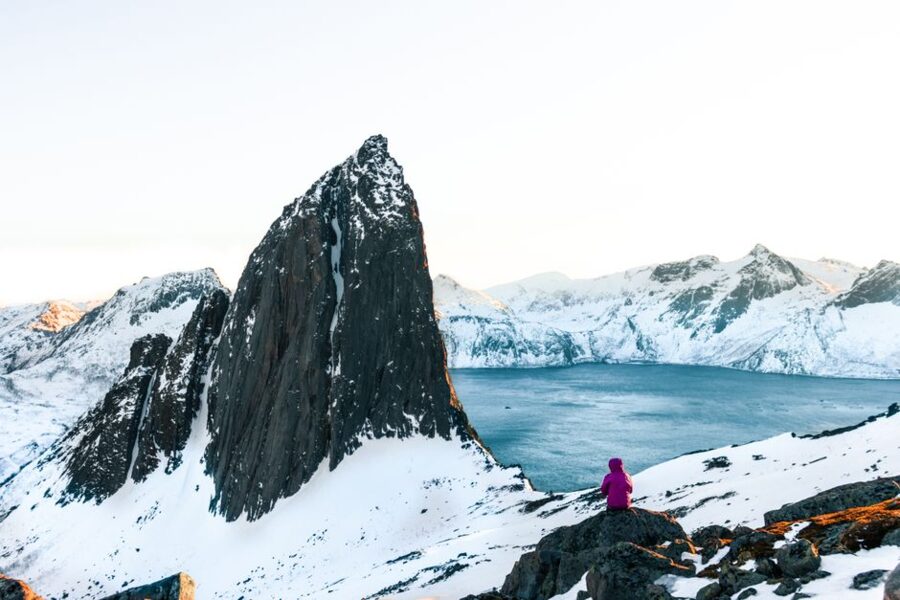
Norway’s second-largest island lies south-west of Tromsø, and its outer coast is the most dramatic scenery within reach: peaks such as Segla rising straight from the fjords, the viewing platform at Bergsbotn, the fishing village of Husøy. Visit Tromsø’s Senja page covers the National Tourist Route along the outer side. As a day trip it is long; I would give it a night.
Without a car, the express boat from Tromsø to Finnsnes, the town at the bridge to Senja, is the quickest public link. Senja is also a step on the way south to Lofoten, and the guide to getting from Tromsø to Lofoten compares the routes.

The Lyngen Alps
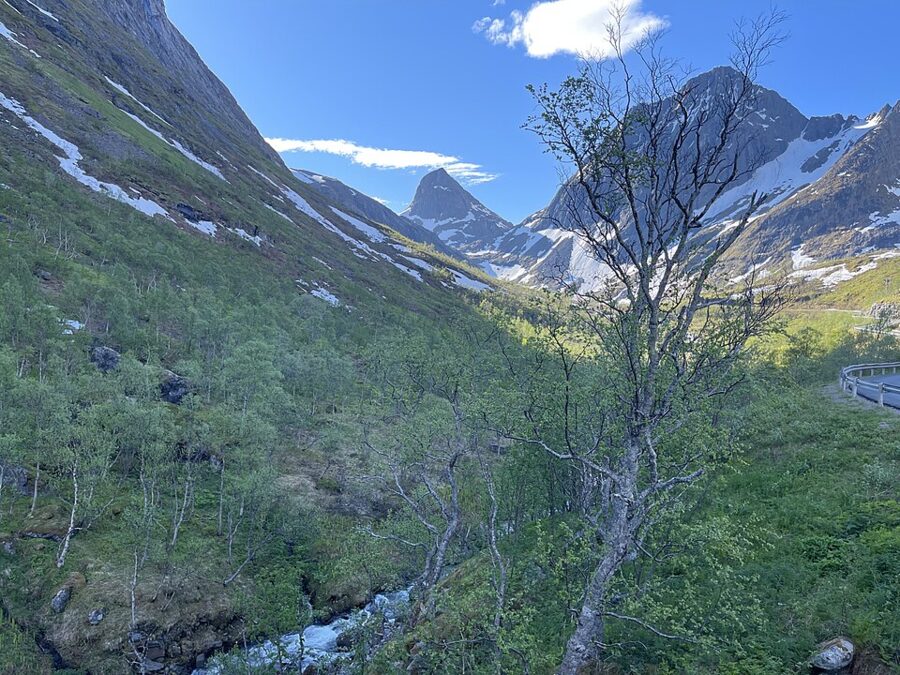
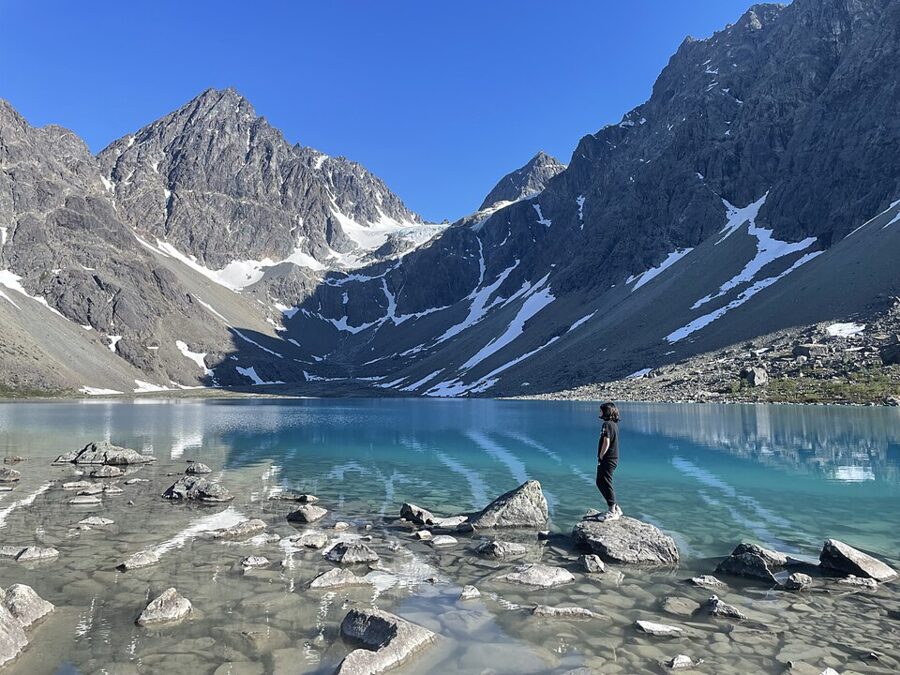
East of Tromsø, across Ullsfjorden, the Lyngen peninsula is a wall of glaciated peaks rising to 1,834 m at Jiehkkevárri, the highest mountain in Troms. In winter it is famous for ski touring; in summer for the walk to Blåisvatnet, the blue glacial lake. Visit Tromsø’s Lyngenfjord page is blunt that some hikes, Blåisvatnet among them, have no bus back in time for a day trip.
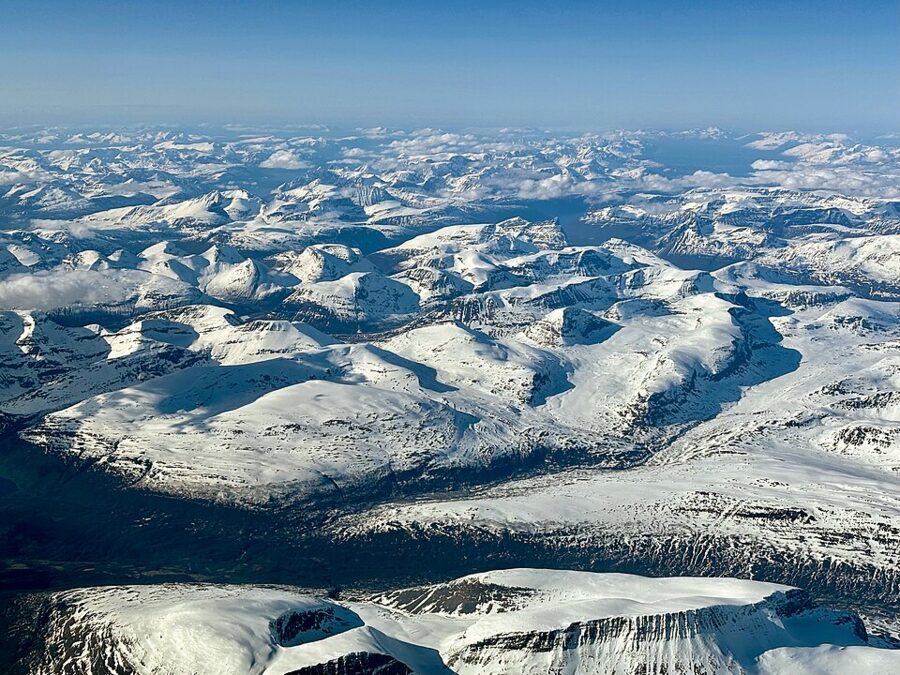

Without a car, Lyngen is best done with a guide: on skis or snowshoes in winter, on foot in summer. With a car, give it a full day and an early start.

Whales in winter
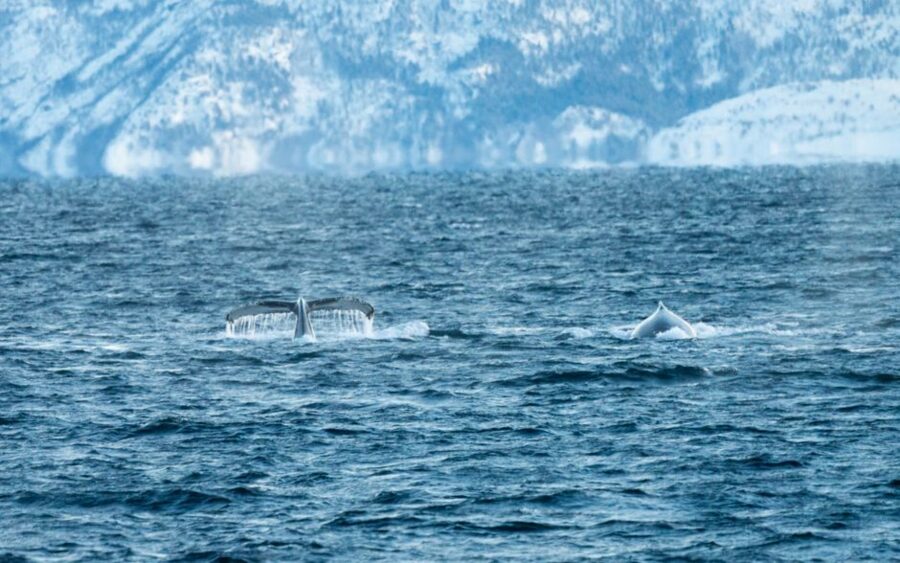
From early November to about the end of January, orcas and humpback whales follow the herring into the fjords north of Tromsø, in recent winters around Skjervøy and Kvænangen. Visit Tromsø’s whale-watching page lists full-day boats from Tromsø and bus-and-boat trips via Skjervøy, from about NOK 1,990 to NOK 2,090, and discourages getting in the water with the whales. Sightings are never guaranteed. Choose a boat by how close it goes to the whales and whether it leaves when others crowd in; Norway’s minke hunt is covered in the article on whaling in the Nordic countries.
Skibotn and the E8 to Finland
The longest classic drive heads south-east on the E8 to Nordkjosbotn, where Mack now brews, then follows the E6 along the head of the Lyngen fjord to Skibotn. From there the E8 climbs Skibotndalen to the border and the Finnish fell village of Kilpisjärvi, the base for a cabin holiday in Finnish Lapland.
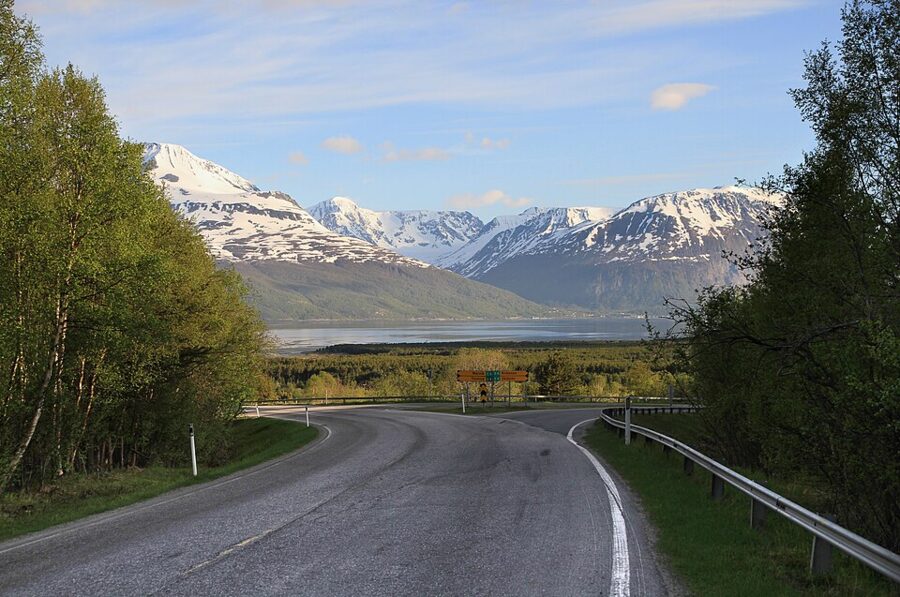

Without a car, the seasonal Arctic Route buses run between Tromsø and Finnish Lapland on dates that change through the year. With one in winter, it is a long day there and back; check the road reports before the climb, which crosses open fell.

Getting around
Central Tromsø is walkable, and for everything else there are buses. You need a car only for the outer coast, Senja or Lyngen, and in winter only if you are used to driving on ice.
Buses
Svipper, the Troms county network, runs the city and regional buses, which are cashless: tap a bank card on board or buy in the Svipper app. Svipper’s fares from 1 February 2026 are NOK 50 for an adult single in one zone, which covers the town, and NOK 30 off-peak in Tromsø, weekdays 09:00–14:00 and 17:00–01:00. A 24-hour ticket costs NOK 140 and seven days NOK 327.
The useful routes are 24 and 26 over the bridge to the Arctic Cathedral and Fjellheisen, 33, 34, 40 and 42 to Polaria, 40 to the university museum and 42 to the cruise port at Breivika. Since 20 November an extra route, 26B, has doubled up on the busy 26, 10:00–19:00 Monday to Saturday. Tromsø Bridge reopened to all traffic on 18 November 2026 after repairs and a wider walkway, so the walk to the cathedral is back.
Walking on ice
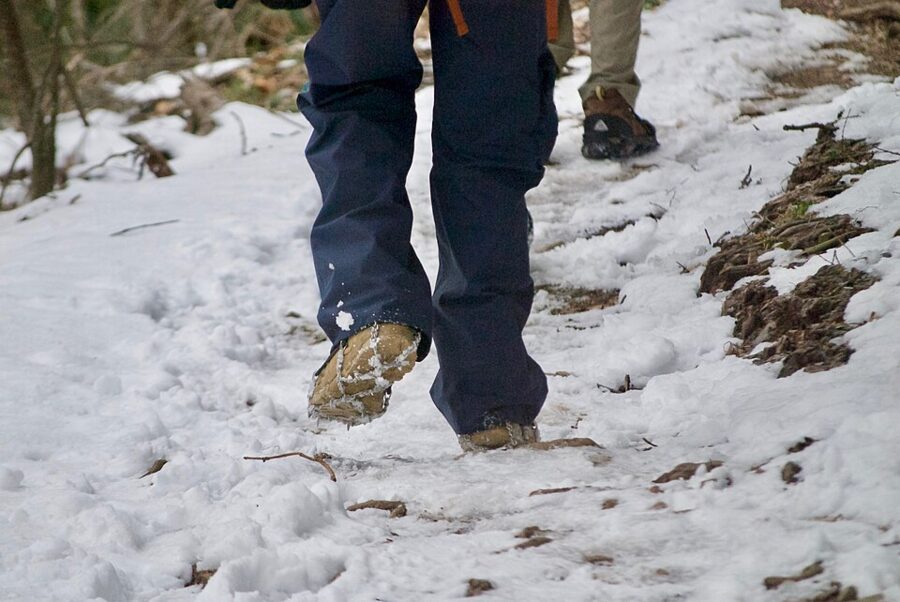
Tromsø’s streets are cleared and gritted, but between snowfalls they freeze, thaw and freeze again, and the steep side streets down to the harbour turn to polished ice. Locals wear brodder, ice spikes that stretch over your shoes; bring a pair or buy them on day one. Walk flat-footed and take the stairs slowly.

Taxis and cars
Taxis run round the clock from ranks at the airport, Prostneset, Stortorget and the hospital. Visit Tromsø’s taxi page says fares vary by company and time of day; ask for a fixed price before you set off.
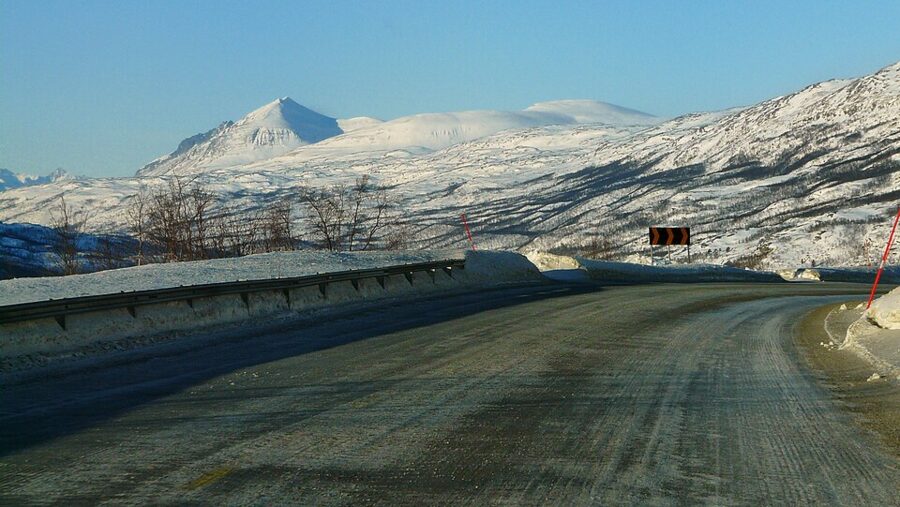
For the town you do not need a car. For the outer coast in summer, one makes Sommarøy, Senja and Lyngen easy. In winter, think twice: roads are narrow, icy and dark, reindeer and elk wander onto them, and Visit Tromsø’s page on driving conditions advises anyone unused to it to take a bus or a tour instead. In Troms, tyres need at least 3 mm of tread from 16 October to 30 April.
Getting here, in a line
Most people fly, via Oslo or direct from elsewhere in Europe in winter, and the Airport Express bus into town costs NOK 125 and takes about 20 minutes; the coastal ships, the night train to Narvik and the buses from Finland are all compared in the guide to getting to Tromsø.
Where to stay
The town has a good spread of hotels, but in February and around the film festival it fills up, and prices follow demand. Book early for any winter stay and look at the cancellation terms.
The centre
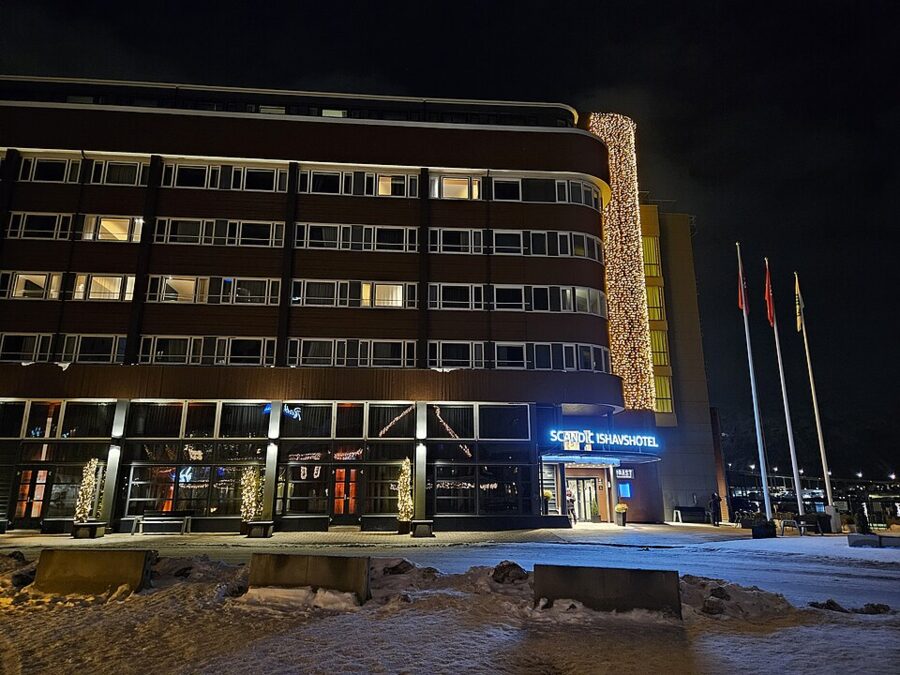
For a short winter stay without a car, stay in the centre: everything is walkable, the airport bus stops at several hotels, and the Fjellheisen shuttle starts here. Central hotels include the Clarion Hotel The Edge, home to the winter tourist desk, the Scandic Ishavshotel on the harbour, Thon Hotel Tromsø and the budget Smarthotel Tromsø.

Tromsdalen
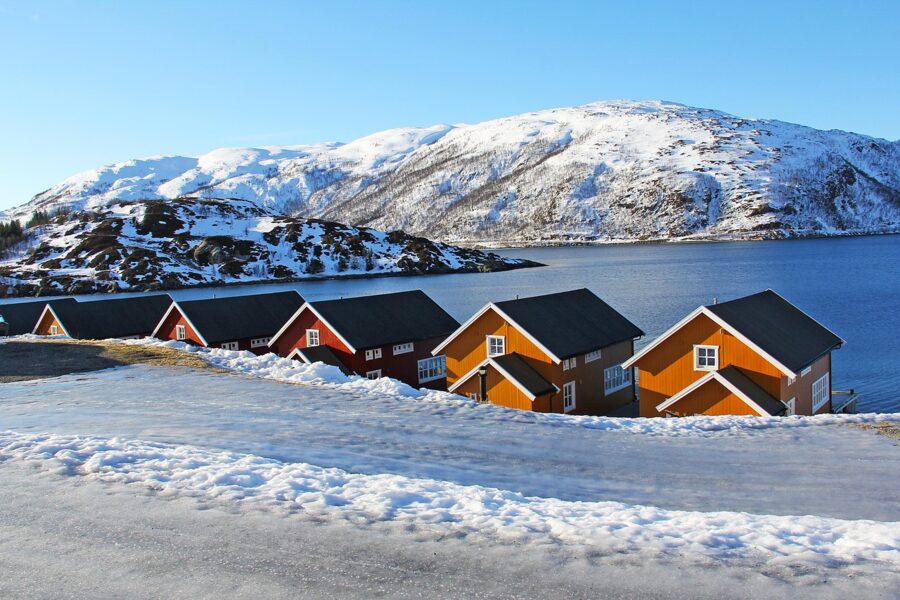
Across the bridge, Tromsdalen is quieter, close to the cathedral and the cable car, and darker at night. Tromsø Lodge & Camping has cabins from economy to deluxe as well as camper and tent pitches; buses 20 and 24 run there from the Havnegata stop by Stortorget. I would stay here with a car or in summer, and in the centre without one.
Kvaløya, Sommarøy and the cabins
For space and dark skies, rent a cabin on Kvaløya or further out; Visit Tromsø’s listings of cabins and holiday homes are the place to start. On Sommarøy, the Sommarøy Arctic Hotel has rooms, seaside cabins, a restaurant and its own boat and kayak trips. You will need a car, or patience with the bus timetable.
The visitor contribution from 2027
On 28 October 2026 the government approved Tromsø’s plan for a besøksbidrag, a visitor contribution, one of the first three in Norway. The ministry’s announcement lets the municipality start charging from 1 January 2027, at the national rate of 3% of the price of each stay under 30 days, in hotels, cabins and private lets alike. The money can only go on tourism-related costs such as toilets, parking and paths.
Food and drink
Northern Norwegian food is fish first, then reindeer, then whatever the short summer lets grow. Winter is the best season to eat here: skrei, the spawning cod that migrate down the coast from the Barents Sea, arrive in the new year, and with them mølje, poached cod with its liver and roe.
What to look for
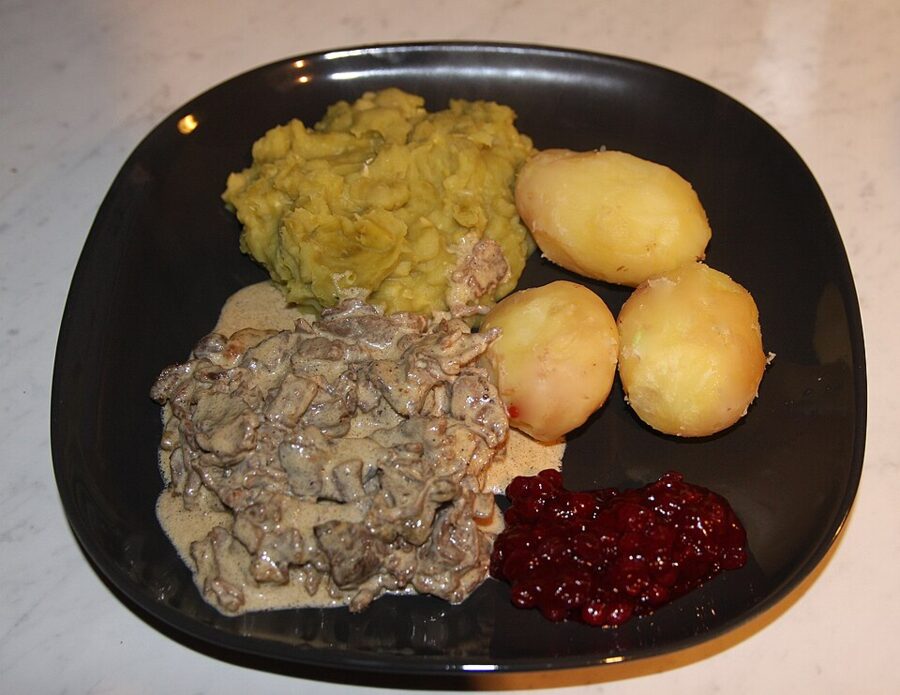
Reindeer. The everyday dish is finnbiff, shaved reindeer meat cooked in a cream sauce and served with mashed potatoes and lingonberries. The name refers to the Sámi, once called Finns in Norwegian.

Arctic char. Røye, the char of the northern lakes and rivers, is a cousin of salmon with paler, milder flesh. If you see it on a menu, order it.
Stockfish. Tørrfisk, cod dried hard in the wind on wooden racks from late winter into summer, built the trade of the whole coast and still goes to Italy by the tonne.
King crab, gravlaks and herring. Red king crab, a Russian import that has spread along the Finnmark coast, is the expensive treat; cured salmon and pickled herring are the everyday ones.
Where to eat and drink
Mathallen, at Grønnegata 60, cooks around Arctic produce. Lunch runs 11:00–15:00, when finnbiff of reindeer costs NOK 395 and the day’s catch NOK 425; in the evening there are four- and five-course menus at NOK 945 and NOK 1,075. It is a good first meal and a good place to learn what is in season.
Ølhallen is the pub to start in. Bardus Bistro is a northern take on the bistros of southern Europe, with its own cocktail bar. Hildr, at Skippergata 11, cooks international dishes with produce from the sea and shore around Tromsø. For breakfast and coffee, Risø has served the town from Strandgata 32 since 2013 and runs a sourdough bakery at Sjøgata 8.
What it costs
Norway is expensive and the far north is no cheaper. Rooms, alcohol and guided tours take the biggest bites; museums and buses are reasonable. These are adult prices for 2026–27 from the operators’ own pages.
| Item | Price |
|---|---|
| Bus, single within Tromsø | NOK 50 (NOK 30 off-peak) |
| Bus, 24 hours | NOK 140 |
| Airport Express, one way | NOK 125 |
| Fjellheisen, return | NOK 645 |
| Arctic Cathedral | NOK 90 |
| Polaria | NOK 395 |
| Polar Museum or Arctic University Museum | NOK 130 each |
| Perspektivet Museum | NOK 95 |
| Mack brewery tour | NOK 250 |
| Tromsø Pass Classic | NOK 1,351 |
| Reindeer finnbiff at lunch, Mathallen | NOK 395 |
| Four-course dinner, Mathallen | NOK 945 |
| Whale-watching day trip | From about NOK 1,990 |
Seeing the town itself is affordable: walk, use the off-peak bus fare, pick two or three museums. The big costs are the room and the guided trips; one aurora tour and one whale or dog-sled day will cost more than everything else together. Eat out at lunch rather than dinner, buy breakfast in a supermarket, and remember that wine and spirits are sold only in the state Vinmonopolet shops.
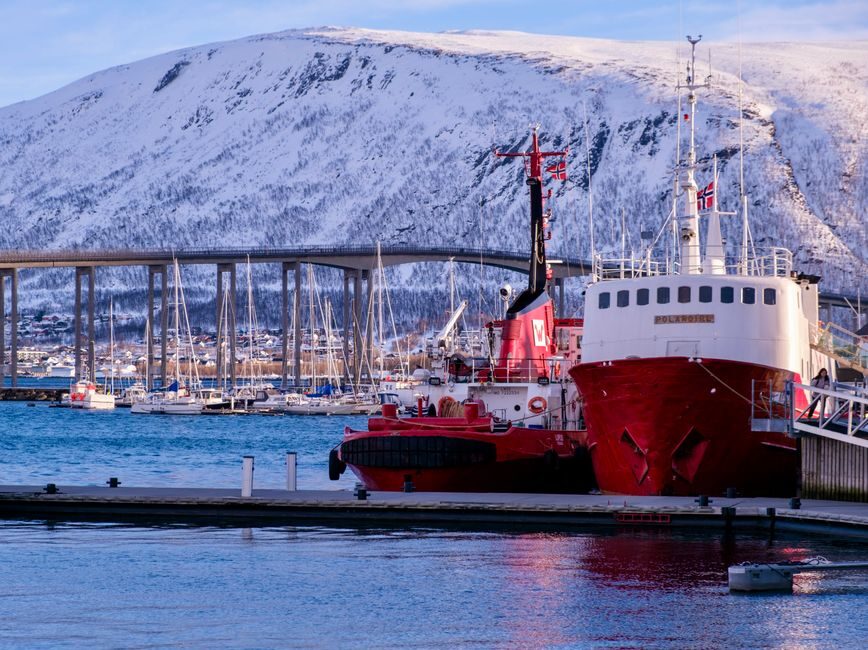
Come back to the twenty minutes of sun on 27 November. You will not see them from town, because the mountains to the south are in the way. But at about 11:30 on any clear day that week, walk out onto the bridge and look south down the sound, where the sky behind the peaks goes gold and then pink. Then take bus 26 back to the harbour for lunch at Mathallen, and go up Fjellheisen after dark.