

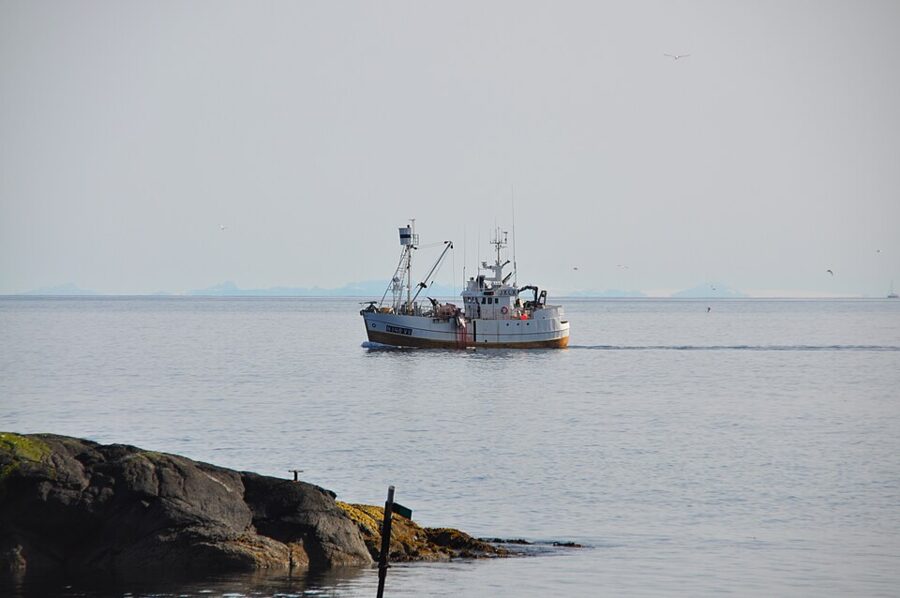

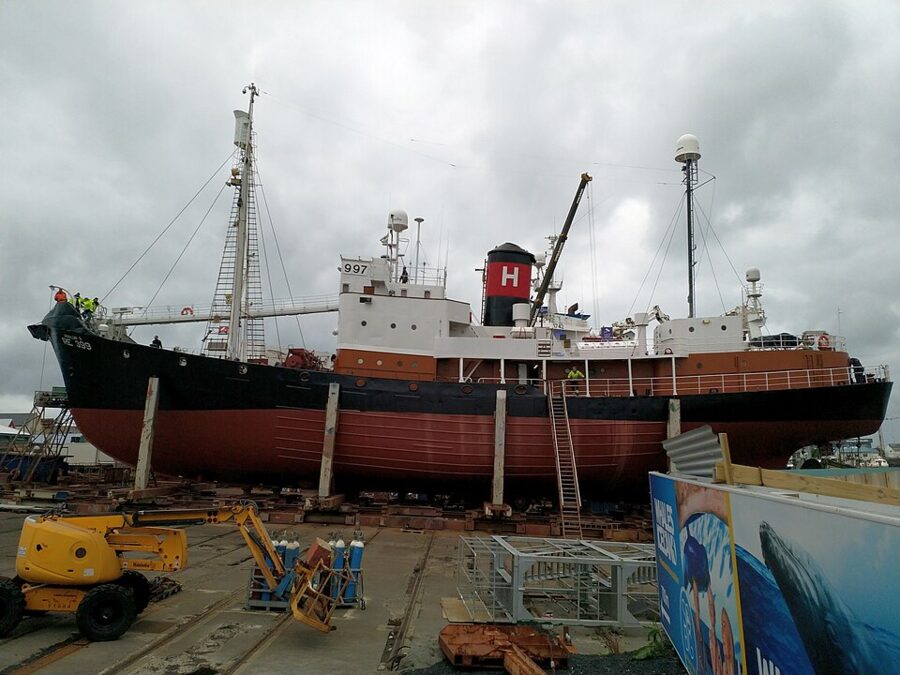
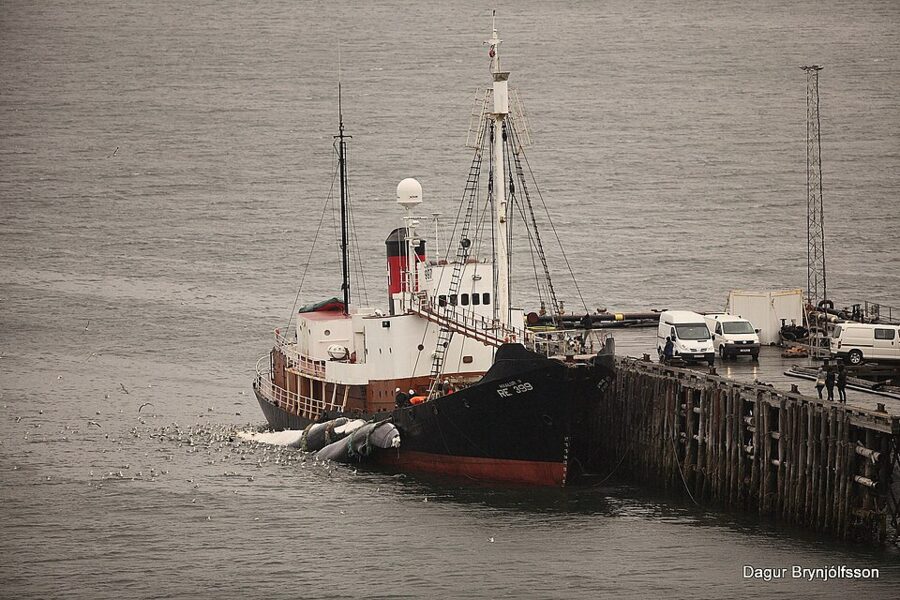
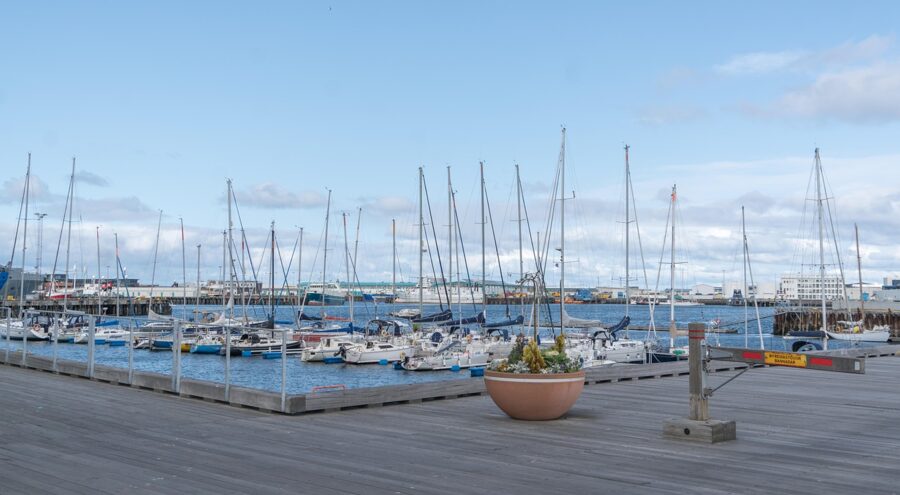
This winter the two grey whale catchers Hvalur 8 and Hvalur 9 are tied up at Ægisgarður in Reykjavík’s Old Harbour, on the same quay where the whale-watching boats sell their morning trips. They came in from Hvalfjörður in late September 2026 after a season of 93 fin whales. Iceland’s government says a bill to end commercial whaling will go to parliament in February 2027, and the man who owns both boats says he will take the state to court if it passes.

Norway gave its own whalers a quota of 1,641 minke whales for 2026. Ten boats had permission to hunt, and they had taken 418 by the time the season was stopped on 8 September. Nobody in government in Oslo is proposing to end it.
In the Faroe Islands, 868 long-finned pilot whales were driven onto beaches and killed in 2025, and the meat was handed out free. In Greenland, hunters with occupational licences work to strike limits set by the International Whaling Commission (IWC) and sell part of what they land at open-air markets, where people queue for it.

These four hunts get filed together as “Nordic whaling”, and almost nothing about them matches: not the species, the law, the money or who eats the meat.
Contents 8 parts
The numbers for 2025 and 2026
Quotas make headlines; catches tell you what happened. The gap between the two is wide in Norway and Iceland, narrow in Greenland, and in the Faroes there is no pilot whale quota at all.
| Where | Species | Limit | Latest catch | Who sets the limit |
|---|---|---|---|---|
| Norway | Minke whale | 1,641 (2026) | 418 in 2026; 429 in 2025 | Norway’s fisheries ministry, under its objection to the IWC moratorium |
| Iceland | Fin whale | 150 advised for 2026 | 93 in 2026; none in 2024 or 2025 | Iceland’s Marine and Freshwater Research Institute advises; the ministry licenses |
| Iceland | Minke whale | 134 advised for 2026 | None reported since minke hunting stopped | As above |
| Faroe Islands | Long-finned pilot whale | None | 868 in 2025 (9 hunts); 413 in 2024 | No numerical limit; the hunt is regulated by method and place |
| Faroe Islands | Atlantic white-sided dolphin | 500 a year, set provisionally for 2022 and 2023 | 50 in 2025; 150 in 2024 | Faroese fisheries ministry |
| Greenland | Minke, fin, humpback, bowhead | Yearly strikes 2026 to 2031: 164 minke (west), 20 minke (east), 19 fin, 10 humpback, 2 bowhead | No overrun in 2013 to 2025 | The IWC, as aboriginal subsistence whaling |
The Norwegian figures come from the 2026 minke whale regulation and Norges Råfisklag’s weekly counts, which NRK posts in its running whaling feed. Faroese catches are from Statistics Faroe Islands, which publishes hunt totals back to 1951. Greenland’s limits are the IWC catch limits in force, agreed for the 2026 to 2031 block.
Norway: the coastal minke hunt
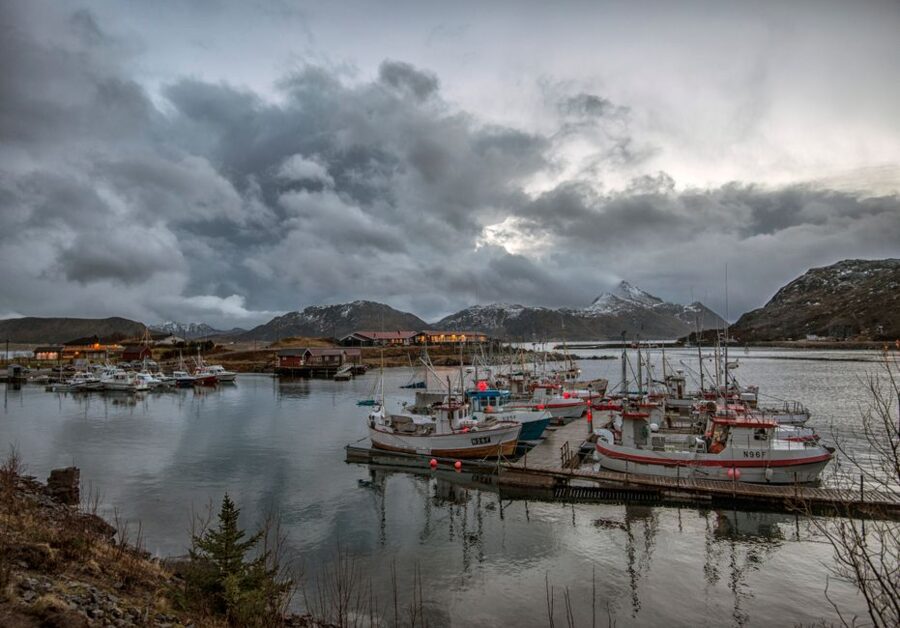
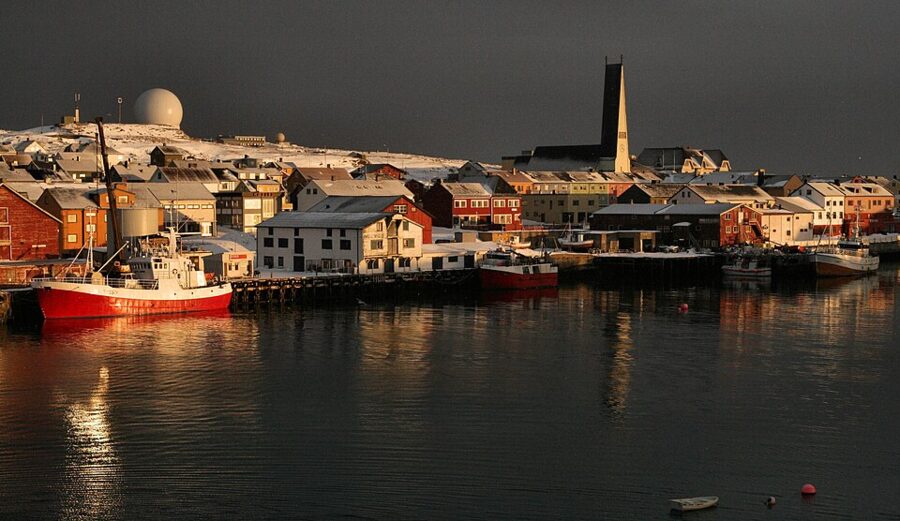
Norwegian whaling today is a sideline for a handful of fishing families in the north and west. Ten vessels took part in 2025; in 2003, by the Animal Welfare Institute’s count, 35 were registered. The boats run from small 50-foot fishing boats to medium vessels of 60 to 120 feet, and between whale seasons they fish.
Season, grounds and method
The season opens on 1 April and the Directorate of Fisheries (Fiskeridirektoratet) closes it when it sees fit, usually in September. The 2026 regulation allows hunting in Norway’s economic zone, its territorial waters, the fisheries zones around Svalbard and Jan Mayen, and international waters in four IWC management areas: 1,388 animals in the Barents Sea and Norwegian Sea areas and 253 in the Central North Atlantic area around Jan Mayen.

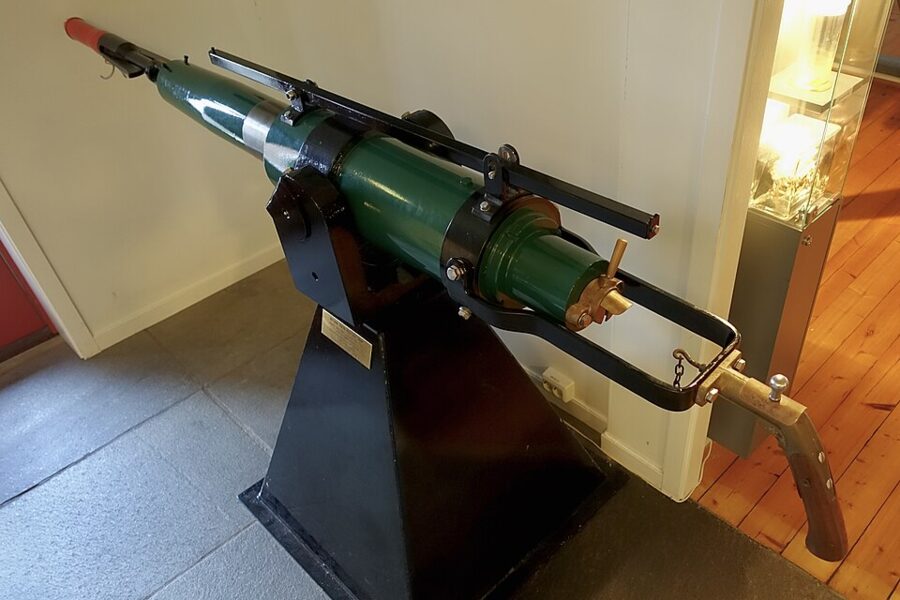
The weapon is a harpoon cannon firing a penthrite grenade, with a heavy rifle as backup when a whale is not killed at once. Catches are logged through electronic reporting, and the Directorate may order an inspector or observer on board, but most boats hunt without one. That last point is the one campaigners raise most often.

The 2026 season went fast in spring and then slowed: 45 whales by mid-April, 297 by the third week of June, 418 by early September. Hunters told NRK in summer that the whales were “very thin”. Shifting prey in warmer seas is the usual suspect, but nobody has yet published a firm answer.
Why Norway is allowed
When the IWC voted in 1982 for a pause on commercial whaling from the 1985-86 season, Norway lodged a formal objection, which under the 1946 convention means it is not bound. It stopped commercial catches for a few years, took minke whales under scientific permits, and in 1993 went back to openly commercial whaling, which it has continued every year since.
Norway sets its own quota. The government says it uses a model built on the IWC Scientific Committee’s work and that the North Atlantic holds well over 100,000 minke whales. The jump to 1,641 in 2026, it said, came from unused quota carried over from earlier years. Whale and Dolphin Conservation (WDC) and other critics answer that Norway’s method allows more kills than many IWC scientists consider safe, and that a quota four times the catch is a political number rather than a biological one.

Where the meat goes
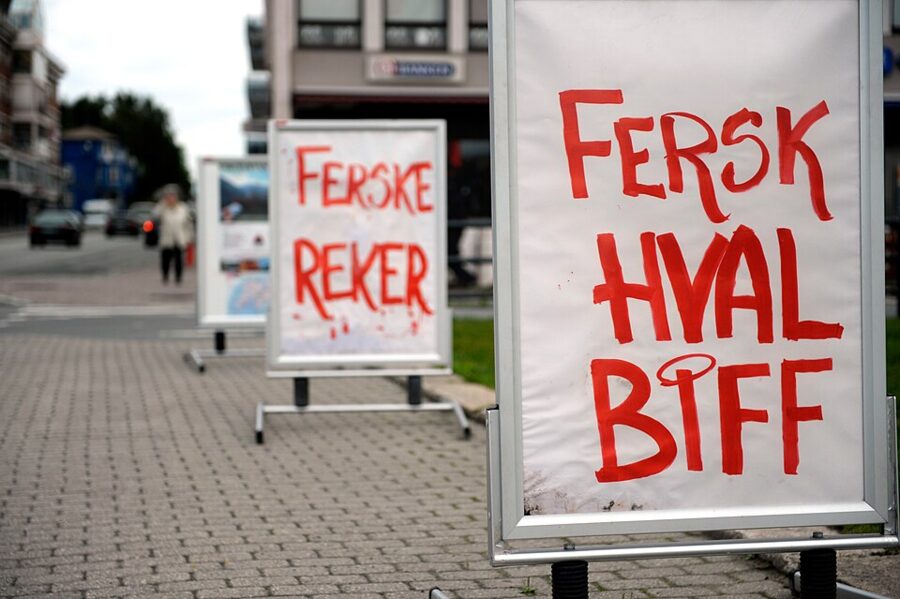
The domestic market is small and old. A 2021 poll commissioned by NOAH, the Norwegian animal-rights group, with WDC and the Animal Welfare Institute, found 2 per cent of Norwegians ate whale meat regularly, and nobody under 35 said they ate it often. Norsk Hval, which promotes whale as food, has spent recent summers at food events trying to change that with new recipes.
Roughly a third of the meat goes to Japan, by the reckoning of the reporters and campaign groups who follow the trade. A growing share ends up as dog food: Myklebust Hvalprodukter sells raw and freeze-dried whale for dogs and supplies sled-dog kennels. In 2022 Finnish customs stopped about 36,000 kg of Norwegian whale sausage meant for sled dogs, since Finland bans all imports of whale products.
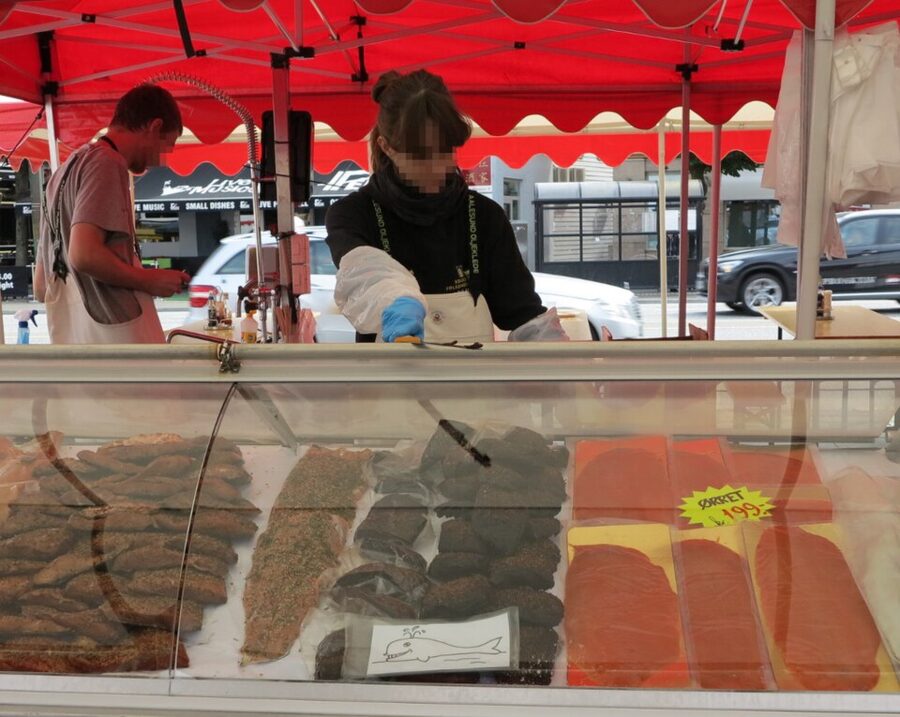

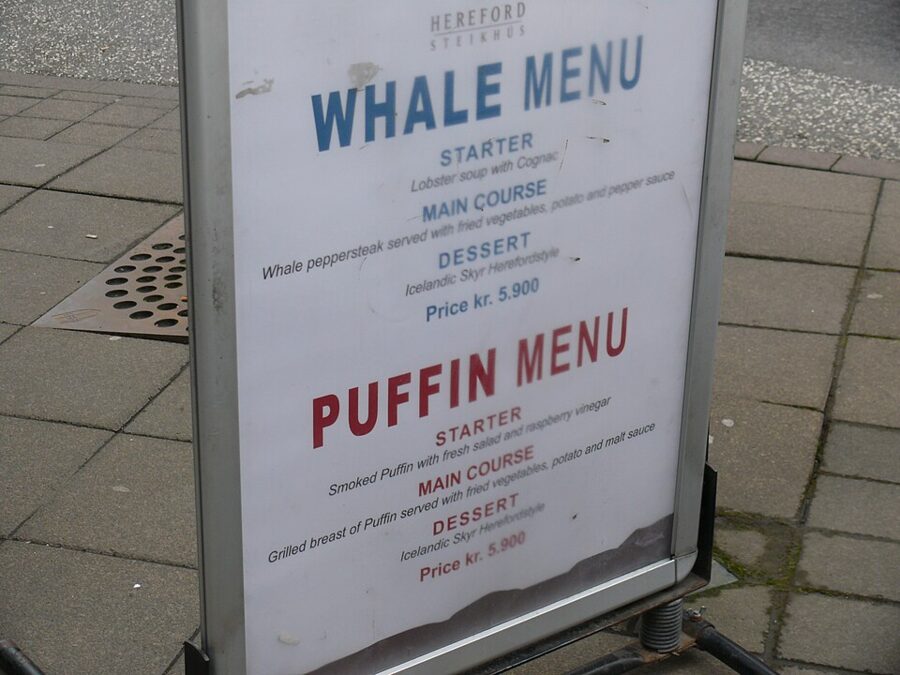
The tourist market is the part you will see. Whale steak is on menus in Lofoten, Tromsø and Bergen; whale burgers and smoked whale turn up at markets, and campaigners say cruise passengers are a prime audience. WDC argues the industry would have withered by now without state support and that visitors who eat whale help keep it alive. The ministry’s line is that Norwegian whaling is legal, sustainable and well regulated, and that whale is healthy, locally sourced food; whalers add that it has a far smaller footprint than beef.
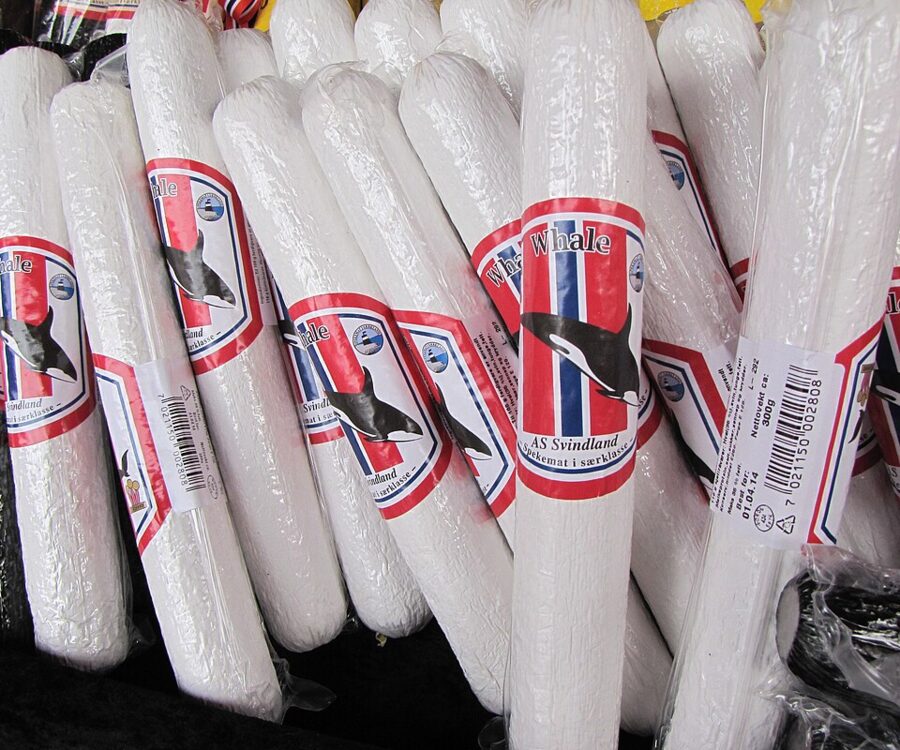

Norwegian politics shows no sign of moving the other way. In October 2026 the mayor of Måsøy in Finnmark suggested reopening hunts on larger species such as humpbacks, which gather in winter with the herring and the orcas. The fisheries minister replied that any such decision would have to rest on knowledge and sustainability, and noted that there is currently no market for the meat.
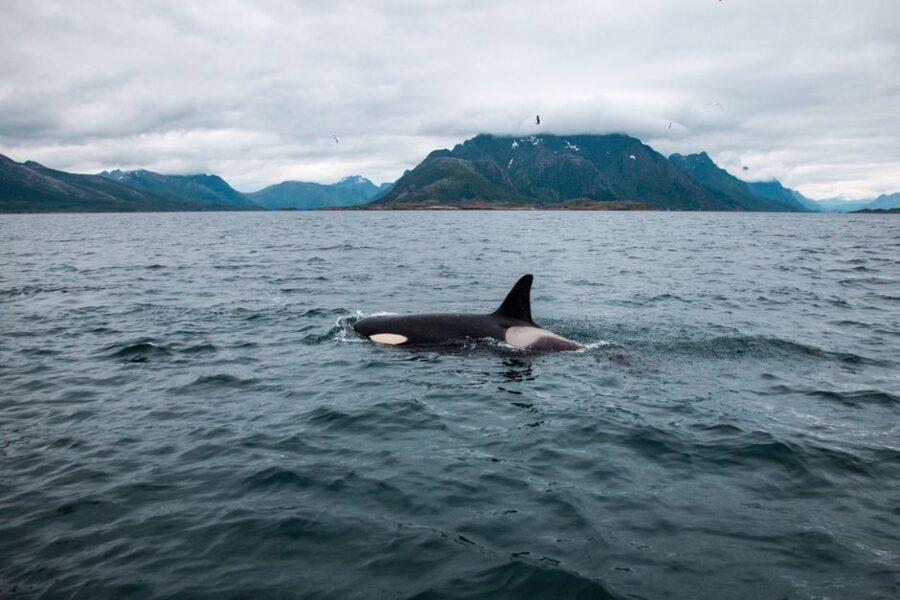
Iceland: one company, one species
Icelandic whaling in 2026 means one firm, Hvalur hf., run by Kristján Loftsson, hunting fin whales, the second-largest animal on earth, from a shore station in Hvalfjörður, an hour’s drive north of Reykjavík. The company has operated since 1948. Most of its meat has always gone to Japan.

The licence fights, 2023 to 2026
In June 2023, a day before the season, the food minister Svandís Svavarsdóttir suspended fin whaling after a report from the food and veterinary authority, Matvælastofnun (MAST), on how long whales took to die. The Parliamentary Ombudsman later found the suspension lacked a proper legal basis, and Hvalur took 24 whales once it was lifted at the end of August.
In 2024 the permit came on 11 June, for 128 fin whales, too late for the company to fit out its boats, and nothing was caught. In December 2024 the caretaker minister Bjarni Benediktsson issued five-year licences running to 2029. In spring 2025 Kristján said whaling would not pay that summer, and again no whale was taken.
Then, in June 2026, the boats went out. The Marine and Freshwater Research Institute (Hafrannsóknastofnun) had cut its advice to 150 fin whales, a 20 per cent cut made as a precaution because its 2024 survey results had not yet been approved within the North Atlantic Marine Mammal Commission (NAMMCO). Hvalur stopped at 93 whales after 94 days; weather kept the boats in Hvalfjörður for about 25 of them, and the company called the end of the 2026 season early ahead of a bad forecast.
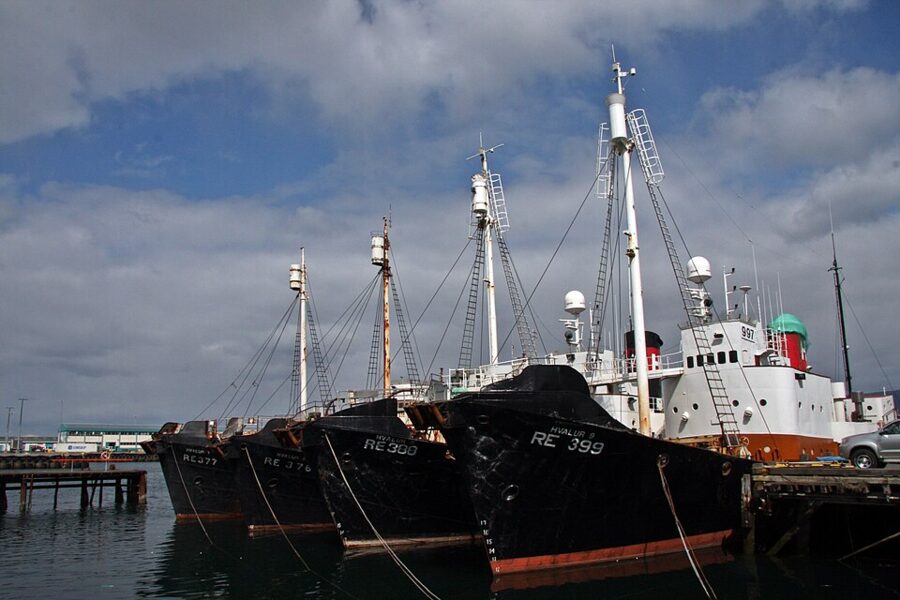

The summer was not quiet. Paul Watson’s organisation sailed its ship Bandero into Icelandic waters to stop the hunt; the authorities seized it in July after it entered the 12-mile limit without permission, and the crew were expelled and banned from returning. MAST’s own monitoring recorded one fin whale that took 31 minutes and four harpoons to die. Afterwards, the agency said it would stop recording the exact location of hunts.
The Minister of Industries, Hanna Katrín Friðriksson, says a bill amending the Whaling Act will come in February 2027. Because the current licences run to 2029, she has said the bill must take account of the employment rights of people who work for Hvalur. Kristján has said he will sue.
The end of minke whaling
Iceland once had a second hunt: small boats taking minke whales for the home market, much of it sold to tourists in Reykjavík restaurants. The last company doing it gave up in 2020. The institute still advises a minke figure (134 for 2026, cut from 168), but no minke whale has been reported caught in any of the past three seasons.

What Icelanders think
Opinion has moved, but not as far as visitors often assume. In the latest Maskína poll for the Iceland Nature Conservation Association, taken in spring 2026 from 1,018 people, 41 per cent opposed fin whaling, 33 per cent supported it and 26 per cent had no view. Only 21 per cent of 18 to 29-year-olds backed it, against 45 per cent of those over 60. Half of women were against; among men, opposition stood at 32 per cent.
The Faroe Islands: the grind
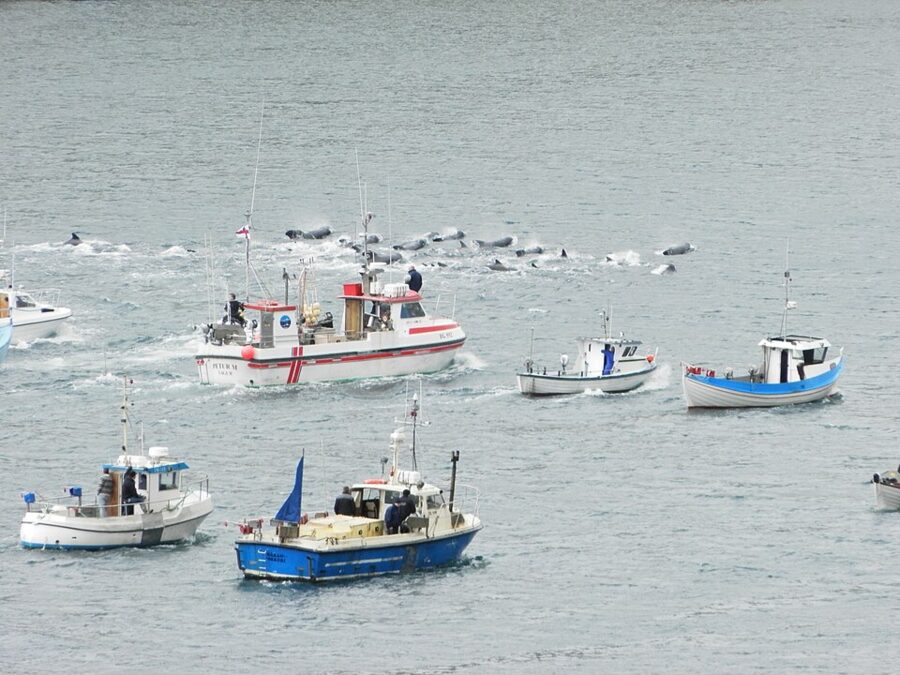
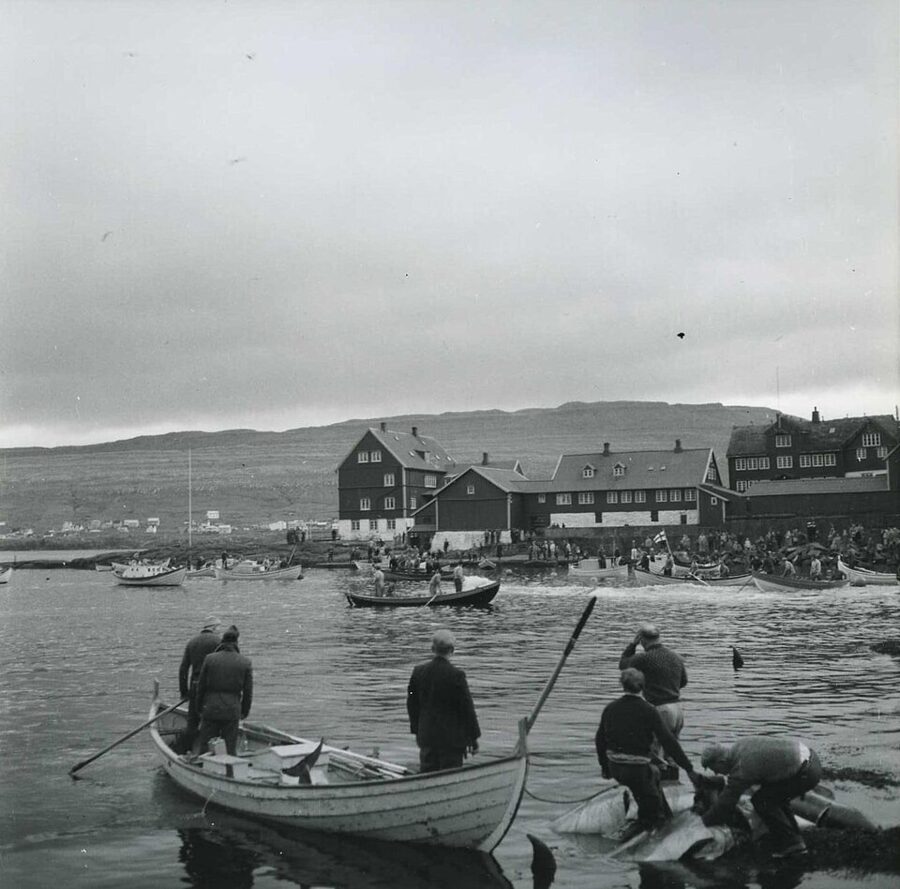
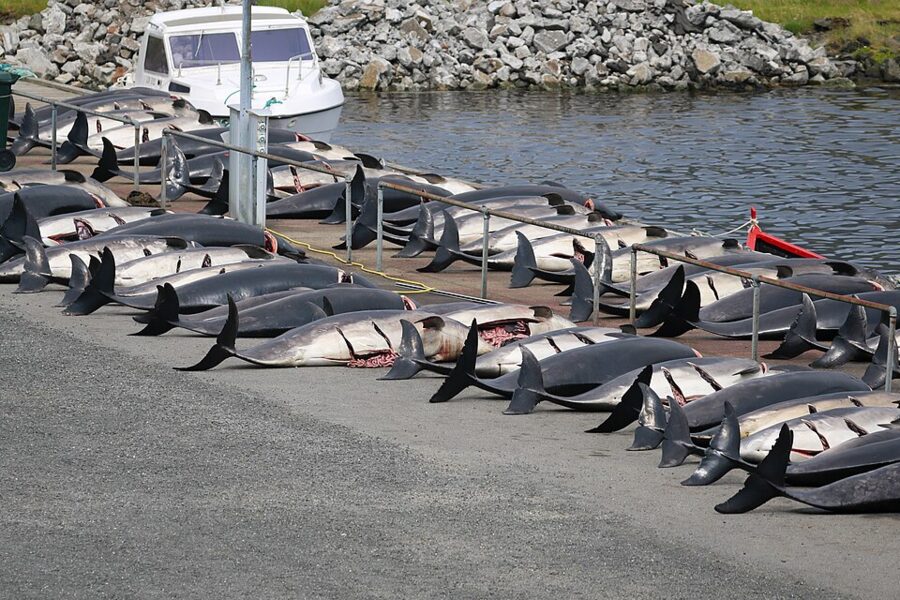
The Faroese hunt, the grindadráp (the grind for short), is the most photographed of the four. It is a drive, not a chase: a school of long-finned pilot whales is spotted near the coast, boats herd it into a bay, and people on the beach kill the whales in the shallows. Records of drives go back to 1584, which makes them one of the longest wildlife catch series anywhere.
How a grind works
Most schools are found by chance, by someone fishing or on an inter-island ferry. The find is called in, enough boats gather to form a crescent behind the whales, and the local chief of police must give permission before anything is beached. A foreman decides which of the 23 authorised whaling bays to use, and by tradition the boat that found the school gets a “finder’s whale”.
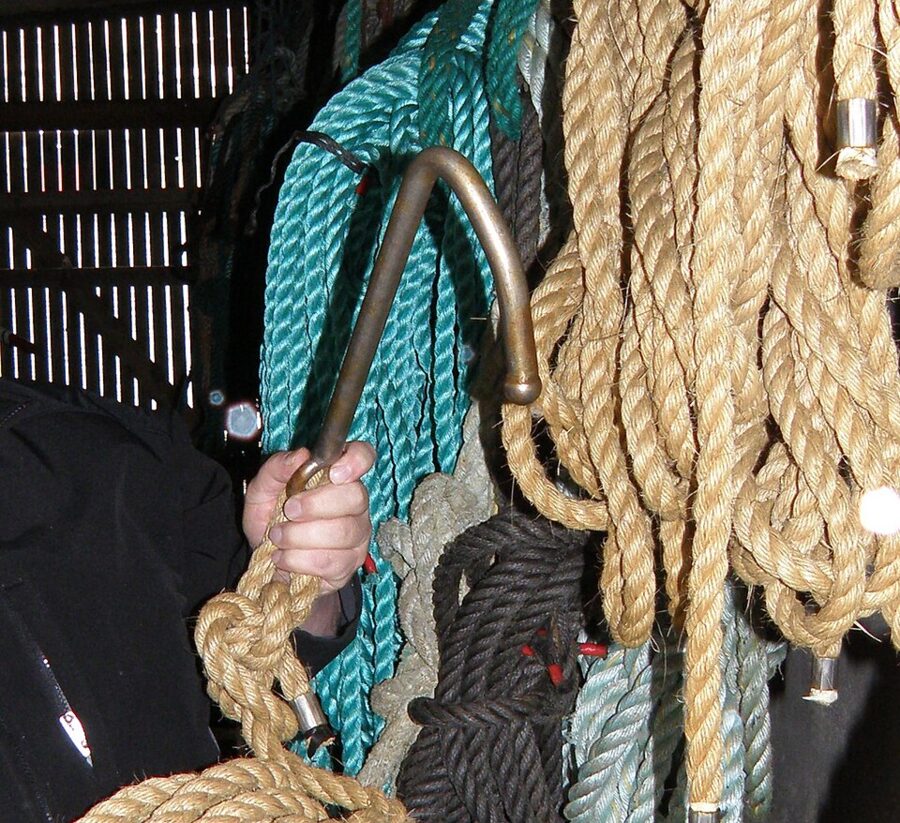

On the beach, men with the blowhole hook pull each whale in, and a licensed killer uses the mønustingari, a spinal lance designed by a Faroese vet, to cut the spinal cord behind the blowhole. The government says each whale loses consciousness within seconds and a whole school is killed in five to ten minutes. It is, in the government’s own description, “a dramatic and bloody sight”.
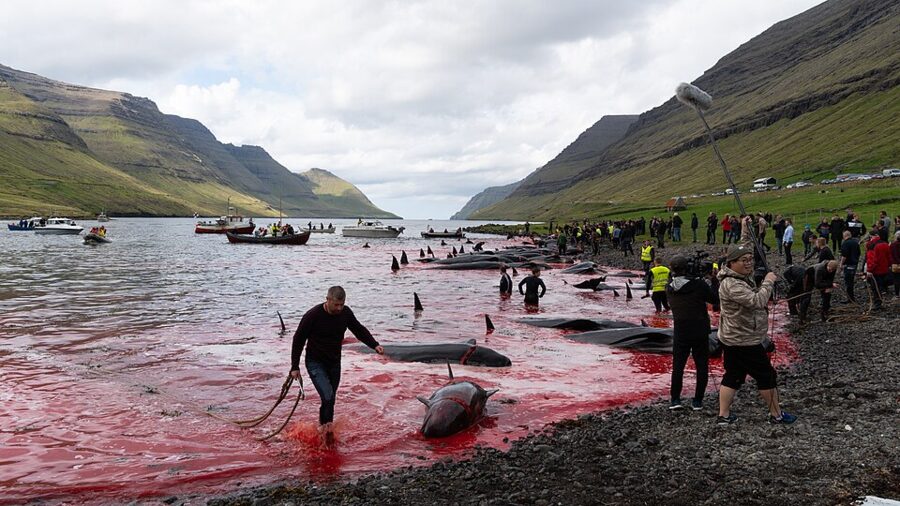

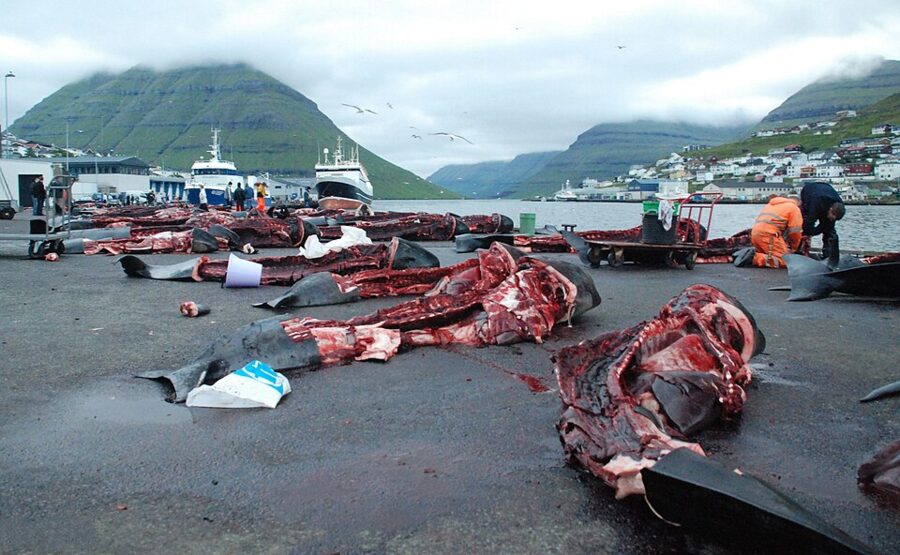
Then the district administrator works out the shares and hands out tickets. Each ticket names a whale and an amount of meat and blubber, measured in the old unit called a skinn, and people butcher their whale together on the quay. The catch is free to those who took part and, in a big drive, to everyone in the district. Some meat and blubber turns up for sale in supermarkets and on the dockside, but no company profits from the hunt.

The rules, and what changed after 2021
The IWC sets no limits for pilot whales or dolphins; the Faroes report their catches to NAMMCO, which they helped found in 1992. Pilot whales have no quota. The government’s case is arithmetic: an estimated 100,000 pilot whales around the islands, 380,000 in the eastern North Atlantic, and an average catch of about 600 a year.
On 14 September 2021 a drive into Skálafjørður, the islands’ longest fjord, ended on the beach at Skálabotnur with 1,423 Atlantic white-sided dolphins dead. It was far too many for the men on the beach to kill quickly, and many Faroese said so. The government ordered an evaluation and in July 2022 set a provisional limit of 500 white-sided dolphins a year for 2022 and 2023, pending fresh advice from NAMMCO. It also commissioned a smaller spinal lance for dolphins.

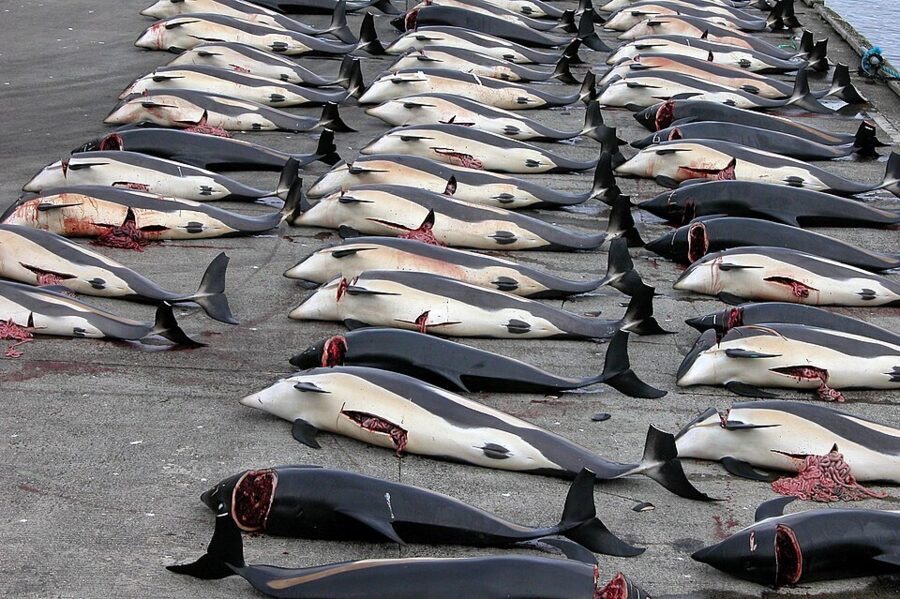

The dolphin catch has stayed far below the limit since: 10 in 2023, 150 in 2024, 50 in 2025. No published decision has yet set a formal limit to follow the 2022-23 one, so 500 is the last number on record rather than a current rule. Pilot whale catches swing with luck and weather: 413 in 2024, then 868 in 2025, including a single September drive at Fuglafjørður that campaigners counted at 285 whales.

Mercury, and who eats it
The argument inside the Faroes is less about cruelty than about poison. Pilot whales sit high in the food chain and carry mercury and PCBs from industry far away. Since June 2011 the Faroese Food and Veterinary Authority’s advice has been that adults should eat at most one meal of pilot whale a month, counted as 250 grams of meat and 50 grams of blubber. Women and girls who may have children should not eat the blubber at all; women planning a pregnancy within three months, pregnant or breastfeeding should skip the meat too; nobody should eat the liver or kidneys.
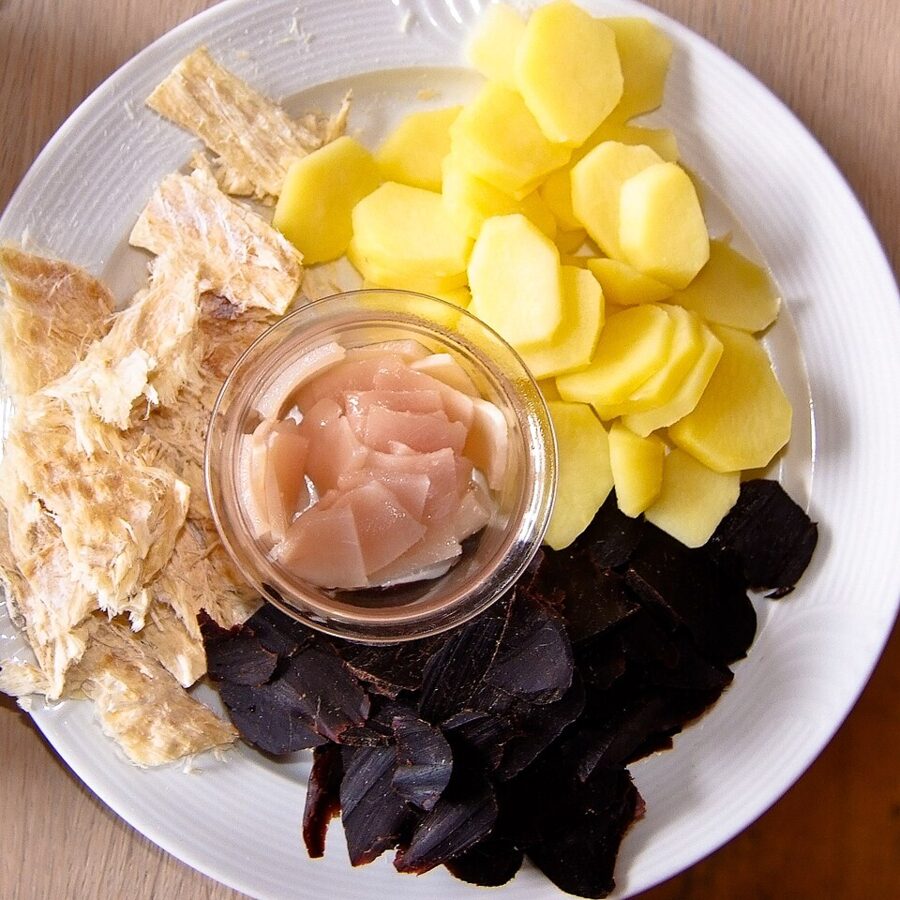

Polls, the government says, still show a large majority in favour of keeping the grind. The case they make is food security and carbon: whale caught in the next bay, shared for free, against meat shipped in from the continent. The official page on benefits and disadvantages blames the contamination on “heavy industries and industrialised agriculture” elsewhere, which is accurate and does not make the blubber safer.
Greenland: subsistence by quota
Greenland’s hunt is the one the IWC itself sanctions. It counts as aboriginal subsistence whaling, the same category as the bowhead hunts of Alaska and Chukotka, so the moratorium does not apply. Denmark asks for the quota on Greenland’s behalf; the IWC Scientific Committee runs the numbers and has found the current limits will not harm the stocks.

Two kinds of hunt
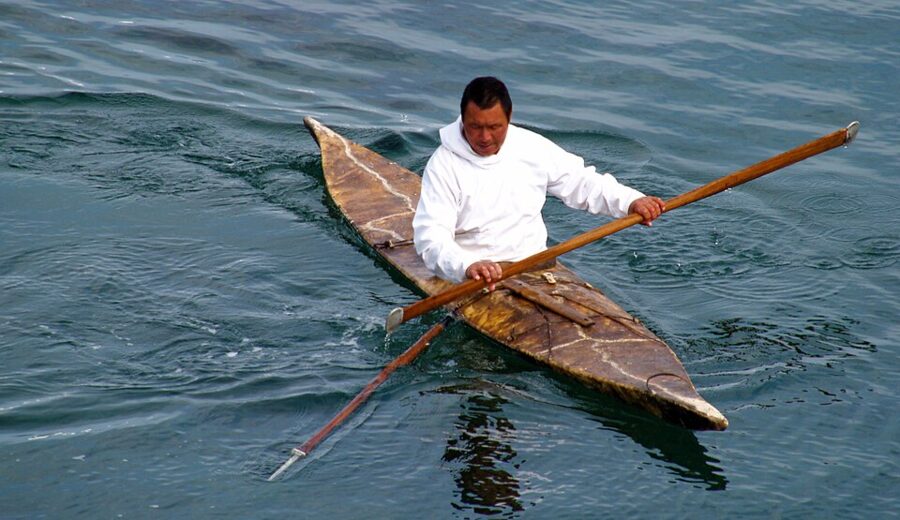
South of Uummannaq on the west coast, licensed hunters use harpoon cannons on fishing boats. A minke needs one boat of at least 30 feet; a fin whale two boats working together or one of 36 feet; a bowhead three. Of about 50 boats fitted with cannons, 35 to 45 are usually approved and active. Only people with a full-time occupational hunting licence may hunt large whales, and gunners must renew the cannon approval every second year.
Where there are few cannon boats, in East Greenland and north of Disko Bay, hunters use the collective rifle hunt: at least five skiffs, usually eight to ten with two to four people in each, herding a minke towards shallow water. According to the IWC’s summary of the Greenland hunts, median times to death in 2013-17 were about a minute for minke taken by cannon, 8 minutes for fin whales, 13 for humpbacks and 21 for the collective rifle hunt.

What it means in a settlement
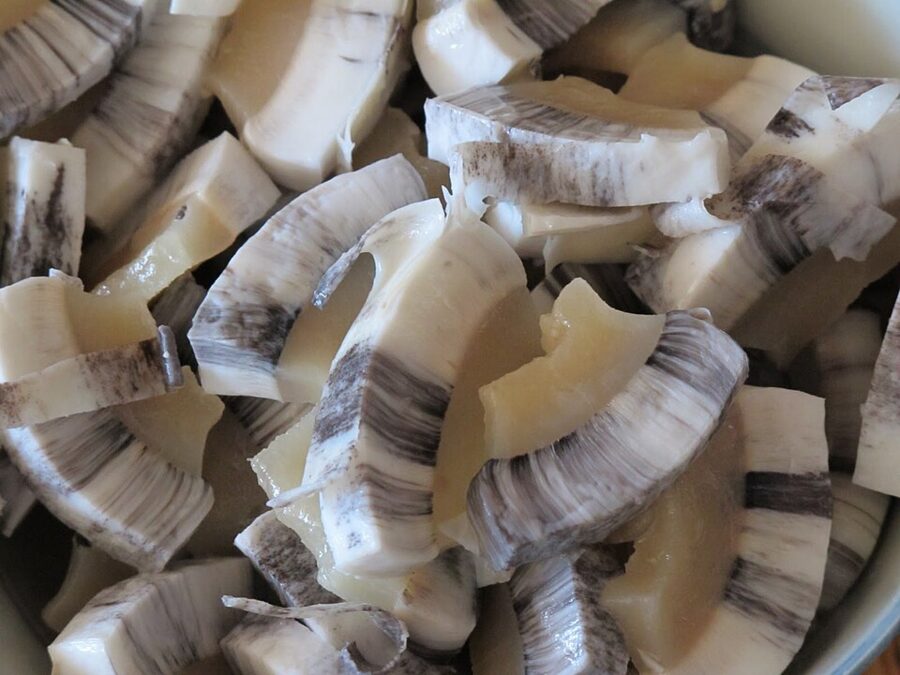
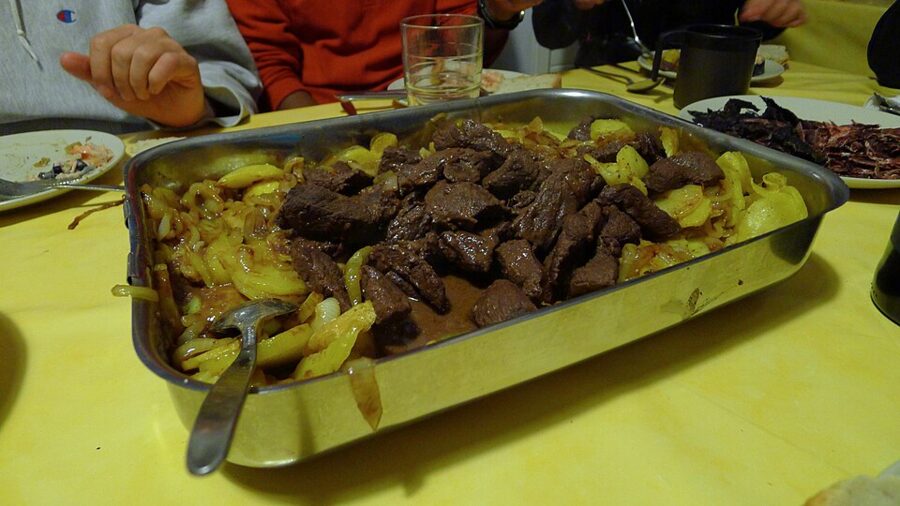
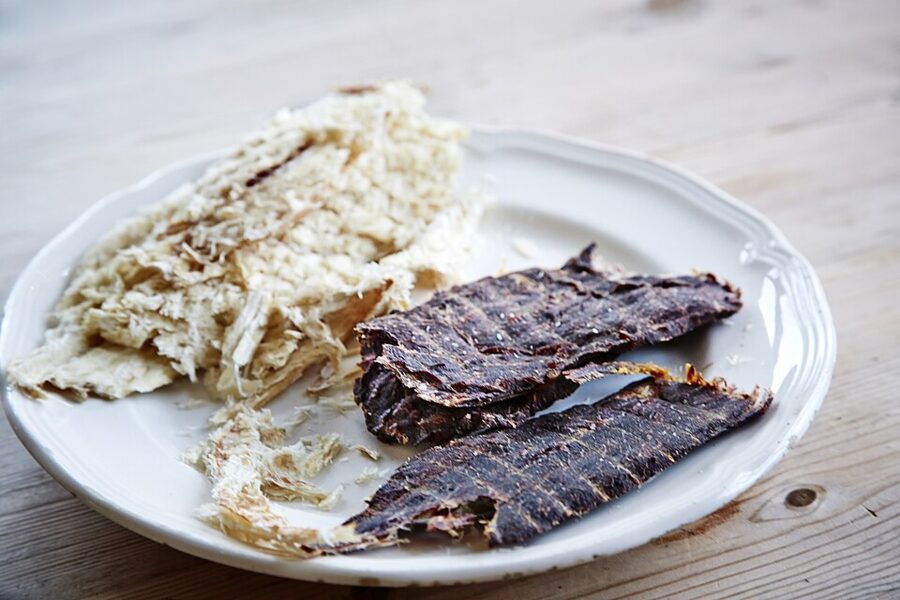
Greenland exports no whale products. Meat from a collective hunt goes mostly to the hunters’ families and the village. Cannon catches go first to the crew, family and friends; part is sold at the open-air markets, the kalaalimineerniarfik, at prices agreed between hunters and the municipality. Part goes to hospitals and care homes, and processing plants in Maniitsoq and Ilulissat ship some along the coast to villages that cannot hunt large whales.
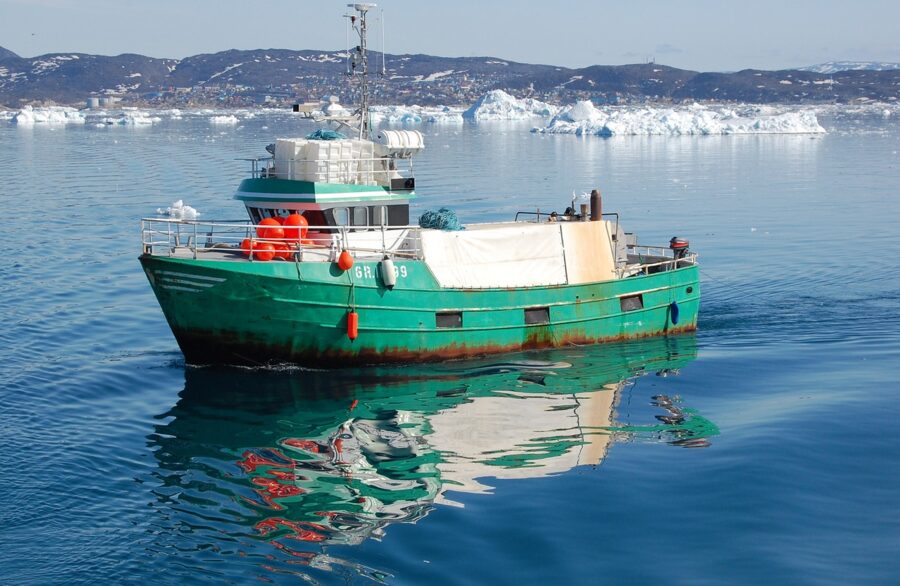
When fresh whale reaches the market, word travels by what Greenlanders call the kamikpost, a chain of calls, texts and now social media, and people queue. Greenland told the IWC its need is 794 tonnes of edible products a year in West Greenland; actual consumption in recent blocks averaged 8.2 kg per person. The cash from sales pays for fuel and for the penthrite grenades, which are expensive enough that one whale can cost a hunter several of them.

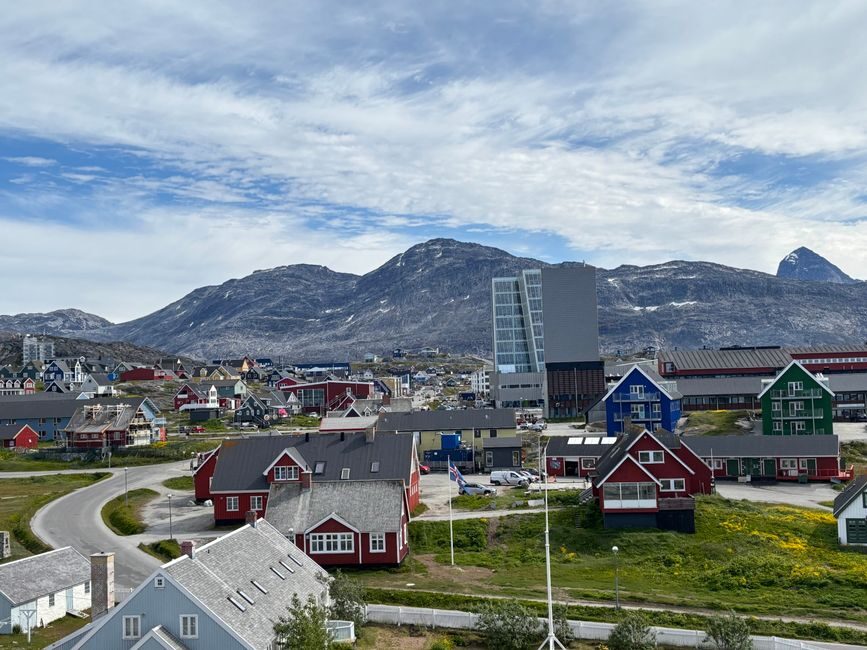
Greenland has also shown it will choose tourism over hunting when the sums favour it. In April 2021 Sermersooq municipality banned humpback hunting in Nuuk Fjord, after a 2014 study found that a handful of resident humpbacks accounted for most sightings and the councillor behind the ban, a former whale-watching skipper, argued they were worth more alive. Hunters can still take Greenland’s humpback quota, just not in front of the capital’s tour boats.

How it got here
For most of history, Nordic whaling meant small whales and luck. Icelanders and Norwegians claimed stranded carcasses and practised spear-drift whaling, marking a spear and waiting for the whale to wash up; the Faroese drove pilot whales ashore. In the 17th century Dutch, English and Basque fleets hunted bowheads off Svalbard. The fast rorquals, blue, fin and sei whales, were out of reach of everyone.

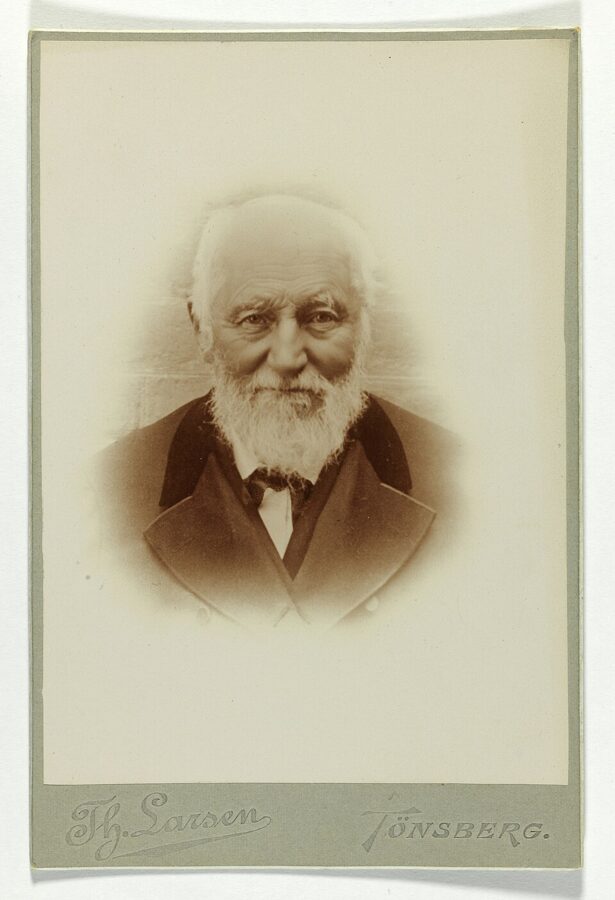
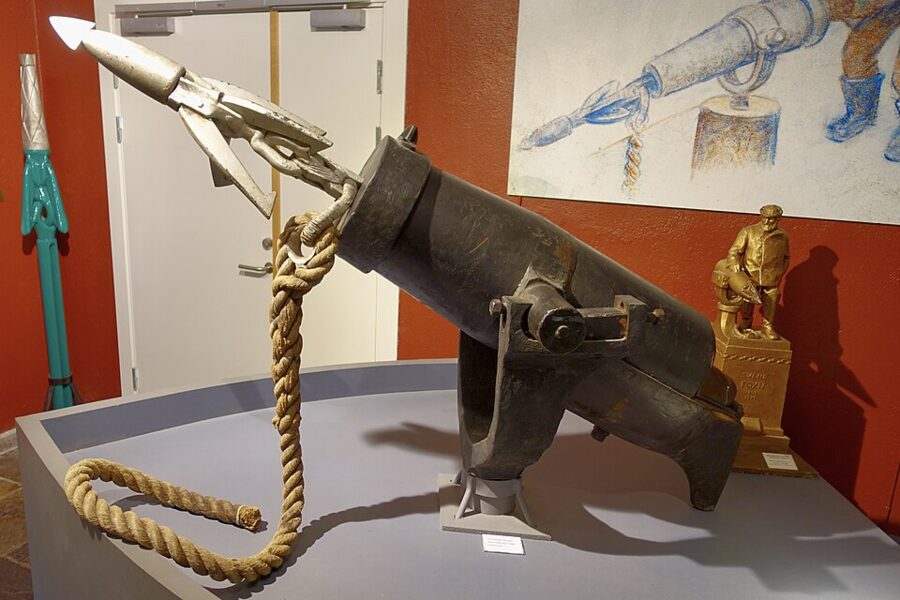
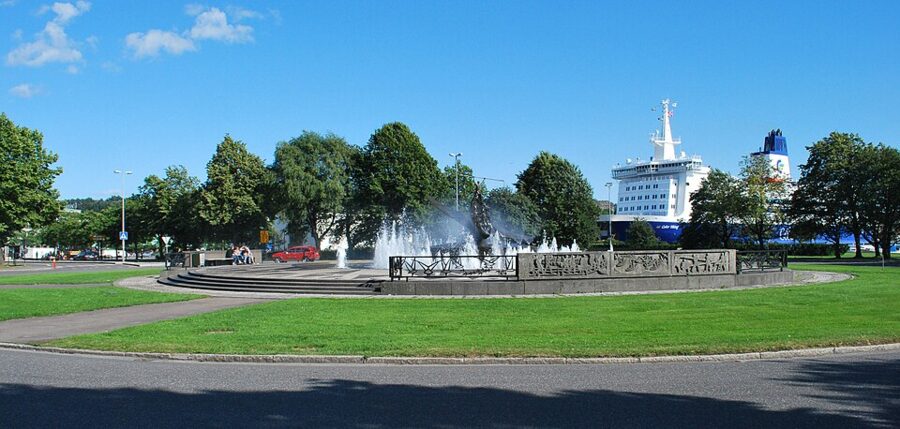
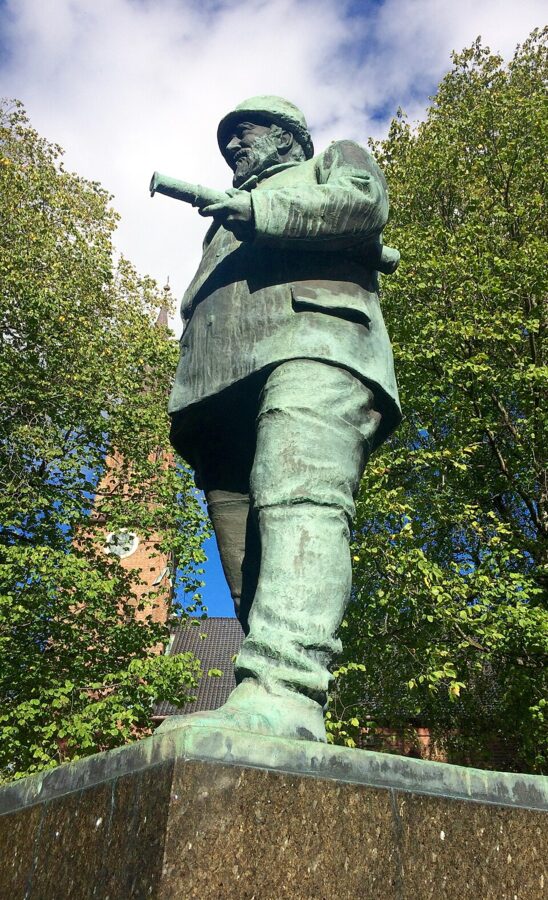
That changed in Finnmark. From 1864 Svend Foyn, a sealing captain from Tønsberg, hunted with the world’s first steam-driven whale catcher, Spes & Fides, and a harpoon tipped with an exploding grenade. Sources date the working gun to 1870 or to the 1873 patent on his system; either way, he held a whaling monopoly off Finnmark from 1873 to 1882. Every modern hunt, including Norway’s and Greenland’s today, descends from that gun.

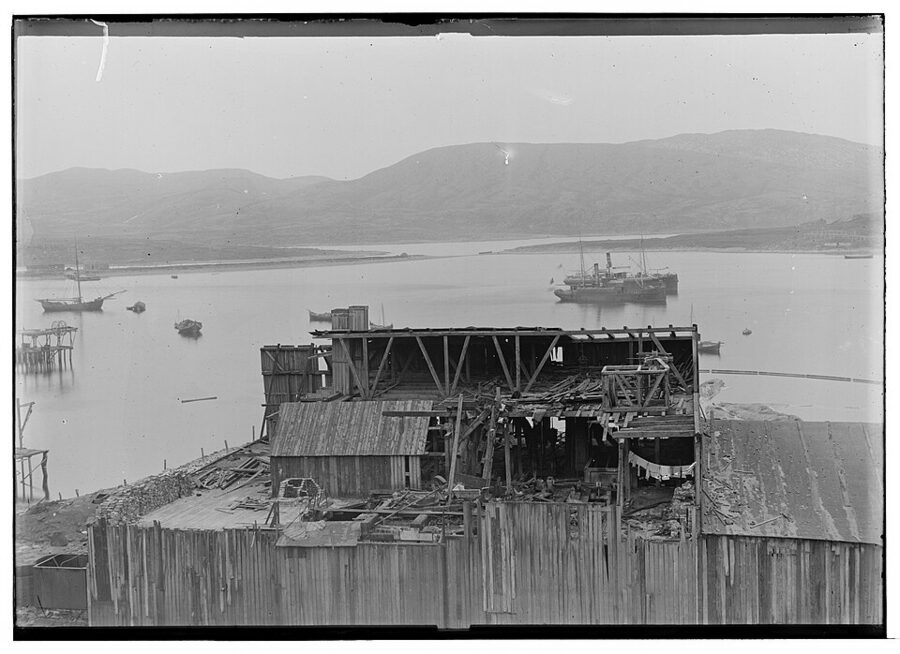
Shore stations spread along the Finnmark coast and then to Iceland and the Faroes. Northern fishermen blamed the whalers for poor catches, believing whales drove fish towards the coast, and in 1903 fishermen at Mehamn wrecked a whaling station. Norway banned whaling off its northern counties the next year, for a decade, and the companies looked south.
In 1904 the Norwegian captain Carl Anton Larsen opened the first Antarctic shore station at Grytviken on South Georgia. Companies from Sandefjord, Larvik and Tønsberg dominated the Southern Ocean for the next half-century. From 1925 floating factory ships with stern slipways could haul a whale aboard and process it at sea, free of any coast.
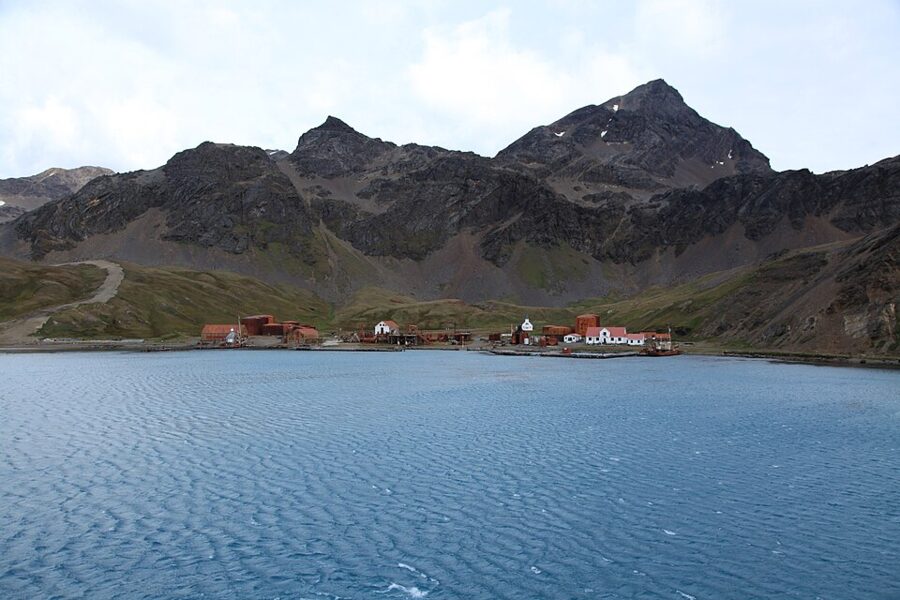

By the mid-1930s Norwegians were taking more than half the world’s whales. Norway’s Antarctic whaling ran from 1905 to 1968, and by the end the blue whale was close to gone.
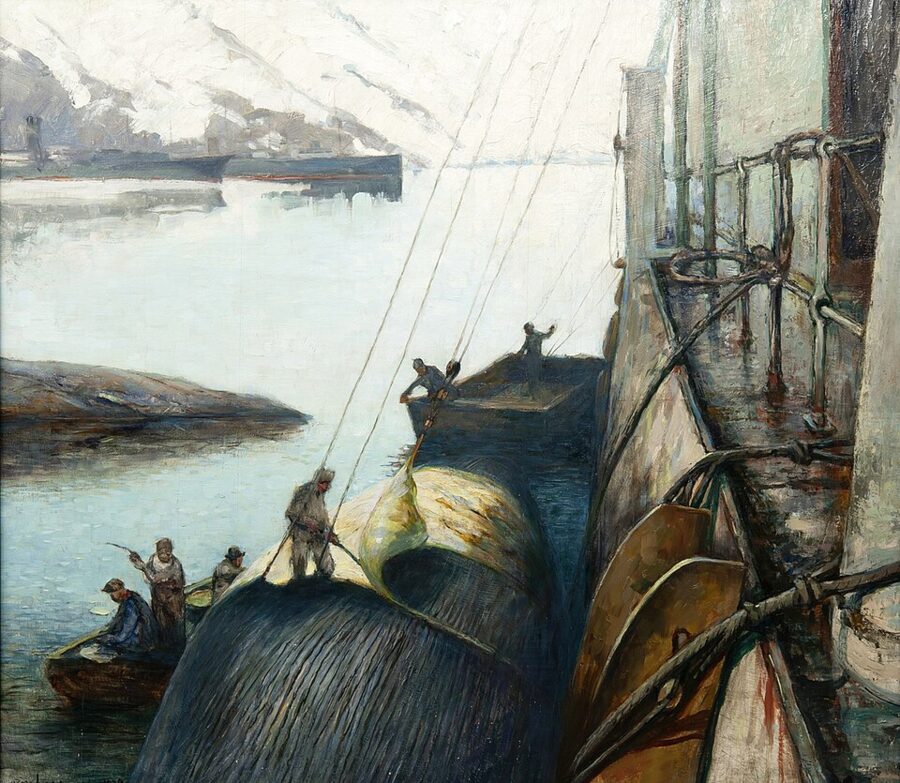

The IWC was set up under the 1946 convention signed in Washington, as a club of whaling nations managing a shared stock, and for decades it set quotas that were too high. By the 1970s new members with no whaling interests had joined, and in 1982 the commission voted for the moratorium.
Norway objected and later resumed. Iceland left the IWC in 1992, rejoined in 2002 with a reservation against the moratorium and resumed commercial whaling in 2006. That same year of 1992, Norway, Iceland, the Faroes and Greenland formed NAMMCO, with its office in Tromsø, as a forum that starts from sustainable use rather than protection.
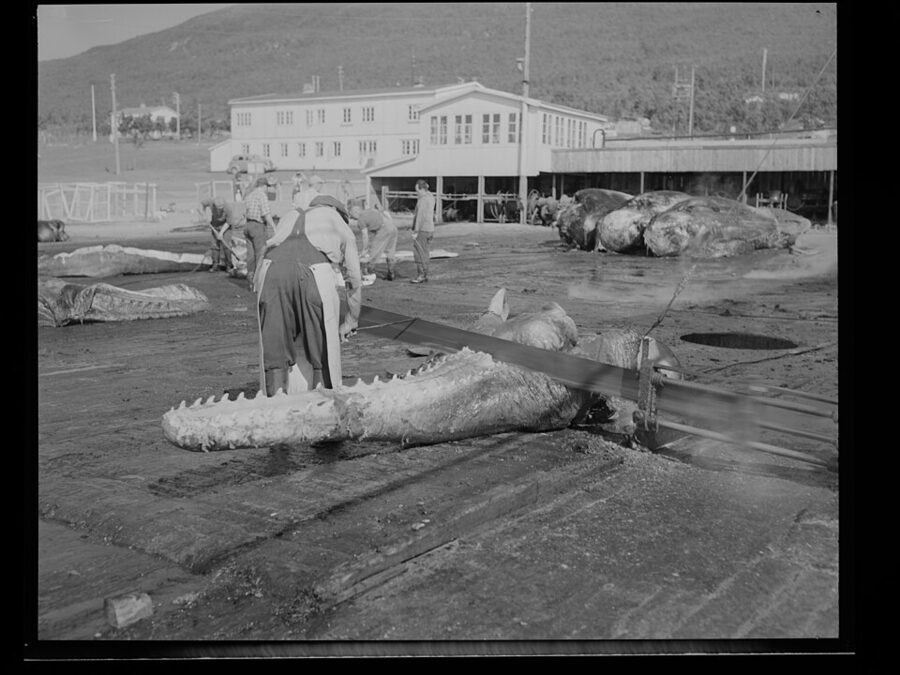
The arguments
The case against whaling and the case for it barely meet, because each side argues on different ground. Taken one at a time, though, the claims can be checked.
Killing time and welfare
A whale is a moving target that surfaces for seconds, shot from a deck that pitches. Critics say this makes a humane kill impossible to guarantee: NOAH estimates that about one in five whales in the Norwegian hunt does not die at once, and WDC cites Norwegian research showing some suffer for up to 25 minutes. Iceland’s 2026 whale that took 31 minutes and four harpoons came from the regulator’s own monitoring.
Hunters and governments answer with averages. Greenland reports a median of about a minute for cannon-shot minke, and the Faroese spinal lance kills in seconds once the whale is on the beach. The weak point of that defence is the drive itself, the herding and stranding before the lance, which no time-to-death figure measures.
Stocks and sustainability
Here the hunting countries are on firmer ground than their critics often allow. North Atlantic minke whales number well over 100,000, North Atlantic fin whales have grown steadily, and the IWC’s own scientists have reached consensus that Greenland’s limits will not harm the stocks. A Faroese catch of 600 pilot whales a year from an estimated 100,000 is a small share.
The counter-arguments are about detail. Norway’s catch leans heavily on females: of 429 minke taken in 2025, 287 were female and about 60 per cent of those were pregnant, according to Norway’s own catch data. A 2019 Norwegian risk assessment warned that killing females disproportionately can slow population growth. Researchers at Norway’s Institute of Marine Research reported in 2025 that feeding whales raise summer productivity in the Nordic and Barents Seas by up to 10 per cent, which cuts against the old claim that whales compete with fishermen.
Culture, rights and the charge of cultural imperialism
Whalers in all four countries make some version of the same point: people in countries that farm pigs and chickens indoors and fly beef across oceans are in a weak position to lecture a village that eats what swims past it. In Greenland and the Faroes this is a claim about food and identity, and it is hard to dismiss. Greenland’s government argues that it would be environmentally irresponsible not to eat whale if the hunt is sustainable.
The charge of cultural imperialism fits Norway and Iceland less well. Their hunts are commercial, the meat is largely exported or sold to visitors, and in Iceland at least, opposition is strongest among the young. Iceland’s planned ban is a domestic decision, driven by polls and politics in Reykjavík rather than by foreign campaigns.
Tourism on both sides
Whale watching in Iceland and northern Norway depends on the same animals the whalers hunt. The Nuuk Fjord ban shows the trade-off in miniature: a few resident whales killed, and sightings drop. In the other direction, visitors who order whale steak in Reykjavík or buy whale sausage in Bergen are, as WDC puts it, part of what keeps the meat trade going.
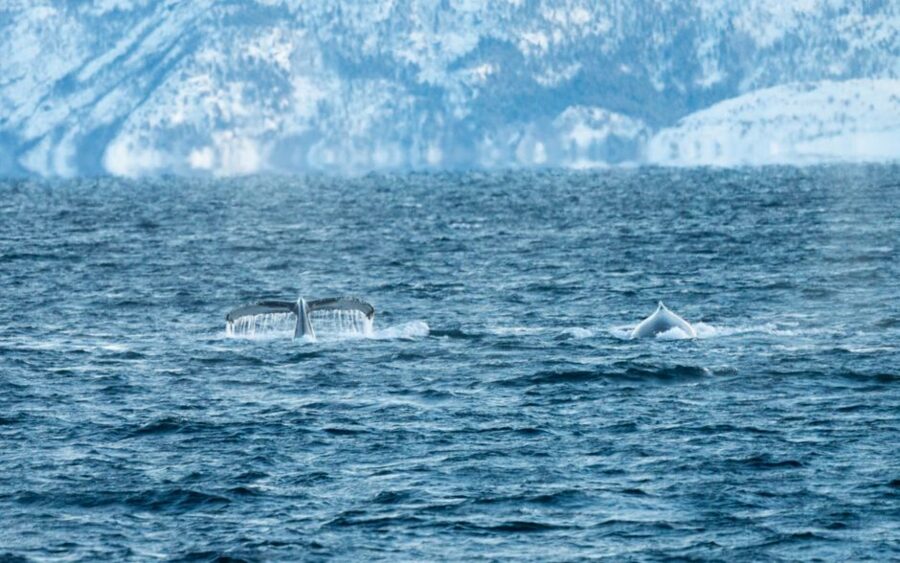
What you will meet, and how to decide
On a trip north you are unlikely to see a hunt. What you will see is the meat, the boats and the arguments, often within a few hundred metres of each other.
Norway. Whale steak, carpaccio and burgers on menus in Lofoten, Tromsø and Bergen, fresh from spring to autumn and frozen the rest of the year; whale in supermarkets and fish markets. Winter whale watching off Skjervøy and Tromsø and sperm whale trips from Andenes run from the same coast that sends out the minke boats. Whale-watching boats crowding orcas in the fjords is its own problem, part of the wider question of Arctic animal tourism.
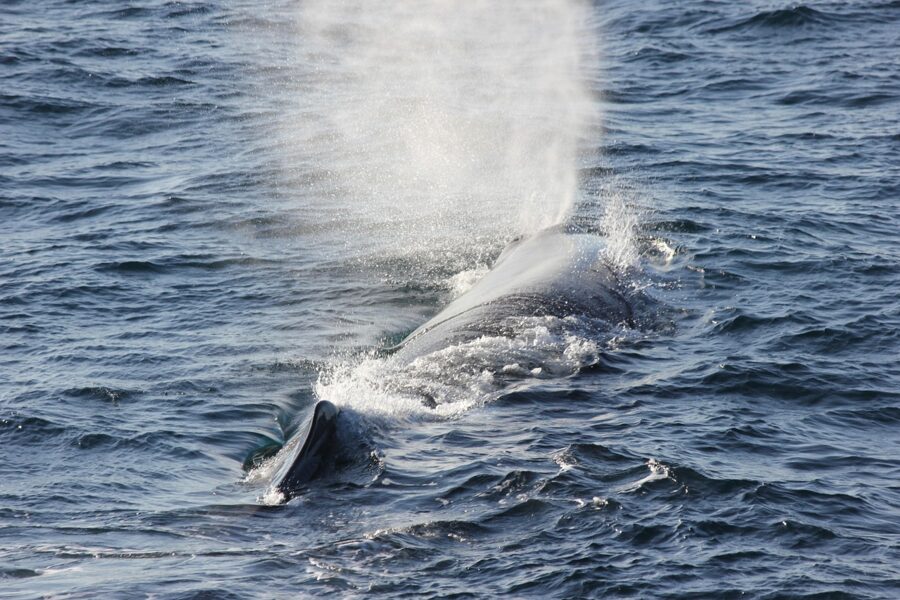
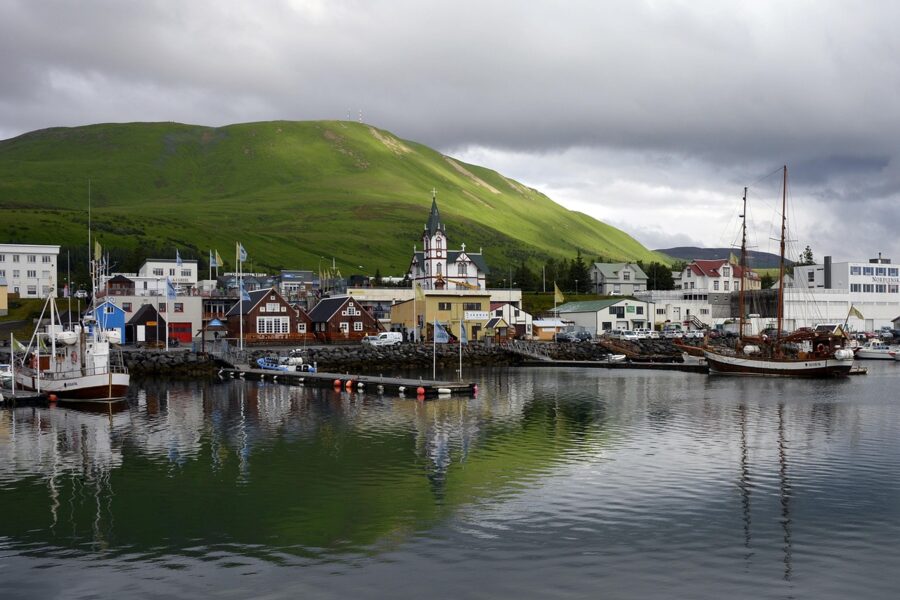
Iceland. Whale is far rarer on Reykjavík menus than it was, and no minke has been caught in Icelandic waters for years, so ask what you are being offered and where it came from. The whale-watching boats leave from Reykjavík’s Old Harbour and from Húsavík in the north. If you drive Route 47 around Hvalfjörður instead of taking the tunnel, you pass the whaling station.
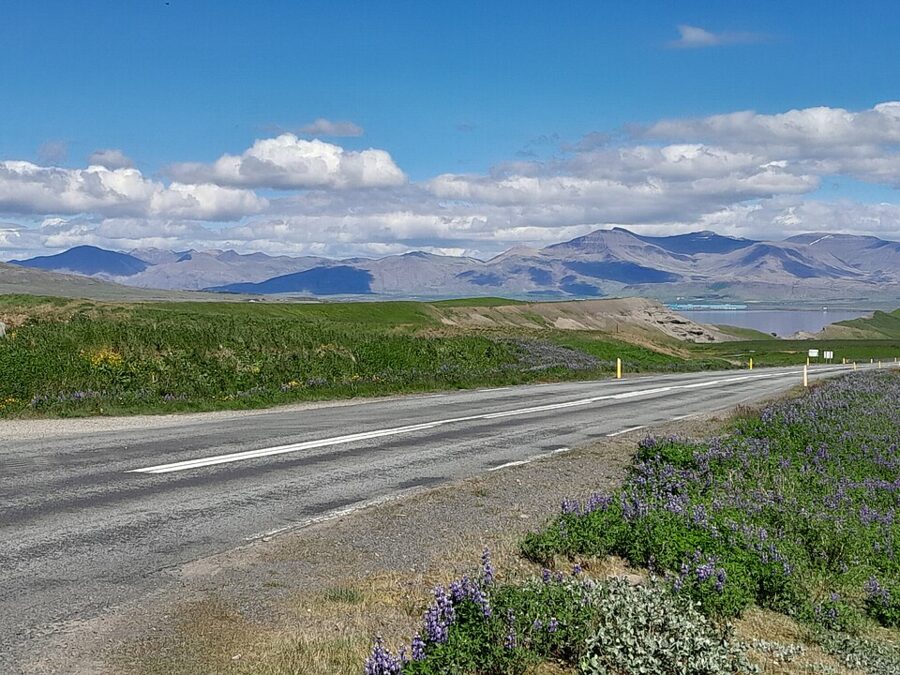

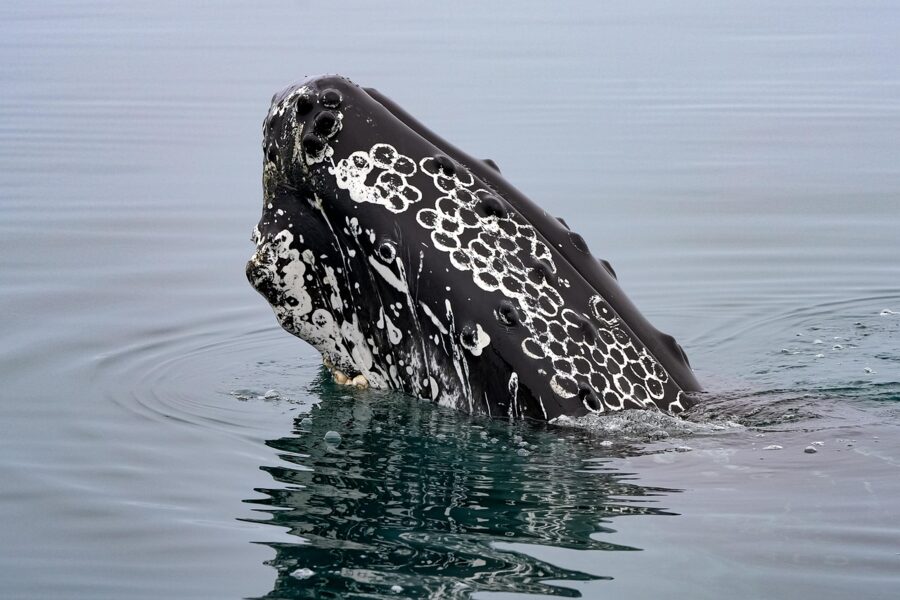
The Faroe Islands. A grind can happen in any month, with no notice. If one starts while you are there, keep clear of the beach: it is a workplace with knives. Grind meat and blubber are sometimes on sale in supermarkets, and the mercury advice applies to visitors too.
Greenland. Mattak and whale meat at the kalaalimineerniarfik in towns along the west coast, and occasionally in restaurants. This is the only one of the four where eating whale is almost entirely about local subsistence; whether that changes your decision is up to you.
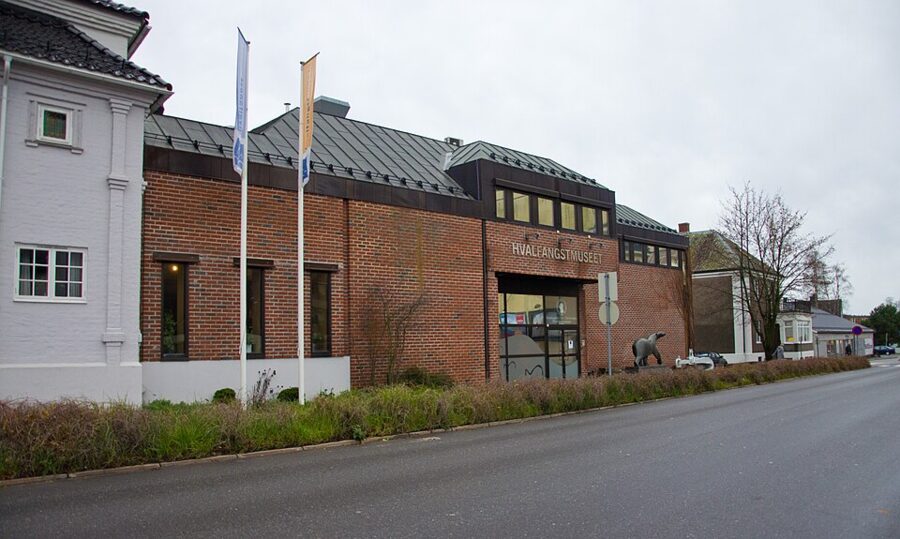
A few rules hold everywhere. Minke and fin whales are listed under CITES Appendix I, so you cannot take whale products home to the EU, the UK or the US; customs confiscate them, and Finland bans imports outright. Ask which species and which country the meat came from, because the answer varies more than the menu suggests. And if you want the history without the meat, go to Hvalfangstmuseet in Sandefjord, open Tuesday to Sunday 11:00–16:00 (adults NOK 100; children 7–17, students and seniors NOK 70), where the steam catcher Southern Actor lies at the museum quay.



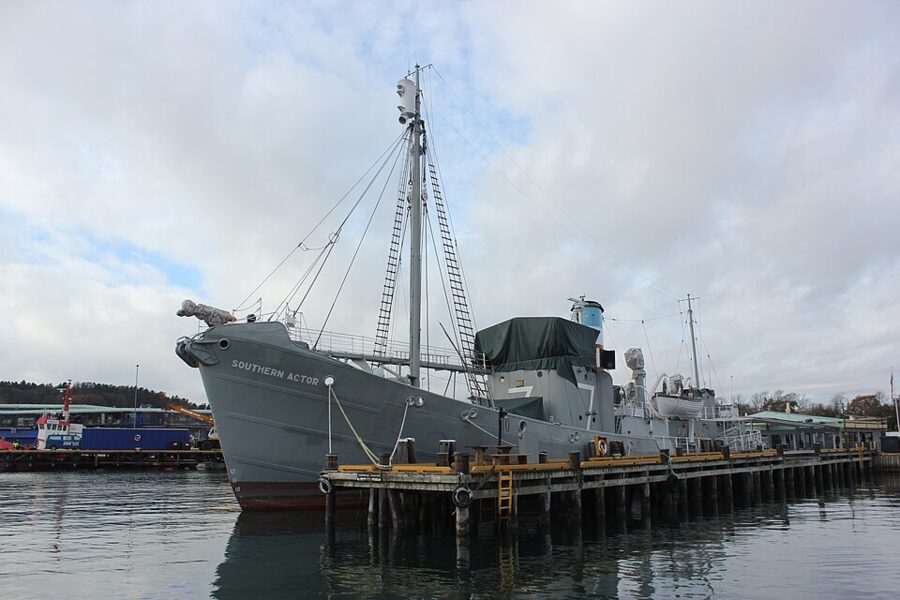

Back on Ægisgarður, the bill is due in parliament in February, months before the summer whale-watching season opens, and the two Hvalur boats will either be fitting out for June or staying where they are. If you are in Reykjavík before then, walk out along the quay past the grey catchers to the whale-watching office at Ægisgarður 5c, look at both kinds of boat, and decide which one you would rather see go out.