

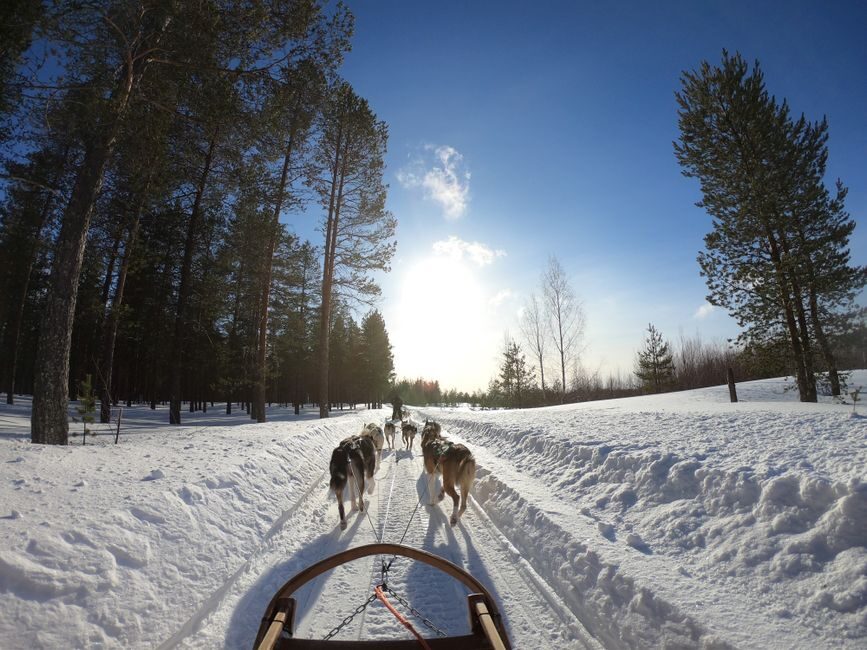
Finnish Lapland had up to 8,000 sled dogs in the winter of 2020, by the count Yle published when the borders closed and just under a hundred husky businesses found themselves with full kennels and empty booking calendars. Nobody has published a firmer number since. Across the border, Mattilsynet inspected 323 sled-dog yards in a single national campaign, and every winter the fjords north of Tromsø fill with herring, then orcas and humpbacks, then boats.
Animals are the north’s best sellers. Dogs pull you, reindeer pull you more slowly, whales surface for you, and in Svalbard a polar bear may or may not walk along the ice edge while forty people hold their breath on deck.
Each of these comes with its own animals, its own owners and its own rulebook, and the rulebooks are not equally strict. Some are detailed down to the square metre. One of them says almost nothing about the animal at all.
I would not tell you to skip any of them outright. I would tell you which questions to ask, and when a plain “no” is the right answer.
Contents 6 parts
Dog sledding: how the kennels work
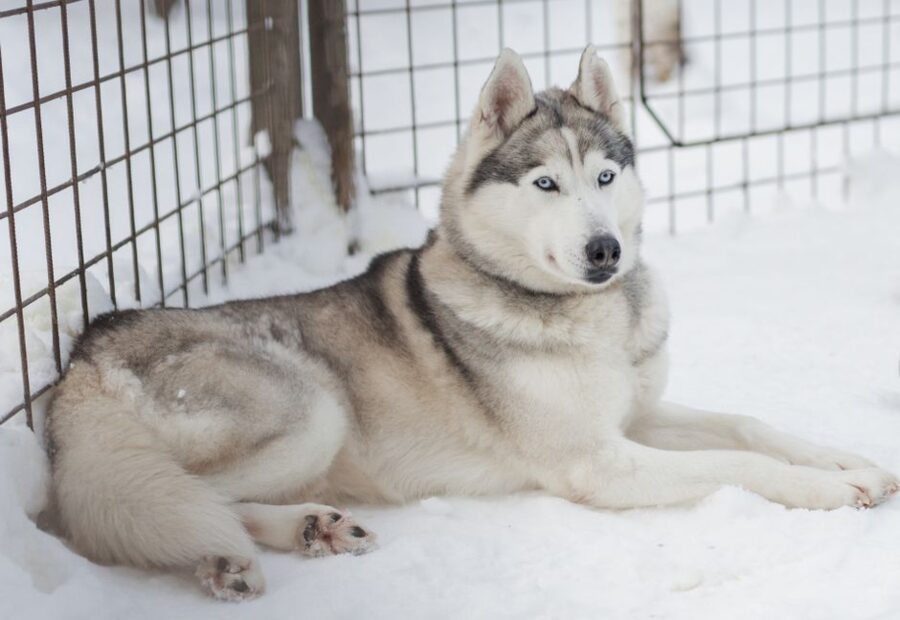
Almost every dog you will meet on a safari in Norway or Finland is an Alaskan husky. That is a working type, not a breed: a mix bred for pulling, endurance and appetite, usually leaner and smaller than the blue-eyed Siberian huskies on the brochures. Some kennels keep Siberians for show and for guests who expect them; in Svalbard you will also meet Greenland dogs, heavier and slower, the old expedition breed.
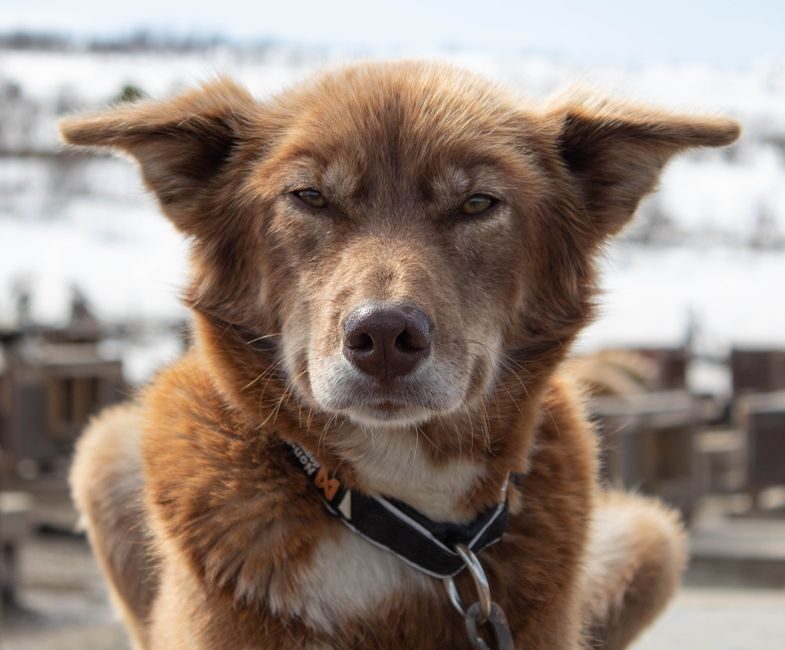
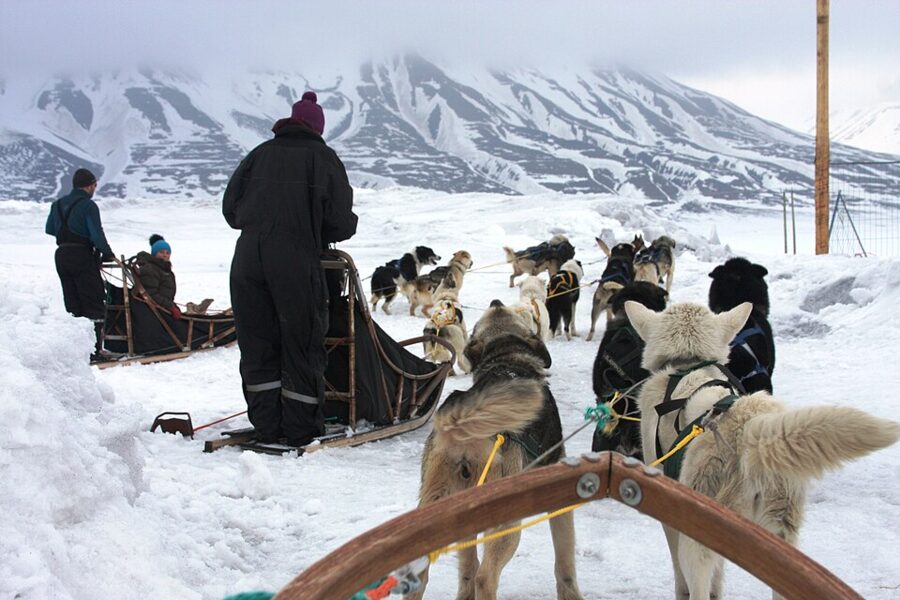
A tourist kennel is a dog yard. Each dog has a small insulated house and either a chain on a swivel post or a share of a fenced pen. Dogs are fed at least once a day, Mattilsynet’s minimum, often on commercial food mixed with slaughterhouse by-products, and in a well-run yard someone walks the lines at least twice a day checking feet, eyes, appetite and mood. Mattilsynet’s guidance asks for exactly that: supervision at least twice a day, and more often for sick dogs, pregnant females and puppies.
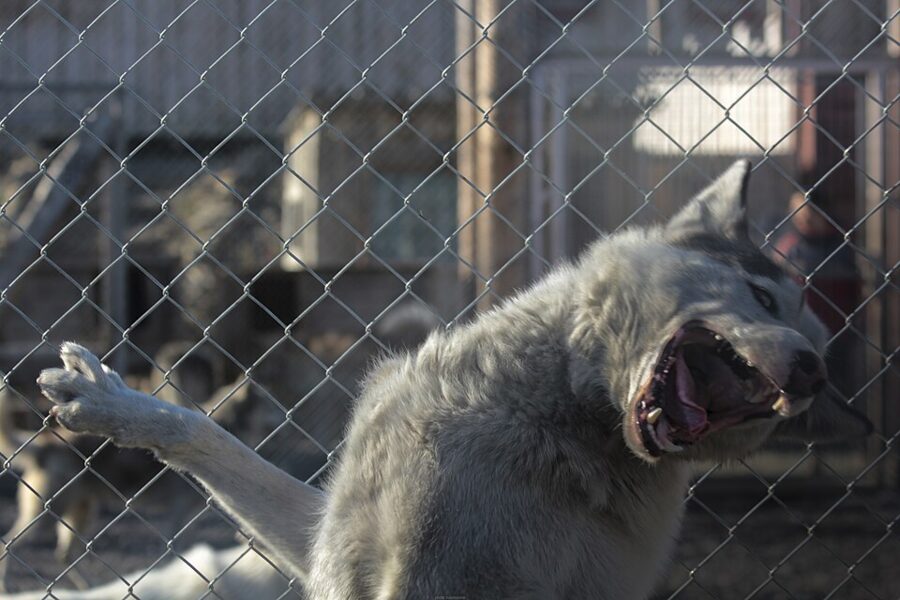

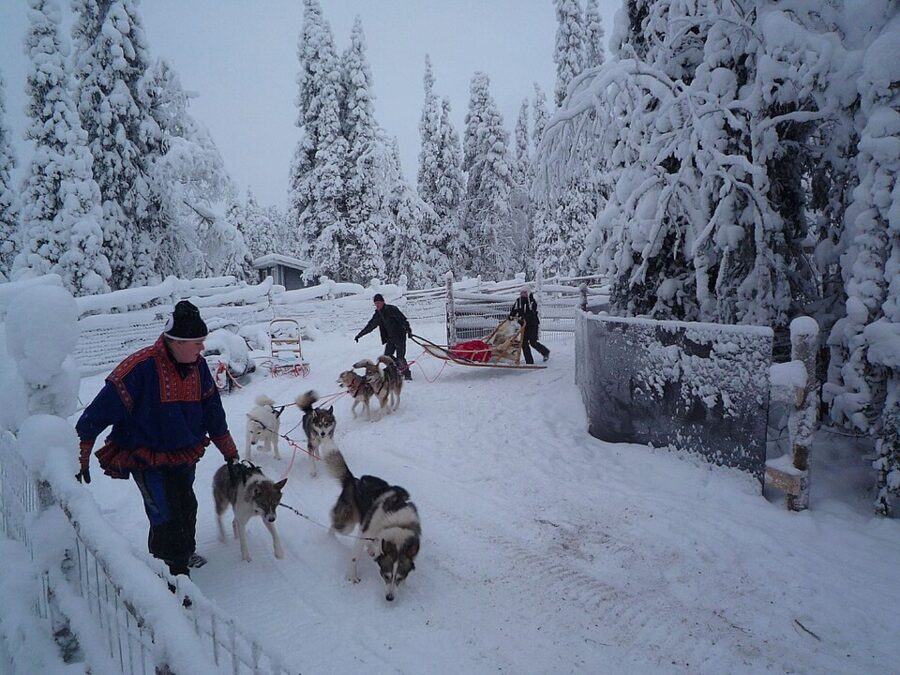
The season runs from first snow, usually November, until the snow goes in April. In those months a working dog runs most days, and a large kennel can hold several hundred dogs.
Summer is the quiet half: training with wheeled carts or quad bikes on cool mornings, puppies, repairs. A good kennel keeps exercising its dogs all year. Mattilsynet says daily activity is required year-round, not only in the training season.

The part of the business you do not see is retirement. A sled dog’s career is short. Bearhill Husky, a kennel in Sinettä outside Rovaniemi, put it at six, seven or eight years before a dog needs to slow down, when it launched a non-profit rehoming scheme, Project RePaw, in August 2025.
The Oulu newspaper Kaleva has reported that Lapland’s husky yards retire hundreds of dogs a year. Some stay on as yard dogs or puppy teachers, some go to private teams, some to homes in Germany or the Netherlands. And some are put down. A kennel that tells you plainly which of these happens to its own dogs is already doing better than one that changes the subject.

What has gone wrong
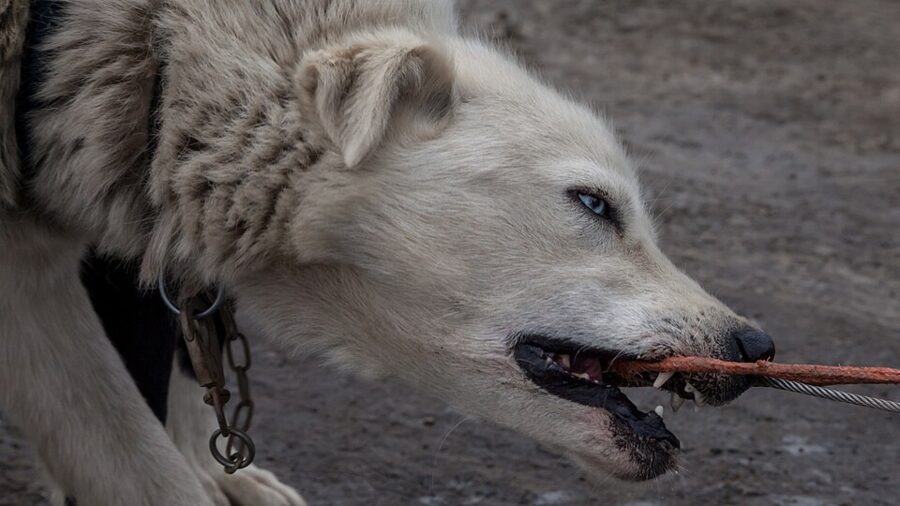
Most kennels are not scandals. Mattilsynet’s national inspection project in 2018 and 2019 is the best evidence either way: inspectors visited 453 holdings where dogs live outdoors, 323 of them sled-dog yards, and found breaches of the rules in 25 per cent of the sled-dog yards against 54 per cent of the other outdoor holdings.
The report adds that many yards with breaches failed four to eight of its ten checkpoints. Across all holdings, 23 were serious enough for urgent orders, and in three the dogs were taken into temporary custody or the holding was shut down. The checkpoints that failed most often were housing and exercise.
The bad cases tend to look alike. In September 2020 Mattilsynet raided a husky-safari business in Gratangen in Troms and removed six puppies; NOAH, the animal-rights group that had reported the business to the police, later announced that it had been banned from keeping dogs.
In Finland, Lapland police sent two cases involving one dog-sled safari company to prosecutors in April 2026: the investigation found old dogs with ruined teeth, some dogs severely underweight, staff putting dogs down by injection and closing wounds with a stapler without anaesthetic, all between January 2024 and October 2025. The same company was suspected of cutting tens of kilometres of unauthorised trails across state land, to the cost of local reindeer herders. The company’s representative denied wrongdoing.
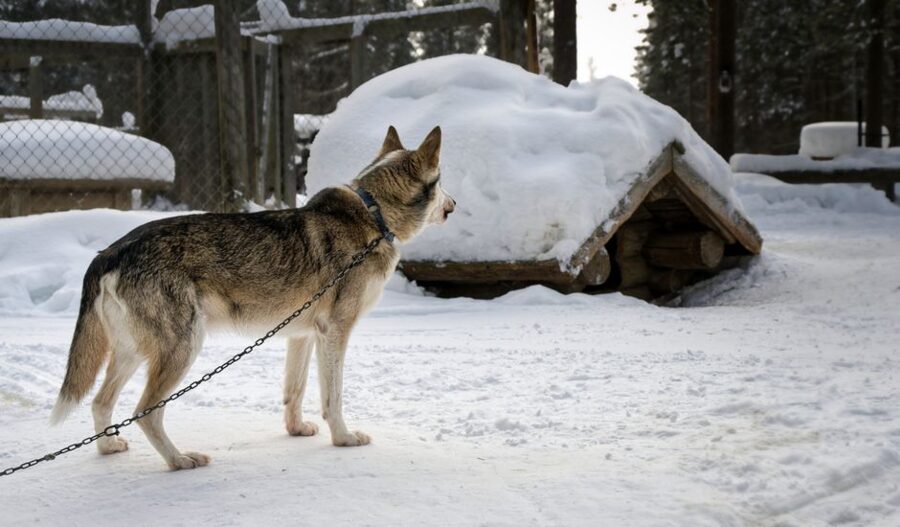
Veterinarians in Lapland have described a recurring pattern rather than a rotten industry. Municipal vets in the fell villages told MTV Uutiset that most yards treat their dogs well and the commonest problems they treat are bite wounds from fights and dogs trodden on in harness.
The serious failures are cold, wet houses and dogs without proper shelter. The regional state veterinarian added the detail worth remembering: every winter a few operators from abroad or from southern Finland set up a yard for a single season, sometimes in temporary barracks, and do not always register it. Those are the ones inspectors find last.
In December 2024 a British guide who had gone to work for a dog-sled company in Enontekiö filmed dogs kept two to a box in a plywood transport trailer in a car park and posted the videos; the company, a Swedish operator, denied that the trailer was the dogs’ home and said it was used only for transport. Inari’s municipal vets had written in their guidance for sled-dog businesses that a transport box is only for transport, illness or another temporary reason. The law’s general rule says the same: an animal’s permanent home must let it move, rest and behave normally.
What the law requires
In Norway the rules sit in the Animal Welfare Act, which makes the owner responsible for good supervision, care, feed and water, and in Mattilsynet’s guidance on keeping dogs outdoors, which is what inspectors measure against. The numbers in it are concrete enough to check on a visit:
- a pen of about 12 m² per dog, more if dogs share it, and no more than four adult dogs together without someone watching;
- a chained dog needs at least 12 m² of reach, so a chain of at least 2 metres, never a choke or chain collar, and long gang-chains for permanent tethering are not acceptable;
- a wind- and watertight house, insulated for winter, big enough to stand, turn and lie in, with a dry, soft bed;
- drinking water where the dog lives, or at least twice a day when it freezes, and snow is not a substitute;
- no puppies under six months and no females with litters living outside in winter;
- exercise off the chain or out of the pen several times a week, preferably daily, all year.
Mattilsynet’s own checklist for inspectors adds that chained dogs must be off the chain for at least ten hours a week, and that a healthy dog sits at 4 to 5 on a nine-point body-condition scale. The 2018 to 2019 inspection report is worth reading for the photographs alone.
Finland replaced its old animal protection law with the Animal Welfare Act (693/2023) on 1 January 2024, and Ruokavirasto, the Finnish Food Authority, set out what changed for dog keepers in its note on the new requirements for keeping dogs. A dog’s permanent enclosure must have unfrozen water available at all times.
Professional sled-dog yards are exempt in frost only, and then the dogs must be watered at least three times a day. Every yard needs facilities for handling dogs and a quiet place to isolate a sick or injured one, and a dog in an outdoor pen must be brought inside if, say, a medical collar stops it getting into its house. Prong collars and electric collars are banned outright, including owning them.
Anyone keeping seven or more dogs over six months old counts as a professional or large-scale keeper and must notify the authorities in advance, which puts every tourist kennel on the register. Large-scale keepers must have suitable training or experience, enough competent staff and a plan for fires and power cuts. Municipal vets and the regional state administrative agency inspect; Ruokavirasto steers. The law cannot inspect a yard nobody has reported, which is the weakness the Lapland vets keep pointing at.
Reading a dog yard in ten minutes
Ask to see the yard before or after the ride. Kennels that are proud of theirs say yes without blinking, and many sell a “kennel visit” on its own. Then look at the things you can check without being a vet.

- Water. Bowls in the pens, or a plain answer about watering times on cold days. “They eat snow” is the wrong answer in both countries.
- Houses. Raised off the ground, dry bedding (straw or wood wool), an opening to one side. Wet straw or a house standing in slush means trouble.
- Ground. No standing in mud, meltwater or their own droppings. Droppings should be cleared daily.
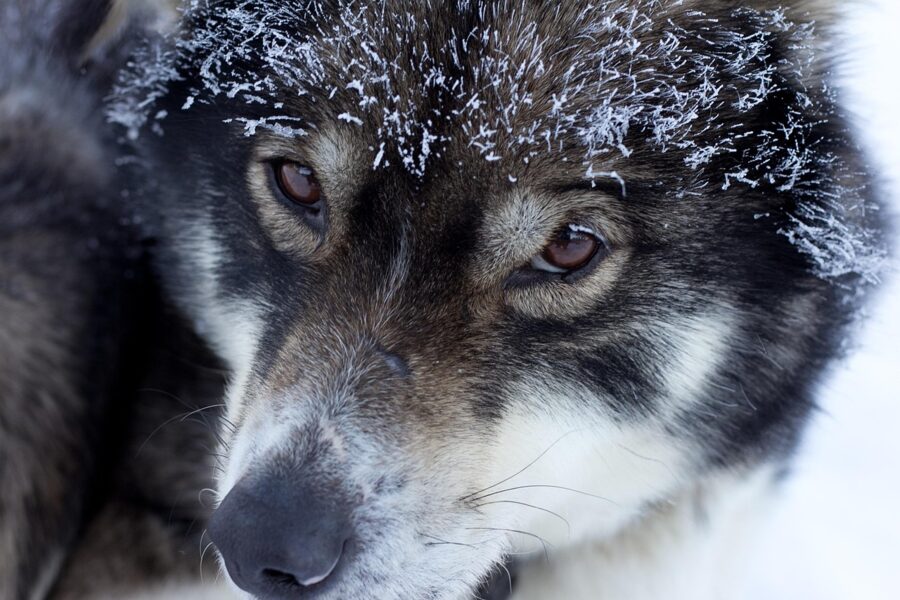
- Bodies. Lean is normal for a working dog; visible hip bones and spine are not. Limping dogs should be off the team.
- Names. Staff who know the dogs individually, and permanent staff as well as seasonal guides. The Lapland vets single this out: an experienced handler notices a sore dog at once.
- Distance and weather. A route shortened for soft snow or deep cold is a good sign. “Same tour whatever the conditions” is not.
- Retirement. Ask what happens to dogs at eight. Listen for a specific answer.
Two more things are worth a thought. Group size: a convoy of twenty sleds leaving every hour is a factory, however friendly the guides. And price: a cheap trip is not proof of a bad kennel, but feeding and housing a dog for twelve months to work for five costs what it costs.
Reindeer: whose animals, whose farm
Every reindeer you will meet in Finnish Lapland or Finnmark belongs to somebody; Norway’s wild reindeer live far to the south, in the mountains. What changes between the two countries is who is allowed to own them, and that decides who you are paying when you sit in a sleigh.

Norway: Sámi herding by law
In Norway, the Reindeer Husbandry Act reserves ownership in the Sámi reindeer herding area, which covers most of the north, to people entitled to a reindeer earmark, in practice Sámi from herding families. Reindeer must belong to a siidaandel, a family unit within a herding group, run by a leader who decides who owns reindeer in it. The reindeer board can make exceptions. Outside the Sámi area, reindeer herding needs a specific permit from the King.
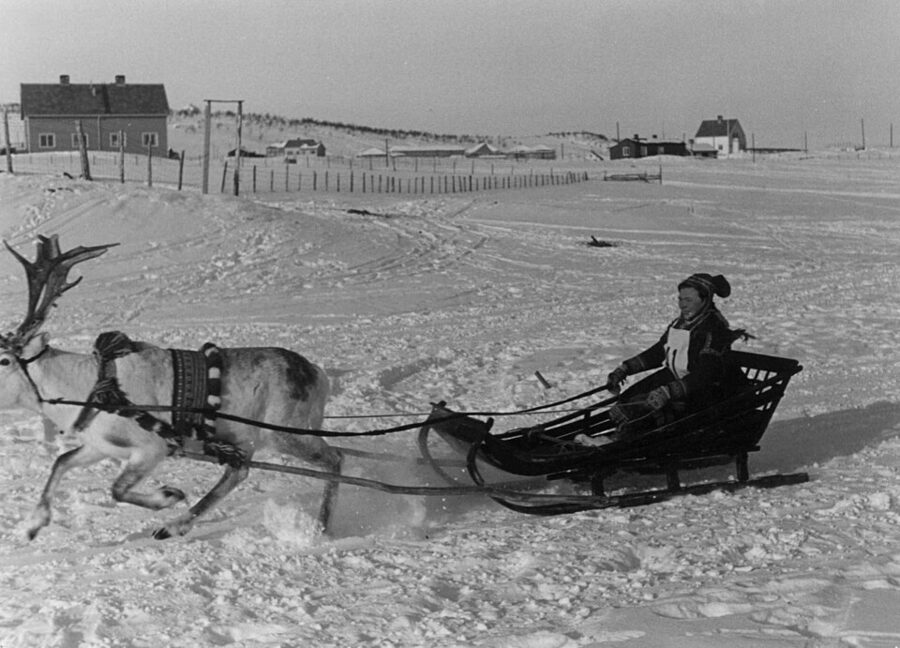
So a reindeer sleigh ride near Tromsø, Alta or Karasjok is almost always run by a Sámi herding family or with its animals, often as a side business that pays for the herding. It is also a hard time to be a herder. Landbruksdirektoratet’s resource accounts for 2024 to 2025 describe a grazing crisis in Nordland, Troms and Finnmark that winter, when mild spells, rain and frost locked the lichen under ice and affected about 147,000 reindeer, 68 per cent of the country’s winter herd.

Finland: open to residents, and growing fast
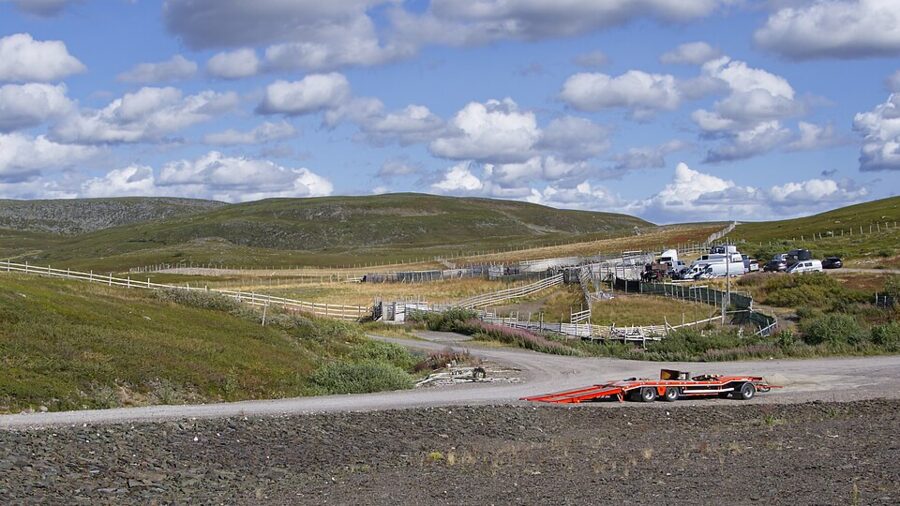
Finland’s Reindeer Husbandry Act works differently. Anyone who lives permanently in the reindeer herding area and is a citizen of an EEA country may own reindeer, as may the herding cooperatives themselves. The herding area covers 122,936 km², 36 per cent of Finland, and is divided into 54 paliskunnat, herding cooperatives, each with its own head herder. Sámi herding is concentrated in the far north, around Inari, Utsjoki and Enontekiö; further south most herders are Finnish.
The numbers come from the Reindeer Herders’ Association’s statistics for 2024 to 2025. At the end of that herding year Finland had 179,509 live reindeer, about 24,000 below the maximum of 203,700 the state allows. Tourism is the growth part.
The farm-tourism association had 186 member businesses employing 800 to 1,000 people in winter; tourist reindeer, marked separately, went from 1,578 in 2023 to 2024 to 1,803 the next year and 2,239 on the register by June 2026. The association estimates that one well-trained sled reindeer brings in about €10,000 of turnover, and 50 to 70 of its members rent sled reindeer to other businesses.
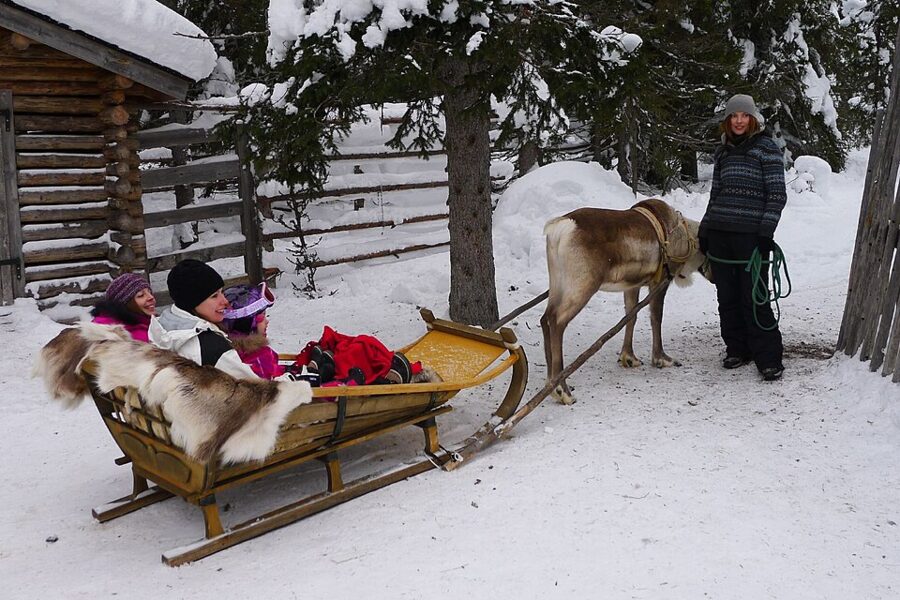

That last figure matters more than it looks. The reindeer pulling your sleigh at a Rovaniemi resort may belong to a herding family an hour away and spend the season on a track behind a hotel. That is not necessarily bad; trained sled reindeer are valuable animals, and renting them out keeps families in herding. It does mean the business in front of you may not be a reindeer farm at all.
What a decent visit looks like
The better visits are run by herders, at a farm or herding place, and the reindeer are part of the story rather than the whole of it: how the year runs from calving in May to the autumn round-ups, how earmarks work, what the herd eats in winter and why it now often needs feeding. You might feed lichen by hand, see a corral, ride a loop with a herder leading. The talk is the point.
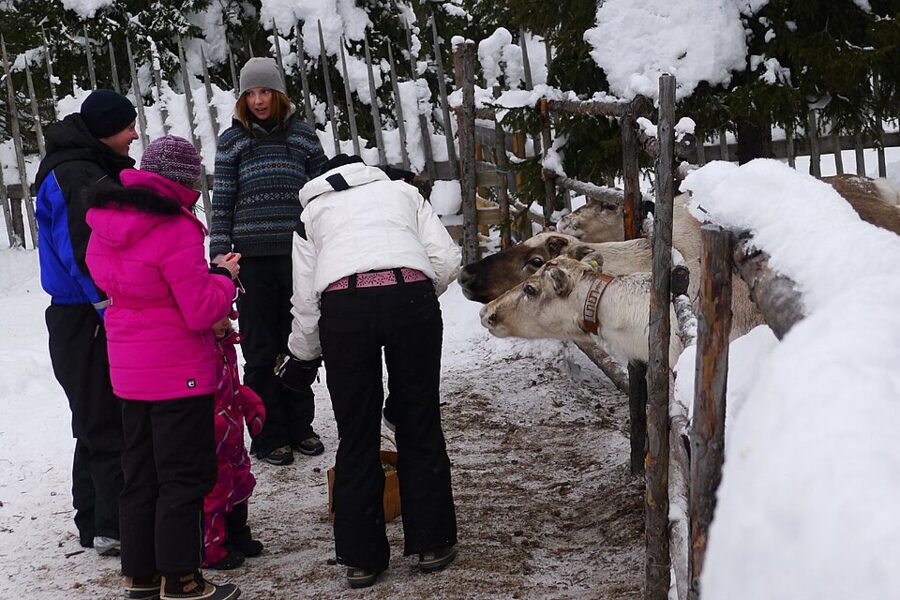

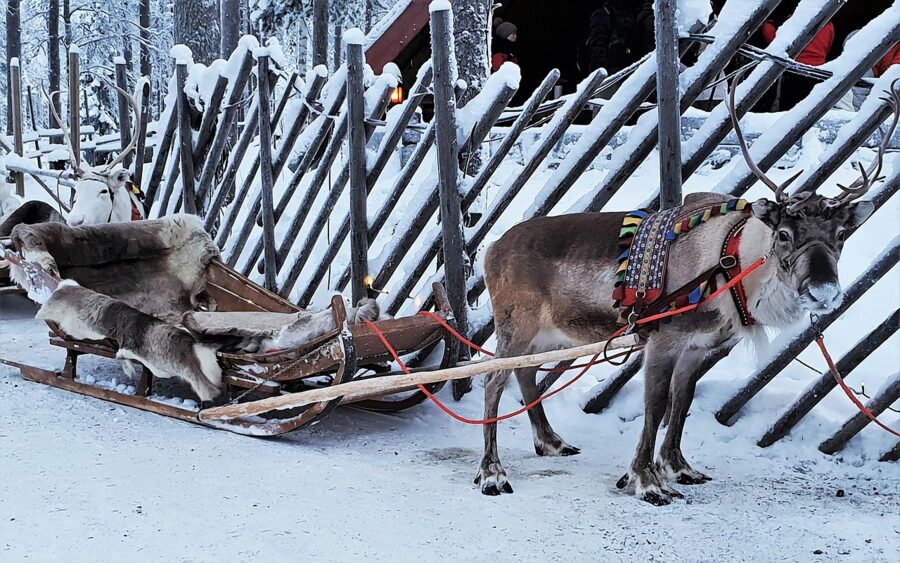
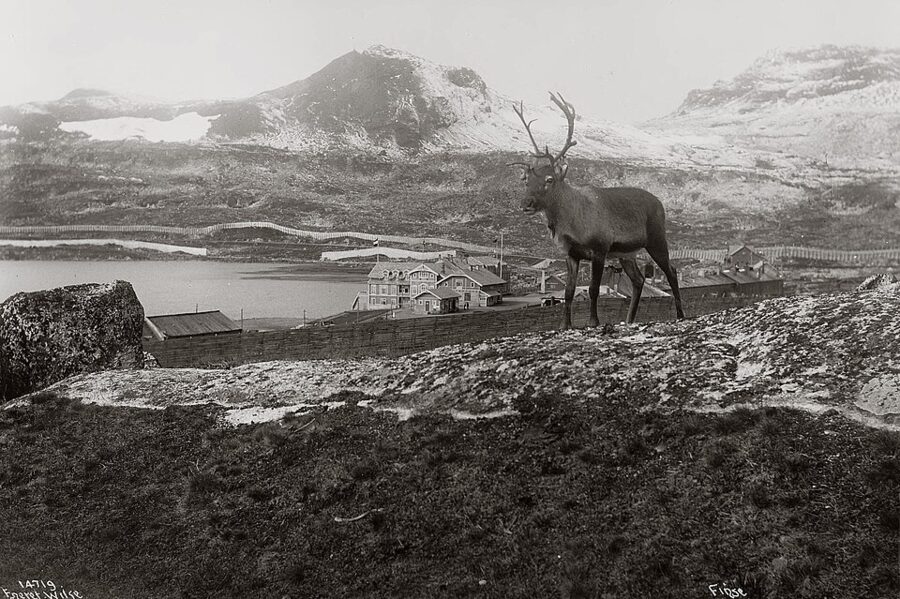
Signs of a poor one are the ones you would expect from the Finse platform in 1912: a reindeer tethered for photos all day, animals in a small pen with no herder in sight, a sleigh loaded with three adults, rides on bare ground. Reindeer are not built to stand still being touched by strangers, and a good herder will tell you how much handling is too much. If the person running the visit cannot tell you anything about herding, you have found a petting zoo with antlers.
Whale watching: orcas, humpbacks and sperm whales
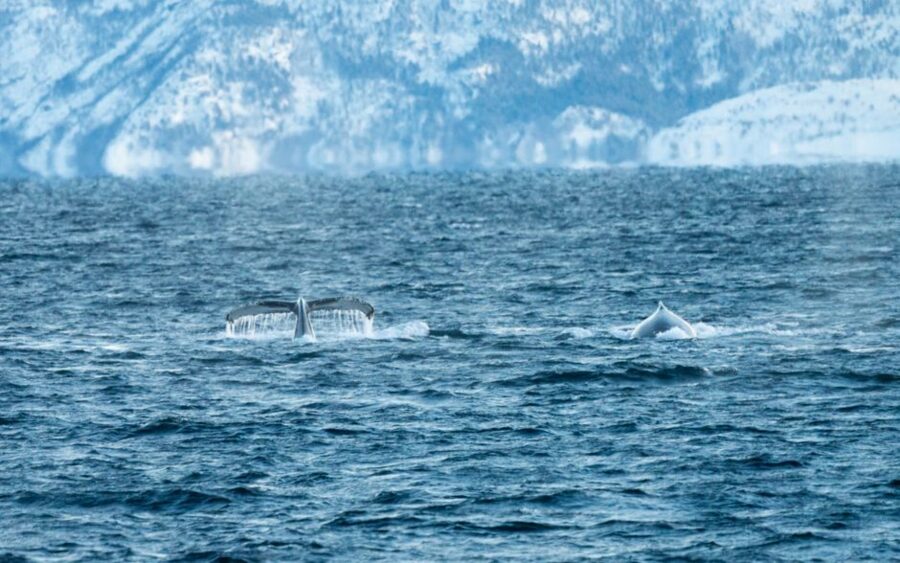
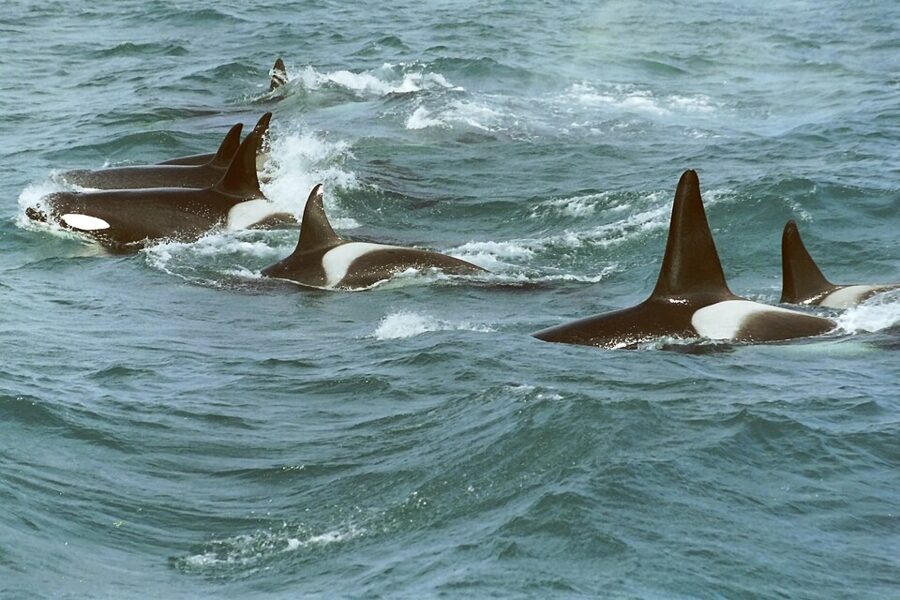
Whale watching in northern Norway has two seasons and two very different products. In winter, from about October to January, orcas and humpbacks follow the herring into the fjords of Nord-Troms and Vest-Finnmark, and boats leave from Tromsø, Skjervøy and Alta. In summer, the attraction is sperm whales feeding in the Bleik canyon off Andenes, where the continental shelf drops into deep water close to land.

Winter off Tromsø and Skjervøy
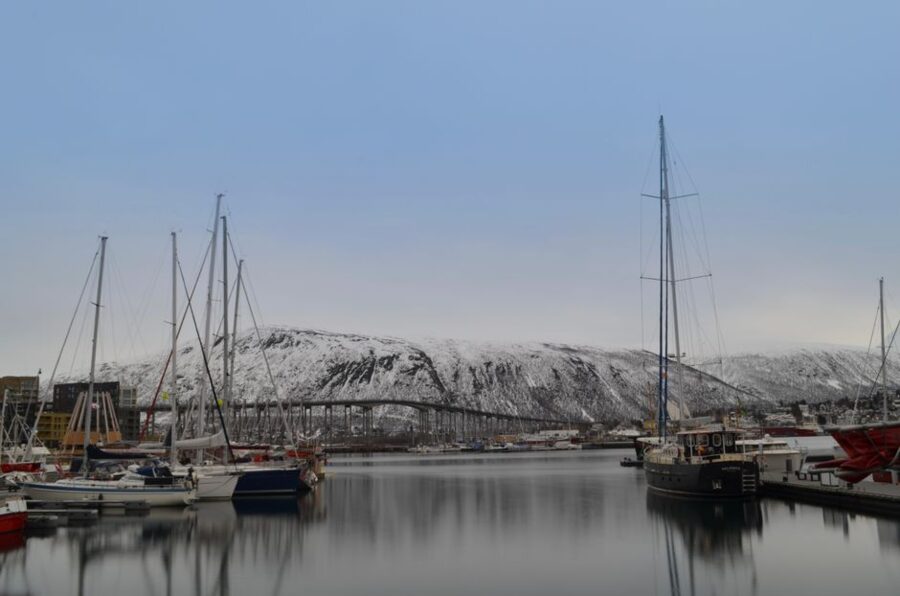
Many winter trips are sold in Tromsø: some leave from the city on larger boats, others drive guests north to Skjervøy for RIB trips. If you are still planning the trip north, the routes are in how to get to Tromsø.
The light is the constraint. By late November, a Skjervøy skipper told iTromsø in 2022, it was already too dark for two departures a day. RIBs are faster and closer to the water; large boats are warmer and steadier, and for a long day in the dark I would take the large boat.
The difficulty is traffic. When the herring is in, the same few square kilometres of fjord hold seine-net fishing boats, their nets, feeding whales and a crowd of tourist boats, private boats and boats hired from fishing camps. In November 2022 Fiskeridirektoratet’s sea service told iTromsø of “many dangerous and unfortunate episodes” and described boats chasing whales and pushing in between others. Its reminders have not stopped since: in January 2026 and again in October 2026 it published warnings after complaints about disturbing traffic near whales and fishing.
The rules, such as they are
Norway has a regulation on whale safari, the forskrift om utøvelse av hvalsafari from 2019, amended in 2022. It covers every activity aimed at watching whales, including swimming, diving and kayaking, and every boat that does it, private or commercial.
It forbids whale safari carried out “in a way that contributes to whales being disturbed in their natural habitat”. Its only distances are to fishing: boats must stay at least 370 metres from a vessel fishing, a seine or fixed gear, and swimmers, divers and paddlers at least 740 metres. It says nothing about how close you may get to a whale.
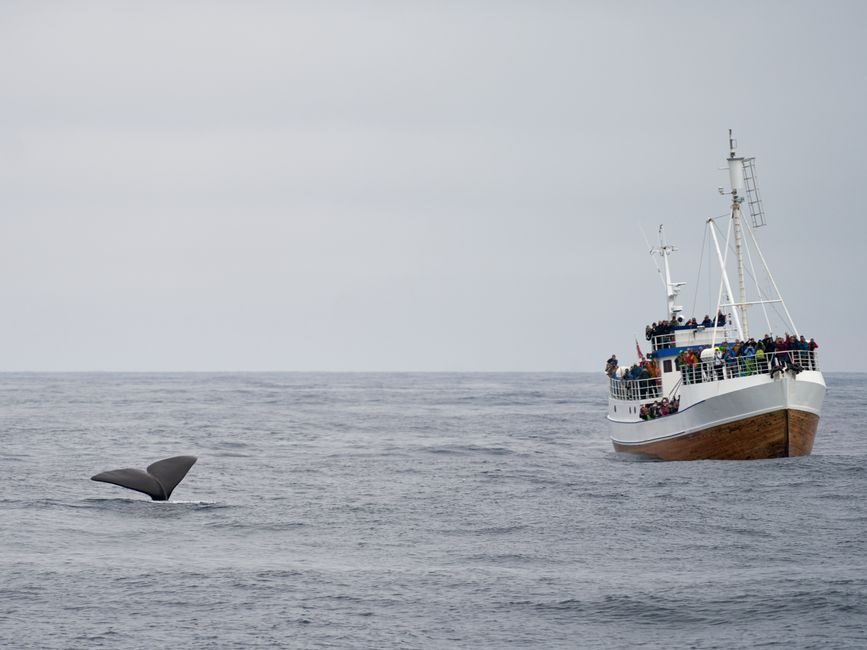
Fiskeridirektoratet says so itself. In its October 2026 notice, whale safari creates challenges, it calls the activity “little regulated”, notes that some countries have stricter rules, and points to Iceland’s codes of conduct as something Norway might look at, adding that the initiative ought to come from the tourism industry.
Its January 2026 reminder, whale safari on the whales’ terms, lists what it considers disturbing: chasing or cutting off whales, driving into groups, separating mothers and calves, surrounding whales with several boats, high speed towards them, and staying close for a long time. Slow down early and stop well away, it says. If the whales come to you, staying put is fine; limit how many boats do.
That is the standard to hold an operator to, and you can ask about it before you book: how close do they go, do they cut the engine, how many boats will they share a group with, and do they leave if it gets crowded. A guide on a Skjervøy RIB in 2022 told her passengers that if there were too many boats around a group, they would drive off and find another. That is the answer you want.
Summer at Andenes
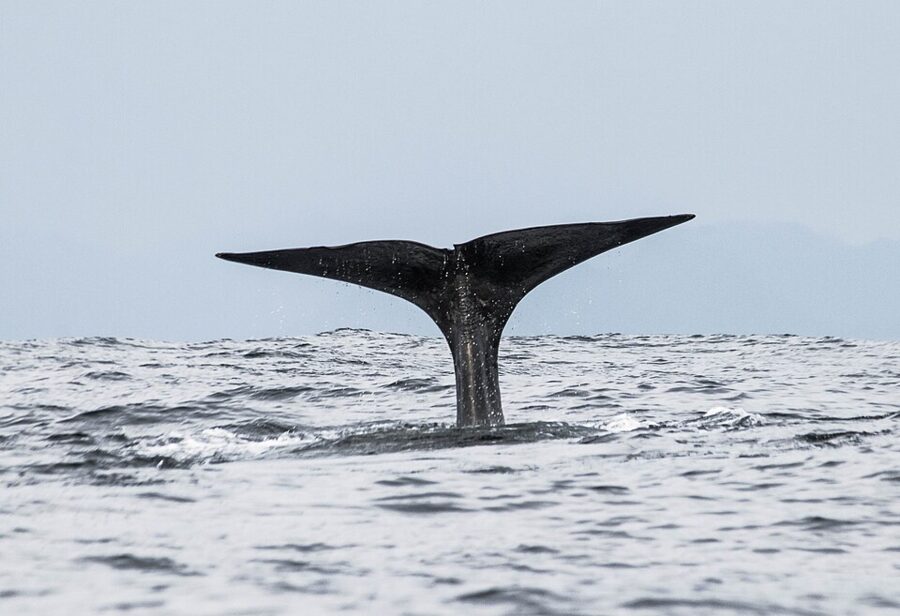
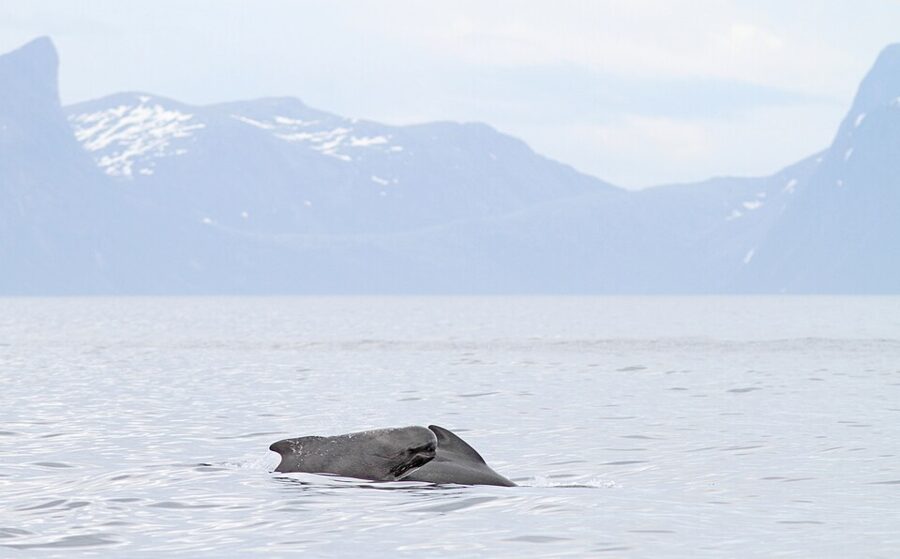
Andenes, at the north tip of Andøya in Vesterålen, is a detour worth making if you are driving from Tromsø to Lofoten. The whale trips there are older and calmer than the winter scramble. Whalesafari Andenes, which combines its trips with research and photo-identification, runs its main summer season from May to mid-September; sperm whales, mostly males, are what the trips are known for. Sperm whales dive for long stretches, so you spend most of a trip waiting, then watching a blow and a broad back for a few minutes before the tail goes up.


Norway also still hunts minke whales, and the same coast that sells whale watching lands whale meat; that story, and how the two industries live side by side, is in whaling in the Nordic countries.
Snorkelling with orcas
The most contested product on the coast is getting into the water with orcas. Operators in Skjervøy and around Tromsø kit guests out in drysuits, take them out by RIB and put them in near feeding or resting orcas. It is legal under the regulation as long as the whales are not disturbed and the swimmers keep 740 metres from fishing gear, and it is mainstream: Whalesafari Andenes, among others, sells snorkelling trips from Skjervøy in winter, from age 15 with an adult.
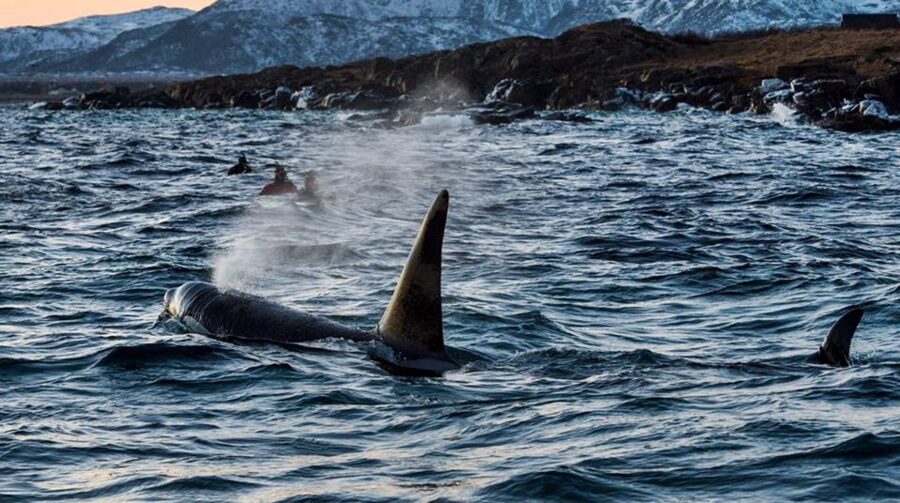

The case against is specific. Orcas come into the fjords to feed and rest, and the practice critics single out is a boat dropping swimmers into their path. In November 2022 iTromsø’s reporters watched two tourist RIBs keep a long distance from whales resting at the surface after a dive, while a third went in close and let out two divers a few metres from them; Fiskeridirektoratet’s adviser said there was no rule that clearly forbade it unless disturbance could be proved.
The founder of Sea Safari Andenes told the paper he had seen an operator throw snorkellers right in front of whales, one of which turned and swam away. A year earlier iTromsø had quoted tourists who counted more snorkellers than whales, and a marine biology doctoral student who counted 15 boats.
My view: a sighting from a boat that switches its engine off and lets the whales choose is a fine way to spend a winter day, and a swim depends on who runs it. If you want to snorkel, ask whether swimmers are placed ahead of moving whales (the wrong answer) or only enter the water when whales are milling or approaching, and whether the operator leaves when other boats crowd in. If you cannot get a clear answer, stay on the boat.
Polar bears and walrus in Svalbard
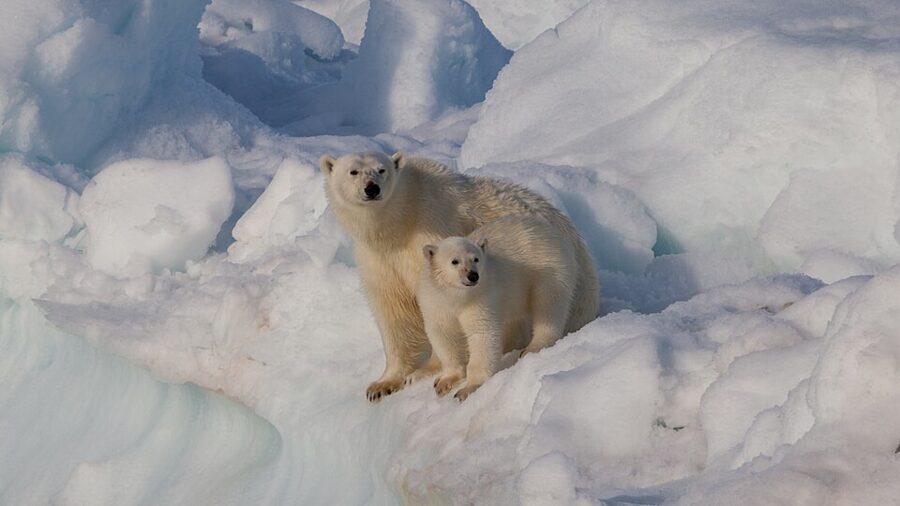
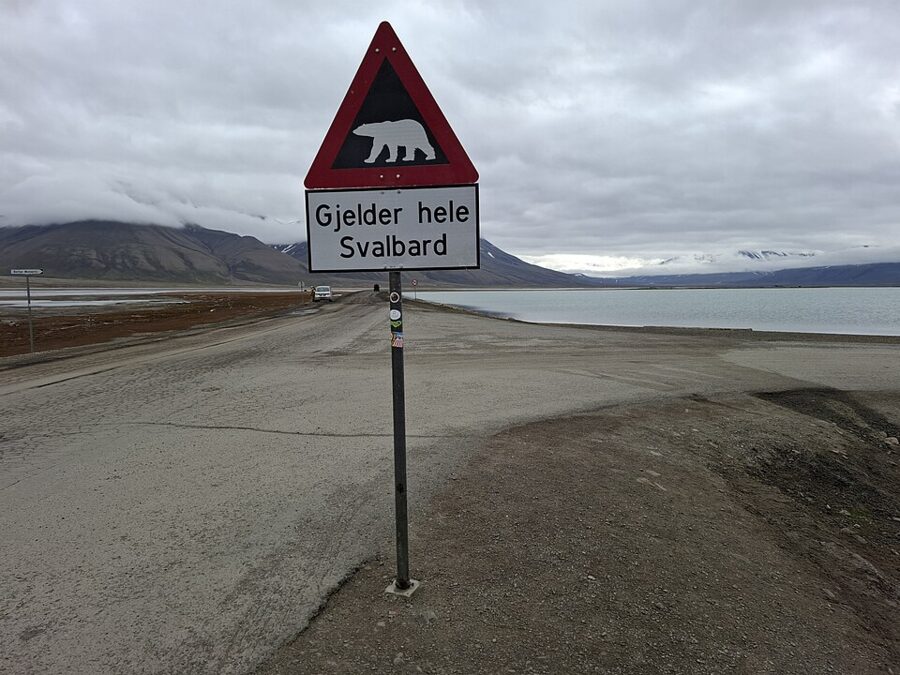
Svalbard changed its rules on 1 January 2025, and the change is the biggest shift in Arctic animal tourism in years. The Sysselmesteren, the Governor of Svalbard, set out the new Svalbard Environmental Protection Act provisions and regulations in its notice on the environmental rules in force from 1 January. For polar bears there is now a general ban on unnecessarily disturbing, attracting or pursuing them, and two fixed distances: at least 300 metres from a bear at all times, and at least 500 metres from 1 March to 30 June, when females with cubs come out of their dens. If you discover a bear at close range you must retreat, except in settlements, at research stations, cabins or tents.

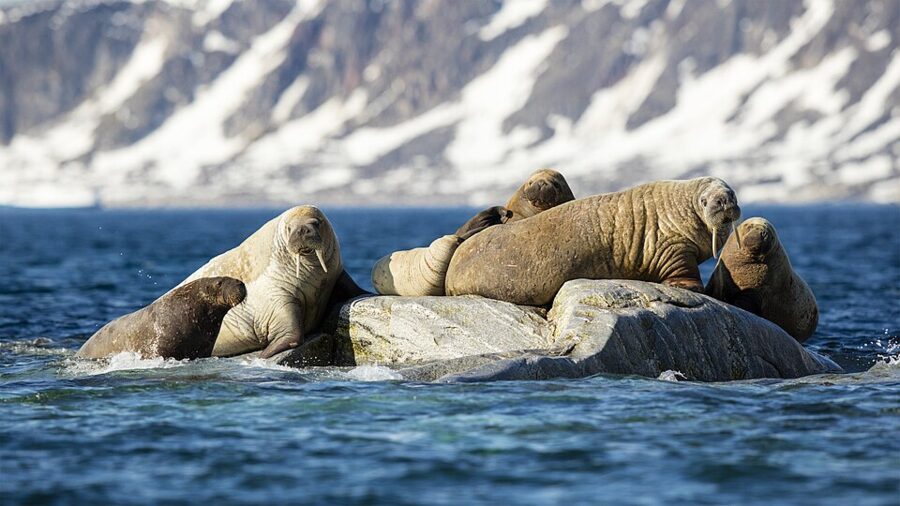
For boats the rules go further. Within 300 metres of a walrus haul-out the speed limit is 5 knots, and no boat may come closer than 150 metres. Near the mapped bird cliffs the same 5-knot limit applies within 500 metres of land from 1 April to 31 August. Breaking fast ice, the land-fast sea ice where ringed seals pup and bears hunt them, is banned.
Ships with more than 200 passengers may no longer call in the national parks. Tour groups may land in protected areas only at mapped landing sites and only with a guide, with a cap on how many people are ashore at once. Drones are banned in protected areas and within 500 metres of bird cliffs in summer.

Winter trips are covered too. The amended motor traffic regulation bans visitors from driving snowmobiles and tracked vehicles on the sea ice of Van Mijenfjorden, Van Keulenfjorden, Tempelfjorden, Billefjorden and Dicksonfjorden after 1 March, in the areas marked on its maps. Visitors may still cross Tempelfjorden and Billefjorden by the shortest safe route, with no stopping beyond what safety needs. Svalbardposten’s photograph of Tempelfjorden in 2023 showed the ice criss-crossed with snowmobile tracks.
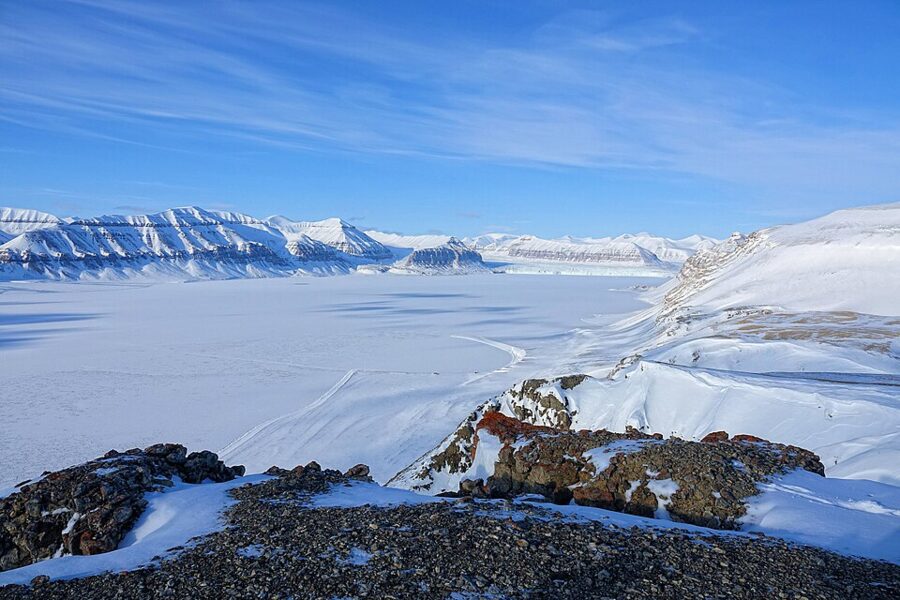

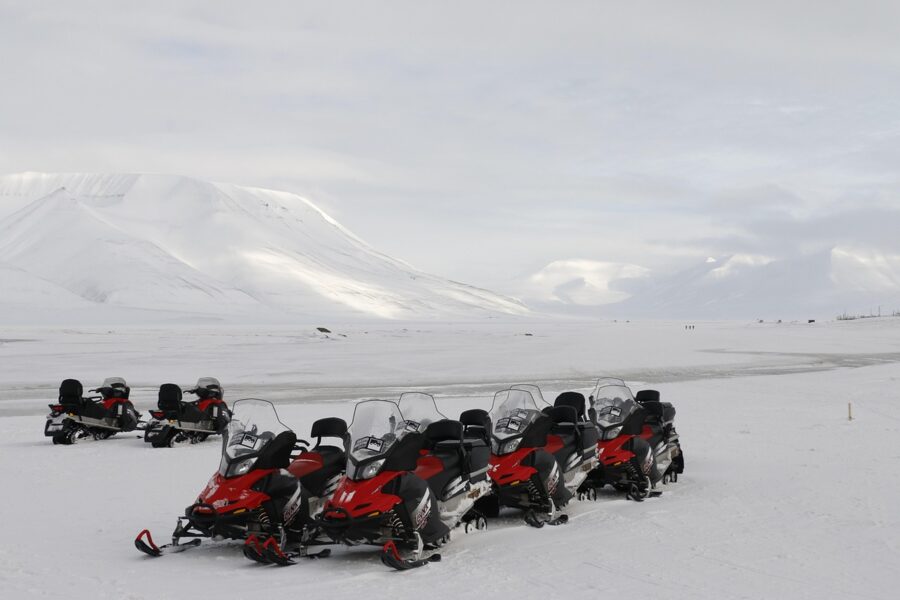
What this means in practice is that a decent Svalbard operator will not promise you a polar bear and will not take you looking for one. A boat that sights a bear keeps 300 or 500 metres and lets it go; a snowmobile group that meets one turns back. Not every company welcomed the rules. Either way, the bear photographs in a Svalbard brochure were probably taken before 2025, or with a very long lens.
The smaller ones
A handful of animal products sit outside the big four. Most raise fewer questions, and one of them ends up on your plate.
King crab safaris in Kirkenes
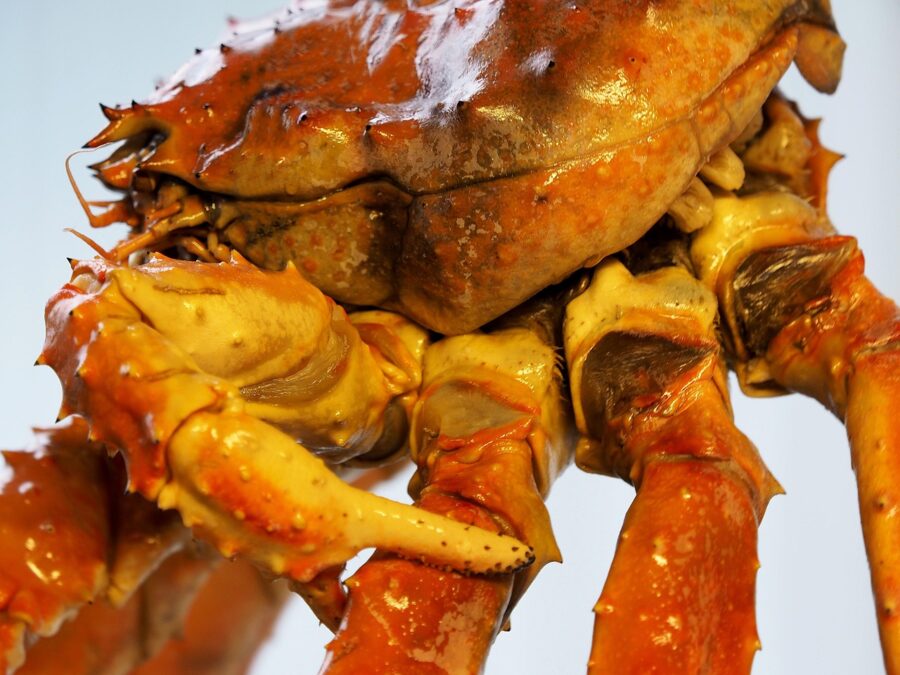
Around Kirkenes in Sør-Varanger, king crab safaris haul pots from the fjord and cook the catch: by RIB in summer, by a sled towed behind a snowmobile across the frozen fjord in winter, as Snow Resort Kirkenes runs them. The red king crab is not native here; it spread west along the coast from the Russian side after it was introduced to the Murmansk fjords. The welfare question is the same as for any shellfish you eat, and the crab is the menu, not the guest of honour.
Horse riding in Iceland
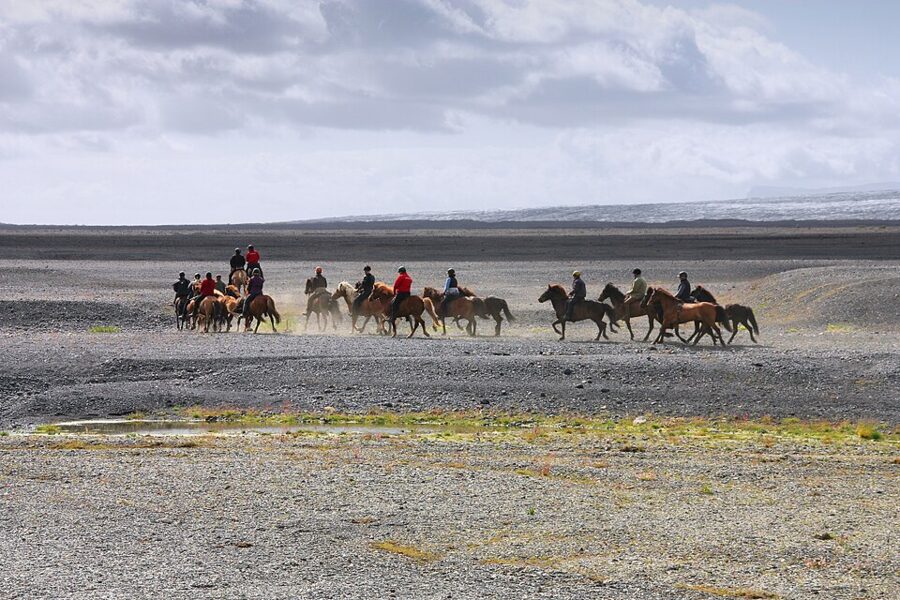
Iceland’s horses are a breed kept closed for centuries: no horses may be imported, and an Icelandic horse that leaves the country cannot come back. Riding tours are everywhere, from an hour on a farm to week-long treks, and most show off the tölt, the breed’s smooth four-beat gait. The questions are the ordinary ones for any riding stable: rider weight limits that are actually applied, horses with good feet and condition, rest days, and guides who match horses to riders rather than the other way round.

Wildlife parks: Polar Park and Ranua
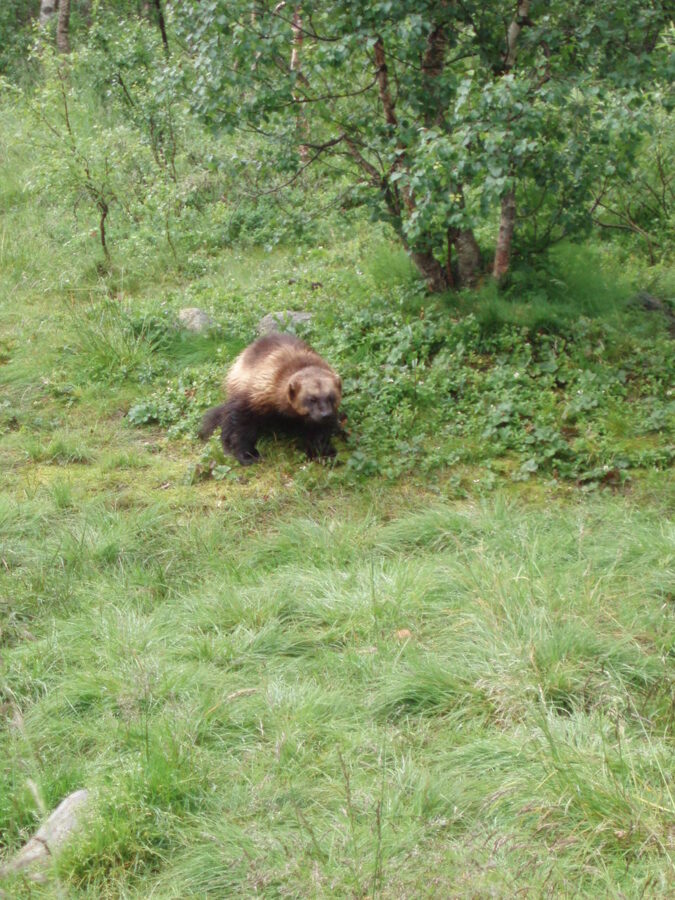
Polar Park in Bardu, inland from Narvik and Tromsø, calls itself the world’s northernmost animal park and keeps the north’s large predators, brown bear, wolf, wolverine and lynx, along with elk, reindeer and musk ox, in large forest enclosures. It sells guided visits and extras that take you inside the fence, including a meeting with its wolves. Ranua Wildlife Park, south of Rovaniemi, has around 50 Arctic species, polar bears among them, and moved to its winter season with daily programmes from 15 November 2026.
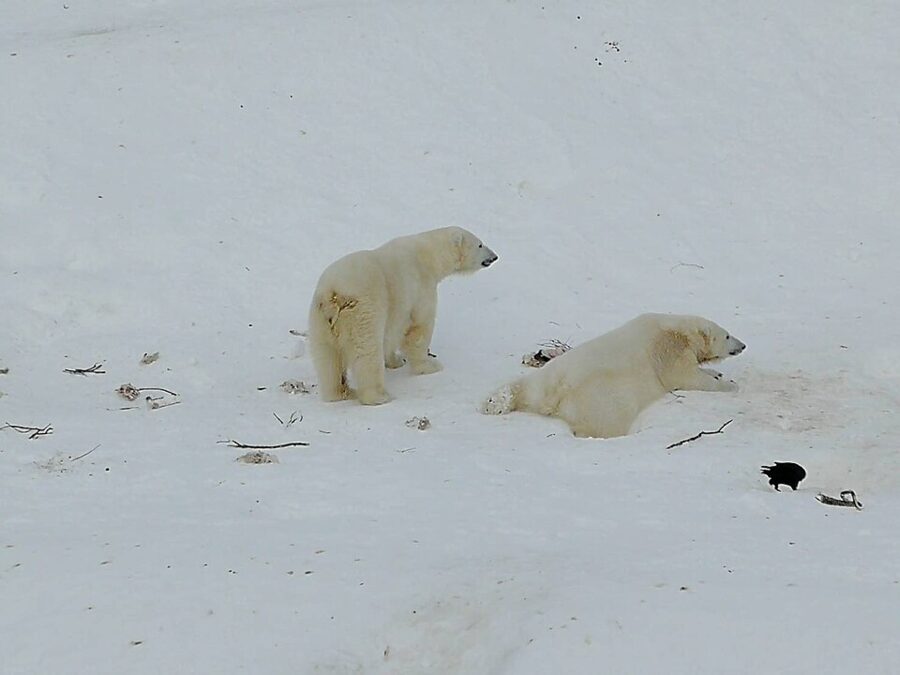

Both are zoos, with what that implies. Big enclosures in real forest are better than most, and they are the easiest way to see a lynx or, at Polar Park, a wolverine, animals you are very unlikely to meet in the wild. I would skip the in-the-enclosure extras with predators: the animal gets nothing from them.

Musk ox on Dovrefjell
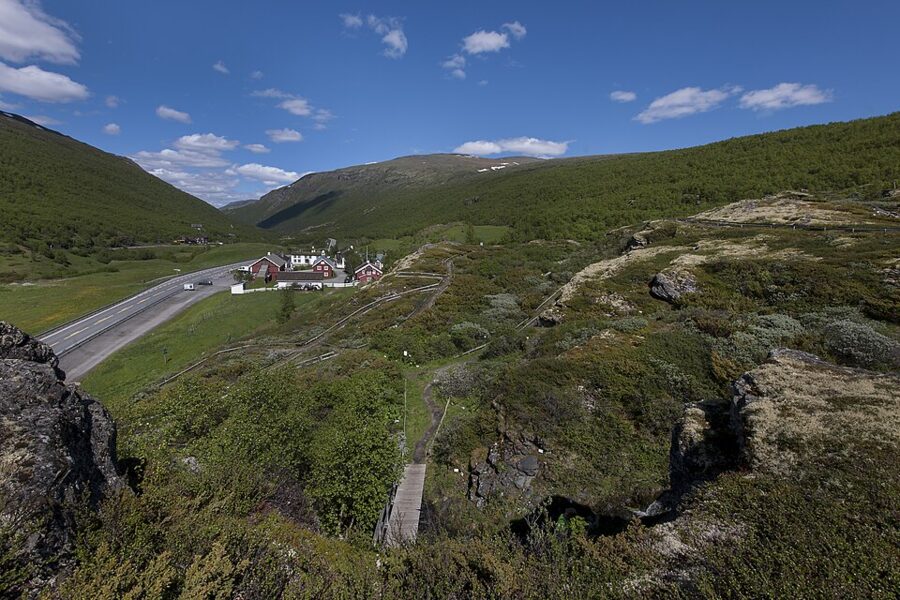
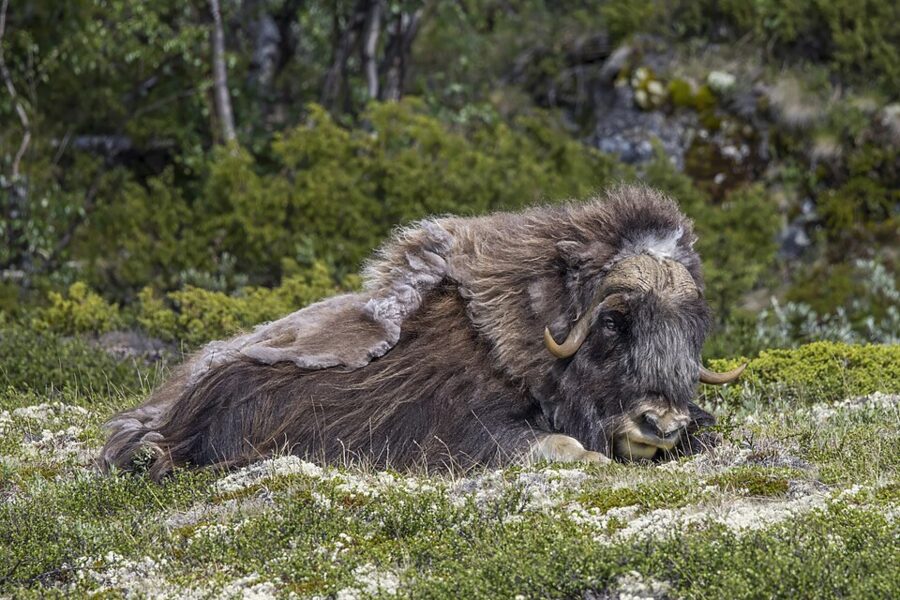
Norway’s only wild musk ox live on Dovrefjell, descended from animals brought from Greenland in the twentieth century. Guided musk ox safaris start from Kongsvoll, Grønbakken and Hjerkinn in summer, but you do not need one. The national park’s marked Moskusstien runs loops of 4.5 to 15 kilometres from Kongsvoll or Grønbakken, and the view from Høgsnyta often has animals in it.

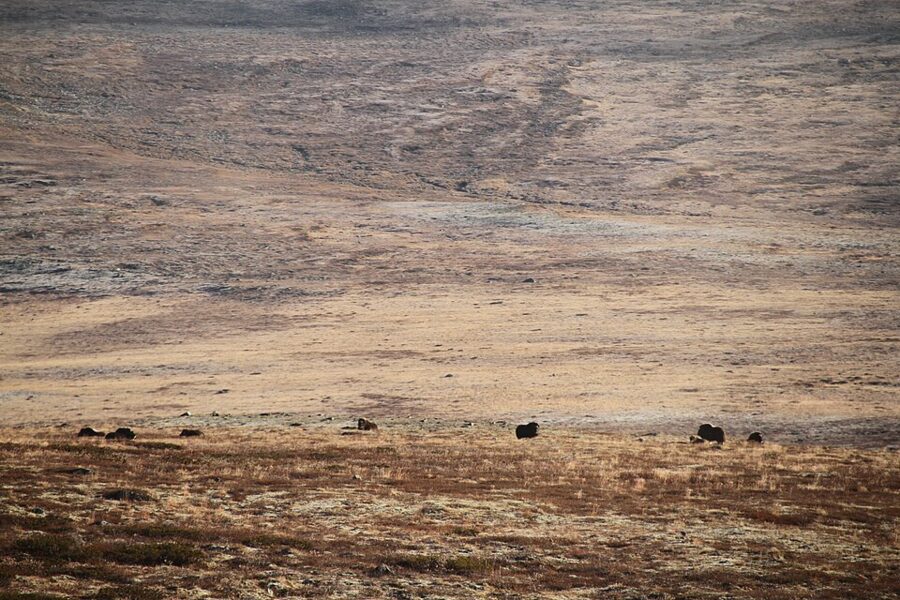

The park’s musk ox rules are the shortest animal code in the north and among the most useful. Keep 200 metres away. A grown bull can weigh 450 kilos and run at 60 km/h. Count the herd so a bull does not surprise you, never try to creep up, and if an animal paws the ground, tosses its head or snorts, back off the way you came.

How to choose, and when to skip the tour
Pulled together from everything above, these are the questions I would ask any animal operator in the north, by email before booking or at the kennel gate:
- Who owns the animals, and does the person you are talking to know them by name?
- Can I see where they live? A yard or farm you are not allowed to see is a reason to book elsewhere.
- What happens in bad weather or bad snow? The right answer involves shorter routes, changed plans or cancellation.
- What happens in summer, and at the end of a working life? Specific answers only.
- How close do you go, and what makes you leave? For whales, bears and walrus, this is the whole question.
- How many guests per animal, per sled, per boat? Volume is where welfare goes first.
- Is the business registered and inspected? In Finland any kennel with seven or more adult dogs must be; in Svalbard every tour operator works under the Sysselmesteren’s rules.
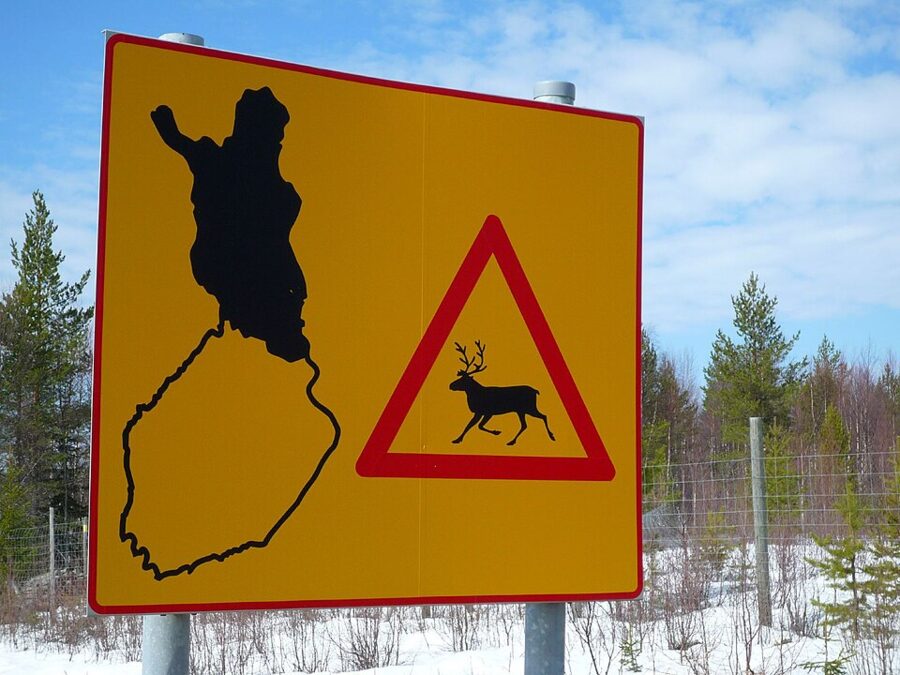
And there is a case for no tour at all. Reindeer are on the roads all winter across Finland’s herding area, so on a cabin holiday in Finnish Lapland you will almost certainly see them without paying anyone; the herders’ association warns drivers that the accident risk peaks in June and July and again from November to January. Dovrefjell’s musk ox are a walk from the car park at Kongsvoll. Sea eagles, elk and, with luck and a calm sea, a whale blow can all turn up from the coast road or the Hurtigruten deck.

Whatever the true count is now, Finland’s sled dogs will spend this winter in yards from Kilpisjärvi to Ruka, most of them decent ones. If you book a husky safari, ask the kennel the night before whether you can come early and see the yard in daylight. Look at the water bowls first.