

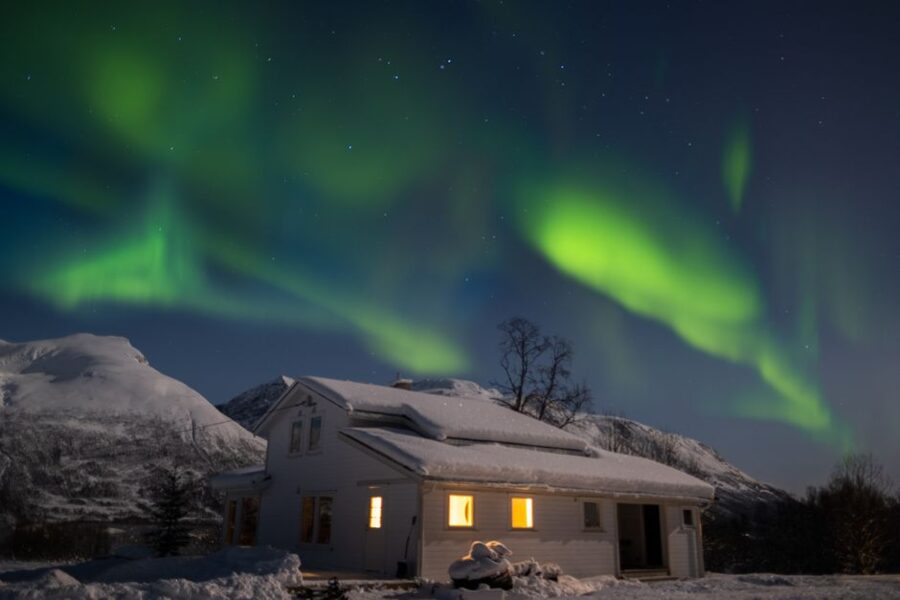
Tromsø’s hotels, campsites, cabins and hostels sold 1,306,969 guest nights in 2025, according to Statistics Norway’s accommodation tables, and that count leaves out every Airbnb on the island. In December alone the hotels sold 131,526 nights, nearly three in four of them to guests from abroad. In October 2026 the local paper Nordlys reported that more than 300,000 tourists were expected in winter 2026-27.
The town has noticed. In November 2025 NRK asked Tromsø’s party leaders whether the city had reached its limit, and one of them described tourists climbing onto verandas and filming into houses: “We are almost seen as animals in a zoo.” In January 2026 the municipality and the regional centre against work-related crime published a new guide for aurora tour operators. And on 28 October 2026 the government approved Tromsø’s plan for a besøksbidrag, a visitor contribution: from 1 January 2027 stays of under 30 days carry a charge of 3% of the price before VAT, under the visitor contribution act, and the money can only go on the shared things that crowds wear out, such as toilets, parking and paths.
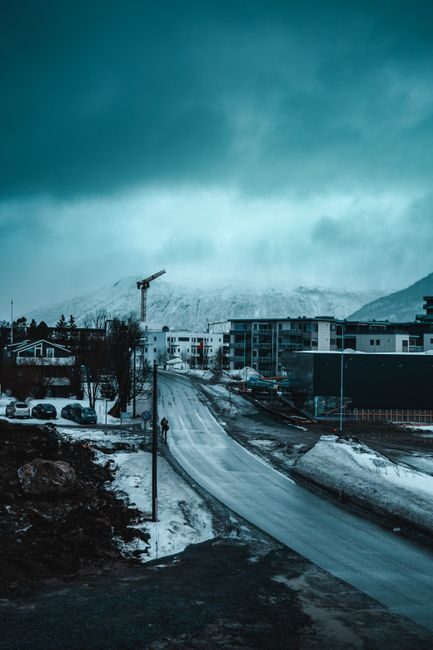
Very little of the friction is malice. It comes from not knowing a place where the pavement is ice for much of the winter, the road out of town is usually the only road, and the dark field with the good view of the sky is somebody’s hay meadow.
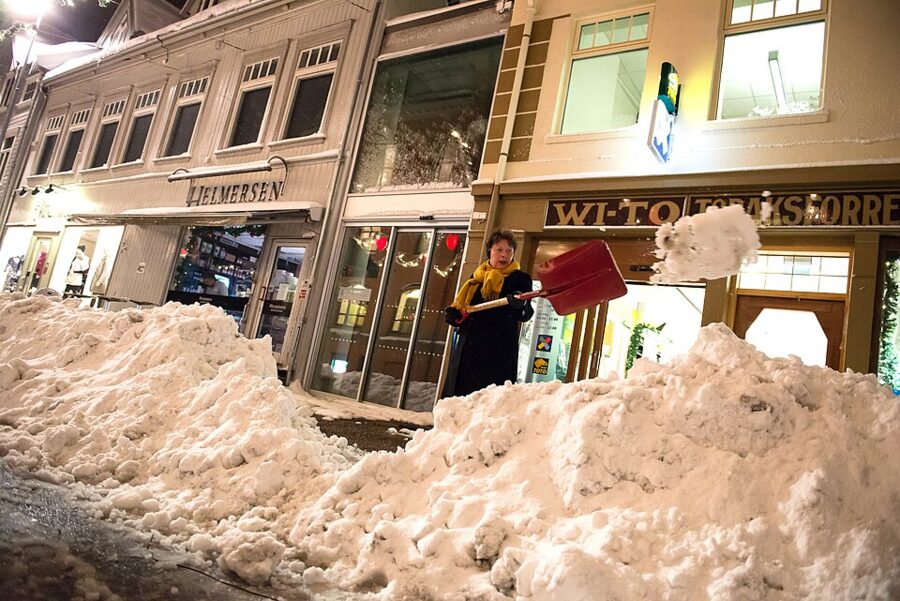

The sights, seasons and hotels are in the Tromsø guide, and flights, ships and buses in getting to Tromsø.
Contents 7 parts
The aurora: how not to chase it
The northern lights are the reason most winter guests come, and the reason for most of the complaints. The season runs from late August to early April, and all it asks for is darkness and a clear sky. The problems start with what people do to find the clear sky.
Don’t drive off alone into a winter night you don’t know
A hire car, a forecast app and a pin on a map of Kvaløya look like freedom. In practice you will be driving a car you do not know, on narrow roads you have never seen in daylight, on ice, looking at the sky instead of the road. The roads across Kvaløya, over Kattfjordeidet and Ersfjordeidet, are where the local news keeps reporting hire cars in ditches.
If you want to chase the lights yourself, do it on a second or third night, after you have driven the same roads in daylight. Otherwise take a tour, and choose it with care: Visit Tromsø’s northern lights guidelines start with “Always use a registered guide company”, and the police agree. In October and November 2025 the police in Troms fined two tour companies NOK 60,000 each, and banned the vehicle in each case for six months, for carrying paying guests without a passenger transport licence. In January 2026 a foreign national was arrested in Tromsø on suspicion of driving aurora tourists for money without the right papers.
The licence is not just paperwork. The municipality’s rules for tour vehicles require the car to be insured and registered for passenger transport and tested every year, and the drivers to have done a winter driving course. Ask the company for its organisation number before you pay, and be wary of cheap “private tours” that want cash.
Stopping in the lane for the photo
The aurora usually appears when you are moving, and the instinct is to stop where you are. On a two-lane road with snow banks on both sides, that is in the lane. The municipality’s guidelines for tour vehicles put it bluntly: hazard warning lights do not permit stopping for photos, and nobody should stop or park on the road or the roadside, “not even when the parking spaces are not plowed for snow”.
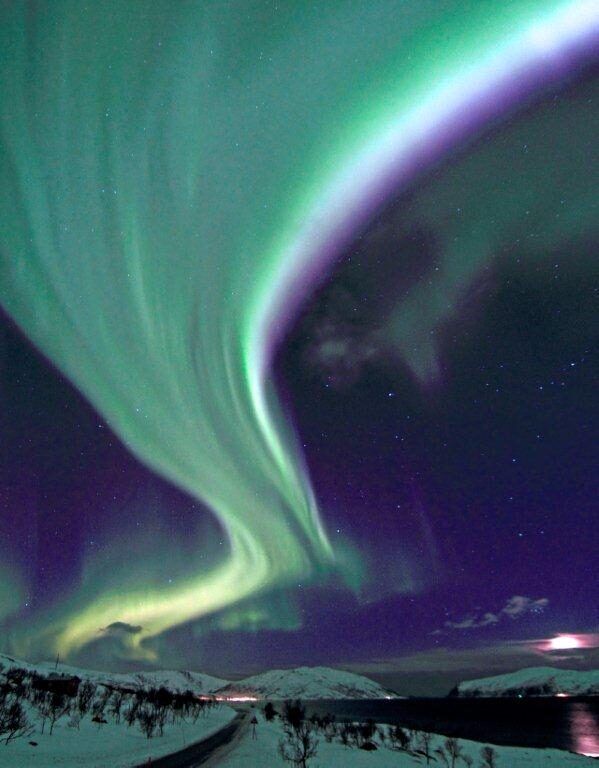

Lay-bys are not free either. Visit Tromsø asks people to respect the rest areas because lorry drivers use them for their legally required rest hours. A minibus of excited people with torches, at 01:00, beside a cab where a driver is trying to sleep before a ten-hour run, is exactly the scene that ends up in Nordlys.
Wear a reflective vest whenever you step out of a car on a road at night. The government’s winter road package of February 2026 proposed one for every person in a hire car, which tells you how often people have been standing in dark clothes on dark roads.
Gardens, fields and the toilet problem
Snow hides fences, hedges and the edge of a field, and a dark patch away from the street lights looks like open country. Often it is a garden, a pasture or a hay meadow that will be cut next summer. The Outdoor Recreation Act does let you cross frozen, snow-covered fields on foot between 15 October and 29 April, but never a farmyard, the plot around a house or a fenced garden, and owners can ban crossing gardens and sown fields where walking would do damage.
The other garden problem is the one nobody likes to write about. Rural Troms has very few public toilets, and the municipality’s guidelines tell operators to carry a toilet tent and take the waste away, because “rural areas are not meant to be your guests’ toilet”. Go before you leave town, and if a tour has no toilet plan for a six-hour night, ask why.
Don’t light a fire in a lay-by
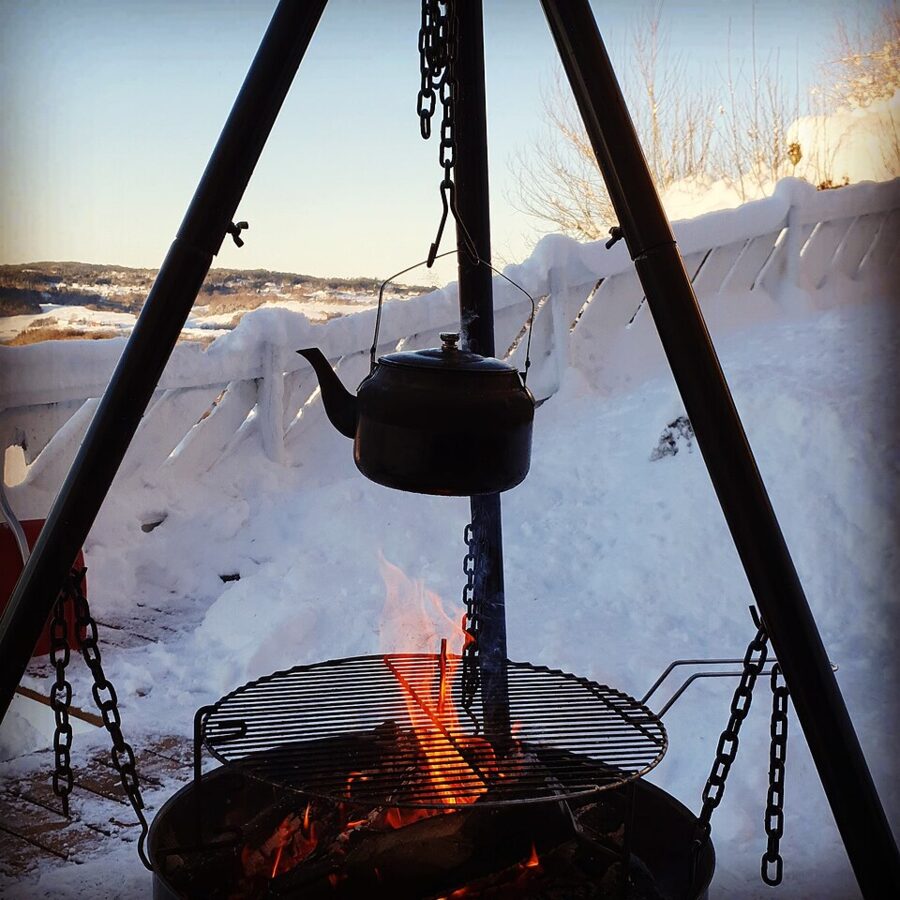
A fire on the snow feels harmless. It is not: the municipality points out that a fire burns through the snow to the ground and leaves black scars that show all summer, and that charcoal and half-burnt logs left behind damage car tyres and the blades of snowploughs. Fires on roads, in parking areas and in lay-bys are a no, and Visit Tromsø asks for at least 10 metres between any fire and a vehicle.
If you want a fire, use a proper fire pit or a fire pan, bring firewood rather than cutting it, keep it small, and leave nothing: no ash, no wood, no tea lights. From 15 April to 15 September fires are only allowed in established fire pits.

Drones, with the airport next door
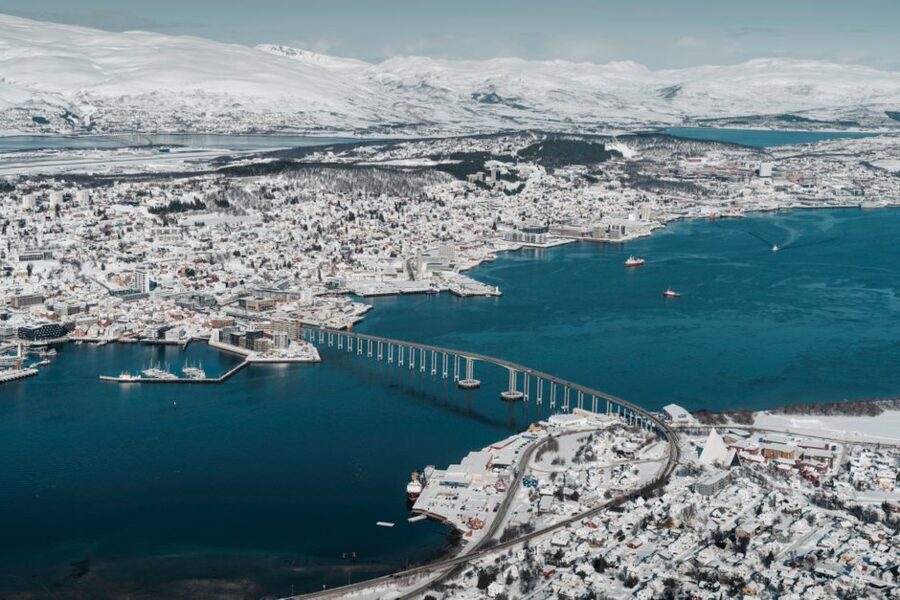
Tromsø Airport is on the same island as the town. Drones may not fly within 5 km of an airport without permission from the control tower, which puts the centre, the lake at Prestvannet and most of northern Tromsøya off limits unless you have asked. The civil aviation authority’s page on no-drone zones lists the app most airports use for that, and you also need the landowner’s permission to take off and land.
The paperwork catches people out even outside the zone. Visiting operators must be registered in Norway or an EU country, hold an EASA certificate for their category, mark the drone with their operator number and carry insurance for anything over 250 grams. Before flying with a camera you must also register the use of photos and video with the Norwegian National Security Authority. Illegal flights can mean a fine and a confiscated drone.
Guarantees, and the one-night gamble
Nobody controls the sun or the cloud, and the coast around Tromsø is often cloudy. Some operators offer a discount or a free second trip if you see nothing; read what the terms actually promise, because a guarantee is about money, not the sky. A guide who drives you to Finland on a cloudy night has done the job, even if it feels like a long way for a coffee at a petrol station.
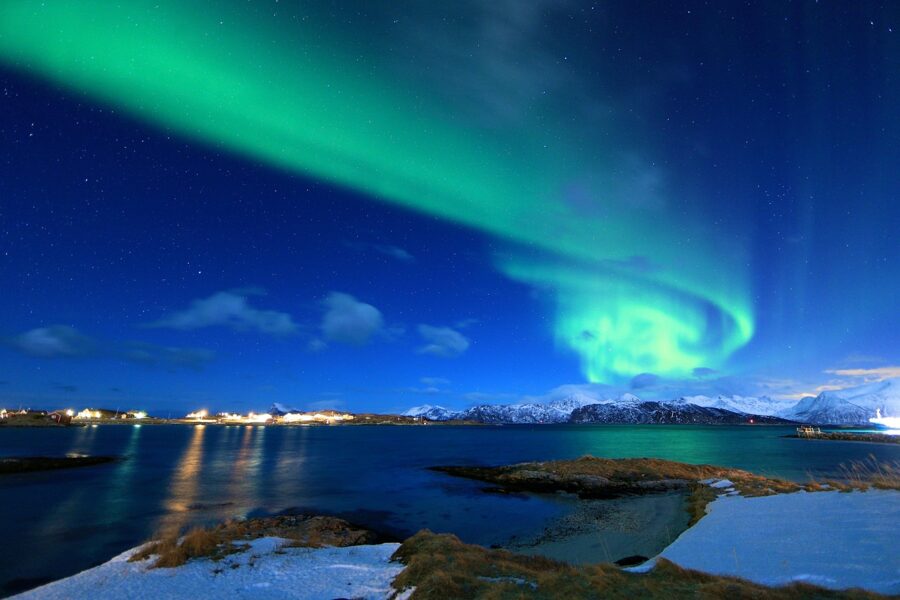
The single best way to improve your odds is time. Every extra night is another roll of the dice for both activity and a gap in the cloud, so I would not come for fewer than three, and I would book the aurora tour for the first evening, leaving the others free to rebook if it clouds over. And look up from town too: on strong nights the lights are visible over the street lights, and darker spots such as Prestvannet are a short bus ride from the centre.
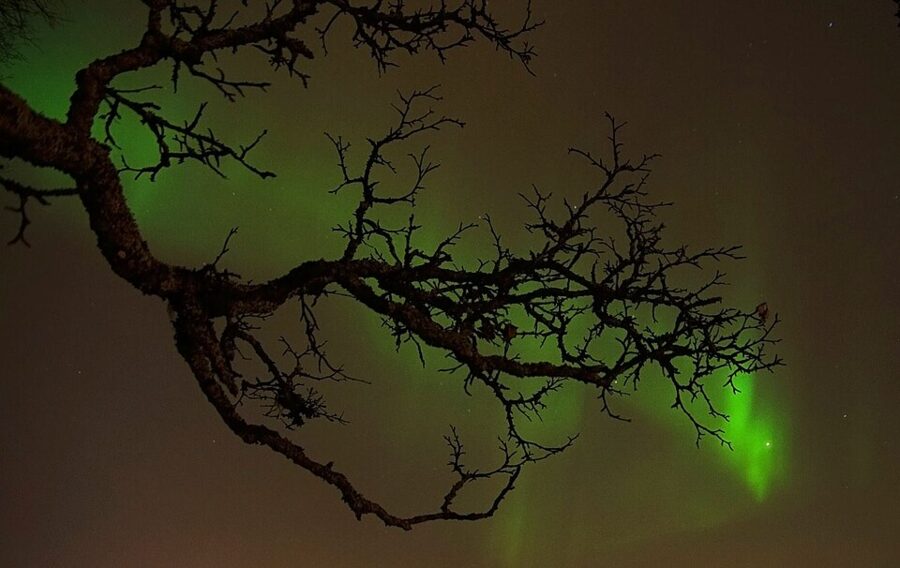

For where else in the north the odds are better or worse, see the best places to see the northern lights.
The cold and the ice
Tromsø is not especially cold. Visit Tromsø puts the winter average at −4 °C, and the sea keeps the town milder than the inland valleys. That is the problem: the temperature crosses zero again and again, and every thaw that freezes overnight turns the streets into a rink.
Don’t walk the steep streets without brodder
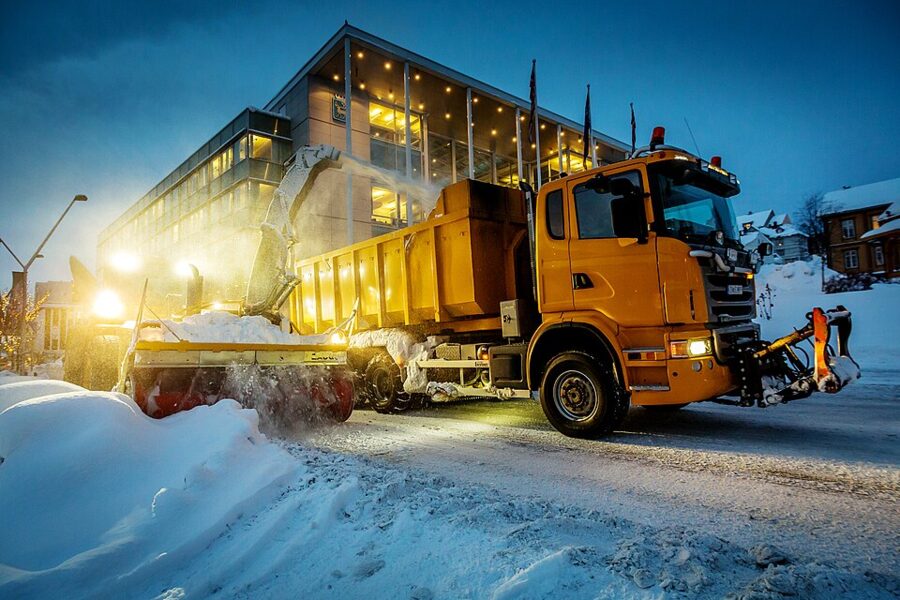
The centre runs uphill from the harbour, and the side streets are short and steep. The municipality ploughs and grits, but between snowfalls the surface melts, refreezes and polishes. Smooth-soled boots, trainers and fashion boots are useless on it.
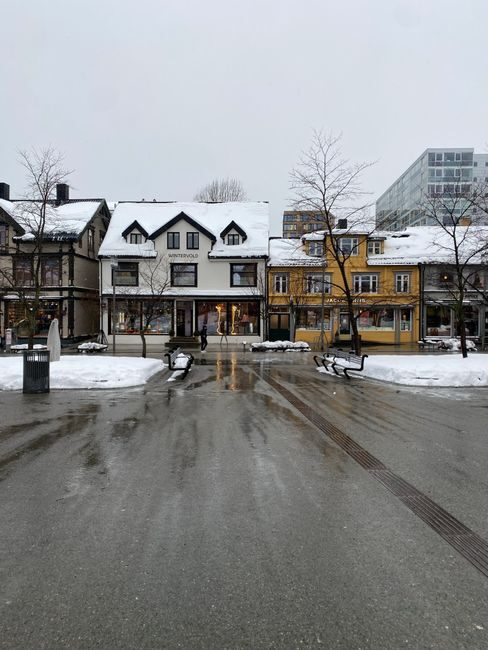
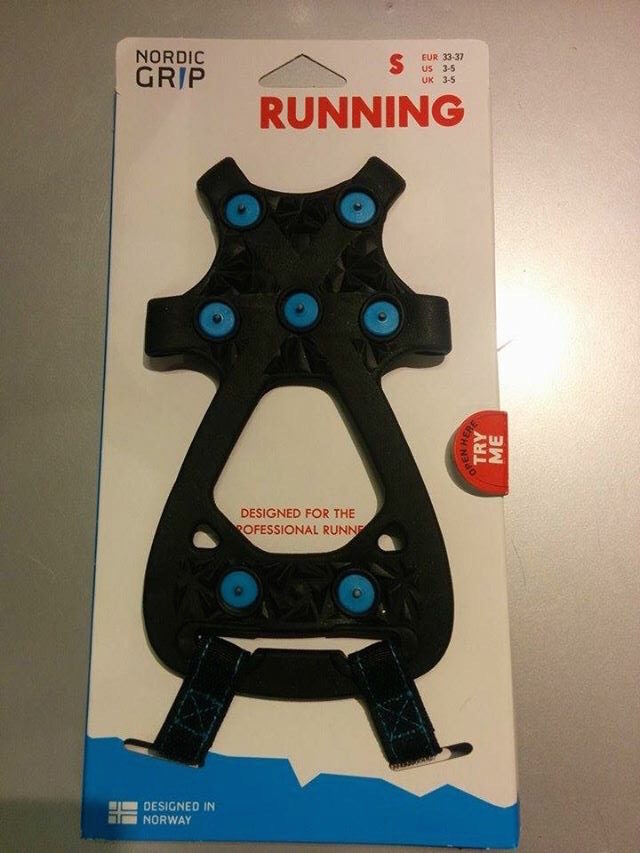
Locals wear brodder, rubber cradles with metal studs that stretch over ordinary shoes, all winter. Visit Tromsø says they are sold in shoe shops, sports shops and at the tourist information. Buy a pair on your first day, put them on outside, and take them off at the door of museums, hotels and shops: the studs ruin floors, and on tiled floors they are as slippery as ice.

Walk flat-footed, with short steps, and treat stairs and the slope down to the harbour with suspicion. Gravel spread by the municipality helps, but only where it has not been buried by the next snowfall.

Cotton next to the skin
Cotton holds sweat. You walk uphill to a viewpoint, warm up, then stand still for an hour in a damp layer that pulls heat out of you. Visit Tromsø’s clothing advice starts with woollen base layers next to the skin, and the locals do the same: wool long johns and a wool top, a fleece or wool jumper, a windproof outer layer, then hat, scarf and mittens. Boots should be big enough for an extra pair of wool socks.
Most aurora, husky and snowmobile tours lend thermal suits and boots. Check what yours includes before buying a down jacket you will wear once.
Wind chill on the open coast
−4 °C in still air is pleasant. The same temperature with wind off the sea is not, and a viewpoint on the outer coast is chosen for its open sky, which also means no shelter. By the standard wind-chill formula used by weather services, −10 °C in a 10 metres-per-second wind feels like about −20 °C on exposed skin.
Visit Tromsø tells people on aurora tours to be ready for anything from −25 °C to 5 °C. Check the forecast’s wind figure as well as the temperature, keep your phone in an inside pocket because cold drains batteries fast, and put on the extra layer when you stop, not when you start to shiver.
Don’t walk on sea ice or frozen lakes
Salt water makes poor ice. Where a fjord near Tromsø does freeze, it is because fresh river water dilutes the sea, and the result is weaker than lake ice of the same thickness, uneven, and lifted and cracked by the tide twice a day. Stay off it.
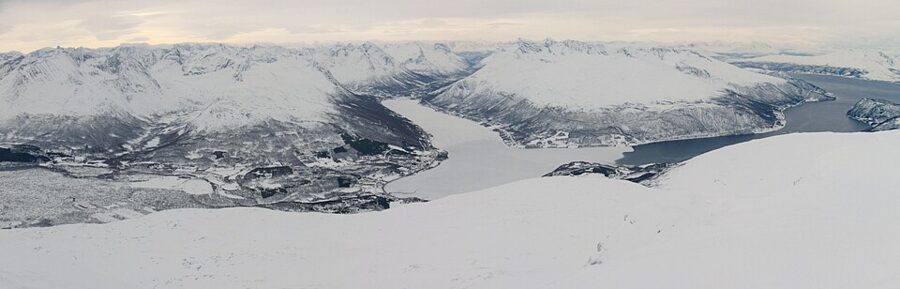
Frozen lakes are a different matter, and also a gamble: Prestvannet, the lake on top of Tromsøya, is skated on in good years, but the municipality and the police have warned people off it in seasons when the ice was unsafe.
The rule is simple. If locals are not on the ice, you should not be either, and a warning sign beside a lake means what it says. In November 2025, for the record, a car of tourists drove onto the floodlit ski track beside Prestvannet and got stuck. Which is as good an introduction to driving here as any.
Driving: the roads are the risk
An estimated 50,000-plus hire contracts were signed at Tromsø Airport in 2025, according to a winter 2026 survey for Tenk Tromsø, the town’s transport partnership. The same survey found that nearly 70% of tourists’ journeys by road were made with a professional at the wheel, but that 59% of Airbnb guests hired a car, against 43% of hotel guests.
Don’t hire a car if you have never driven on ice
On 29 December 2025 a tourist slid into the ditch on Kattfjordeidet on Kvaløya. Two hours later the same driver went into the ditch again on Ersfjordeidet, after pulling over too far for oncoming traffic, and then decided to hand the car back. Nobody was hurt, which is the good version of that story.
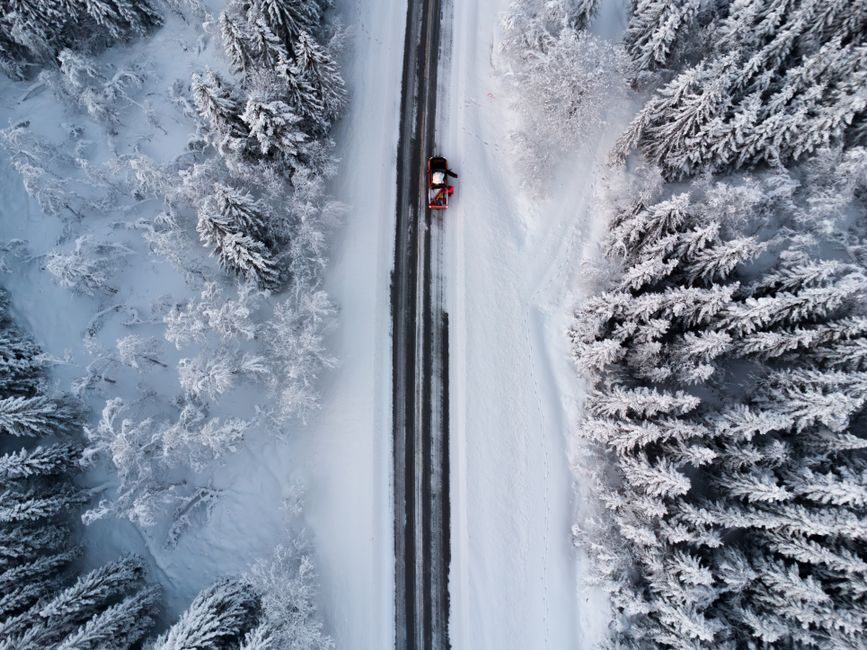
After a serious crash in Tjeldsund in January 2026, Statens vegvesen, the roads authority, gathered a task force, and in February the transport minister announced what came of it: more roadside checks, more traffic police, an industry standard for winter equipment on hire cars, and better information from the booking to the rental desk. The best advice is still the roads authority’s own, on its page about driving on winter roads: learn the car before you drive it, keep well to the right, use low gears on steep downhills, never use cruise control on unfamiliar winter roads, and let others past.
Visit Tromsø’s page on road conditions goes further and suggests that anyone without winter experience use buses and tours instead. I agree. In Tromsø you need a car for very little in winter that a bus or a tour cannot do better, and the coast roads to Lofoten are a different trip with different rules, covered in Tromsø to Lofoten.
Blind bends and crests
The rule for aurora stops applies all day. Blind bends, the crest of a hill and the narrow stretch before a tunnel are where people stop for the view, because that is where the view opens up. Drive on to a marked parking area, and if there isn’t one, keep driving.
Reindeer and elk in the lane
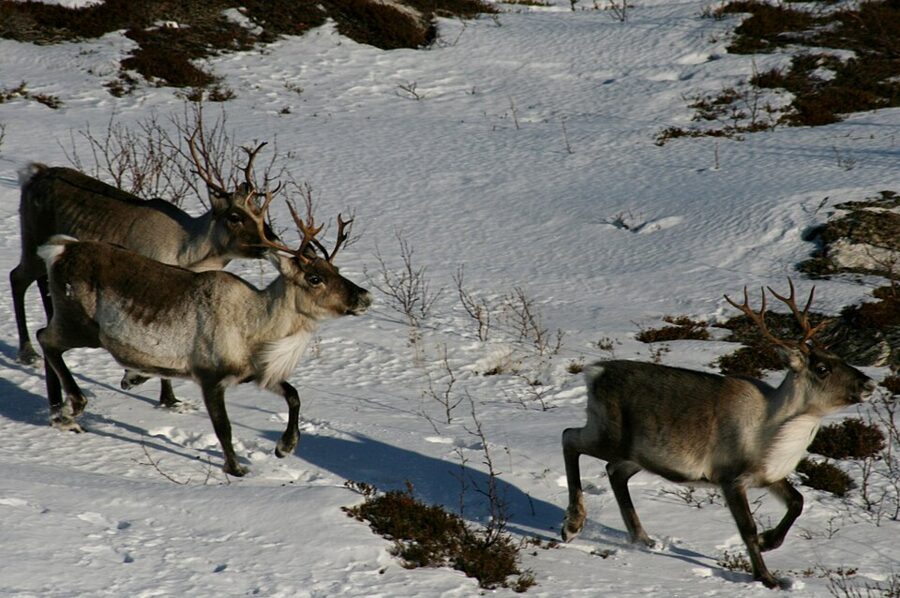

Reindeer graze the islands around Tromsø, and they like roads: they are flat, cleared, and the salt attracts them. They stand in the lane at dusk and are slow to get out of the way. Elk are bigger, faster and harder to see, and the roads authority says most elk collisions happen between autumn and spring, at dusk and dawn, especially after heavy snow.
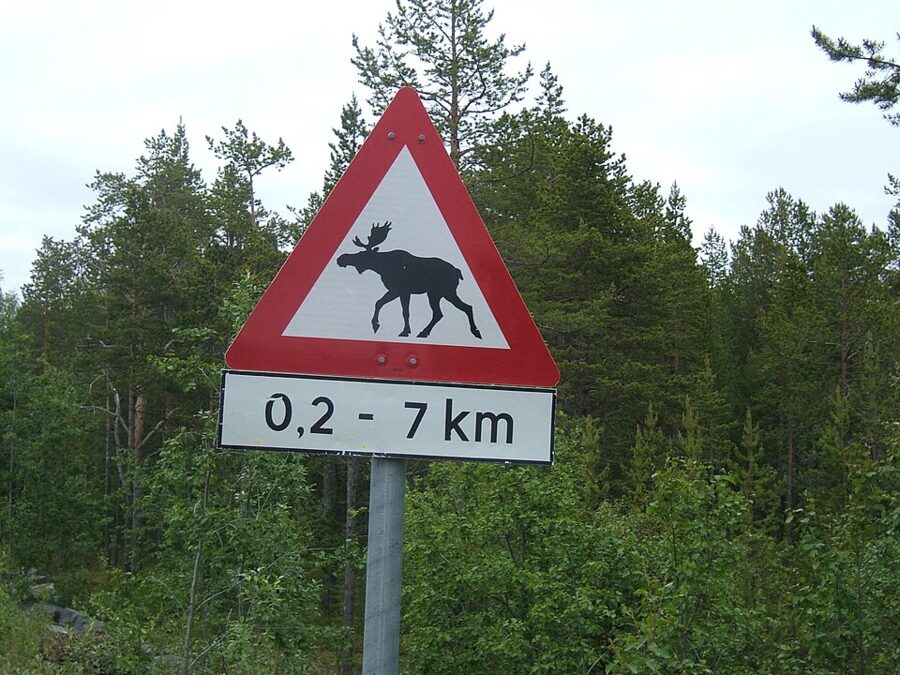

If you hit an animal, the collision is not an offence but not reporting it is. The roads authority’s page on duties after hitting an animal says to call the police, set up the warning triangle, mark the spot, and never chase an injured animal; the police pass the report on to the people who deal with it. The reindeer here are not wild: each one is someone’s property and income, and a dead one on the verge is a loss to a herding family.
Don’t ignore convoys and closures
When the weather closes in on a mountain road, Statens vegvesen either shuts it or runs a kolonnekjøring, a convoy behind a snowplough. The rules are on its page about driving in a convoy: full tank or battery, hazard lights on, keep the car in front in sight, never overtake, leave or turn round, and never get out of the car if the convoy stops. There are no fuel or charging stations on convoy routes, and the crew can refuse a car with poor tyres or a driver without warm clothes.
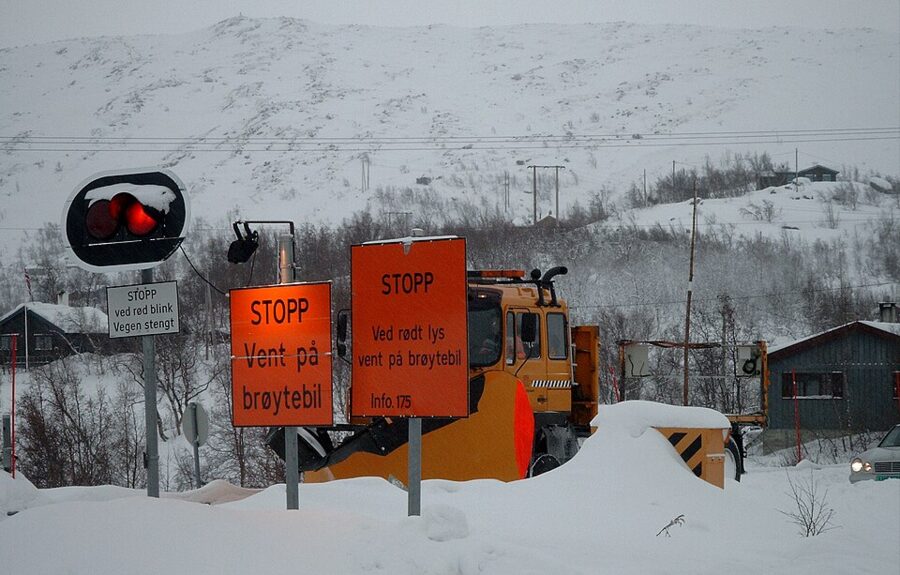

Check the roads authority’s traffic information before any trip out of town, every time. In Troms, winter tyres must have at least 3 mm of tread from 16 October to 30 April.
Ploughed space that isn’t yours
Ploughed space is precious in winter. A cleared turning area at the end of a road, a farm track or the space in front of a garage looks empty because someone paid to have it cleared. Private road owners can ban traffic altogether. Park only in marked spaces, and if the space is not ploughed, that is not an invitation to park on the road instead.
The mountains: steeper than they look
The mountains around Tromsø are close and very steep, and from the centre you can see slopes that are textbook avalanche terrain.
Don’t walk into avalanche terrain
NVE, the Norwegian Water Resources and Energy Directorate, publishes daily avalanche warnings on varsom.no before 16:00 every day from 1 December to 31 May, and Tromsø has its own forecast region. In the 2025–26 season the Tromsø region was at level 3, considerable, on 34 of 182 days, and at level 2, moderate, on 103 more. A “moderate” day is not a safe day; it means avalanches can be triggered on the wrong slope.
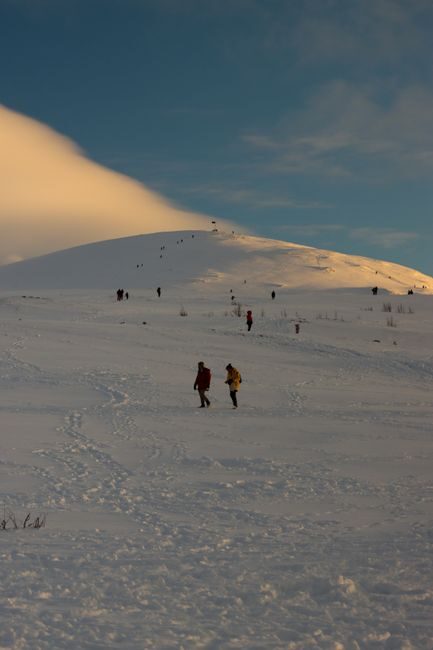
Snowshoe walks on gentle, wooded ground are fine. Steep open slopes, gullies and anything under them are not, without avalanche training, a transceiver, a probe, a shovel and someone who knows how to use them. Ski tracks going up a slope tell you that someone went there, not that it was safe. If you want the high mountains in winter, go with a guide whose trips are planned against the varsom forecast.
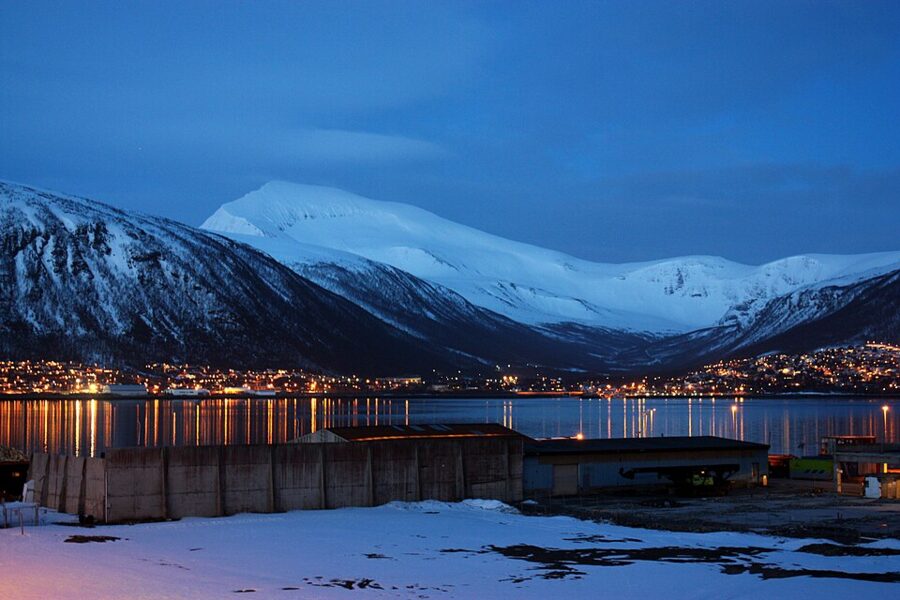

The Sherpatrappa in ice
Fjellheisen, the cable car from Tromsdalen, climbs to Storsteinen at 421 metres in four minutes, and its own site lists cars every hour and half-hour, open until midnight. Building work on a new Fjellheisen is under way, so there is no parking at the lower station; a free temporary car park is about five minutes’ walk away, and from 30 November a shuttle bus from the Scandic Ishavshotel in the centre is included in the ticket, the last one back leaving the mountain at 22:15.
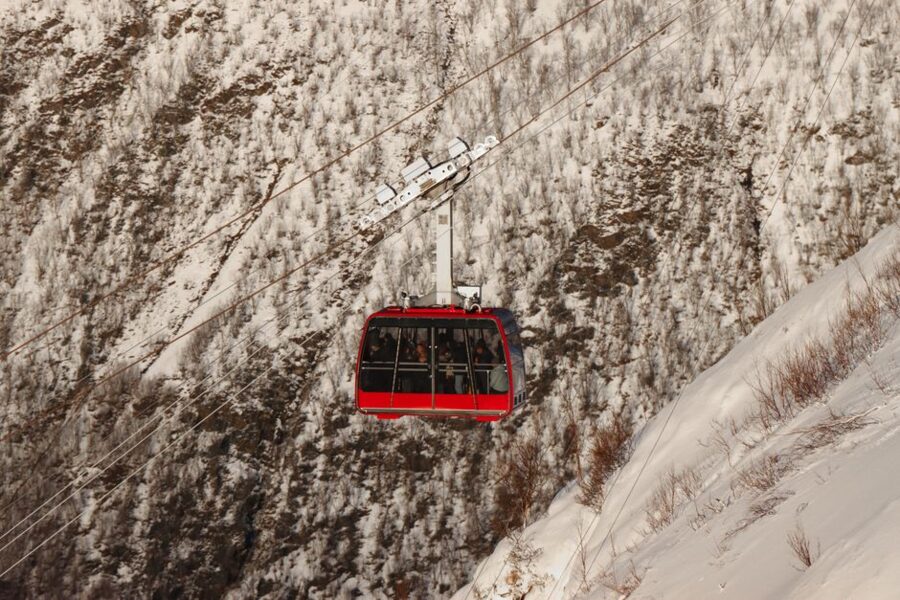
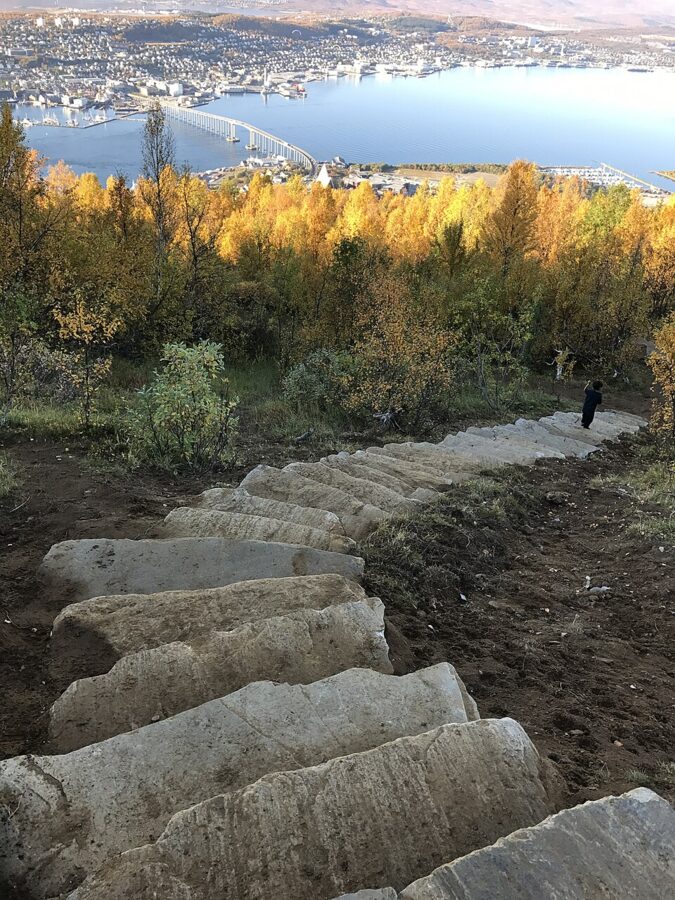
Beside it runs the Sherpatrappa, a stone staircase of about 1,200 steps laid by Sherpas from Nepal. In summer it is a favourite local workout. In winter it is a long, steep flight of uneven stone under ice and packed snow, and callouts there are nothing new: in March 2026, with the cable car closed, rescuers told Nordlys they feared a run of accidents as tourists headed for the stairs, after a winter in which the rescue helicopter and volunteers had already been called out for everything from sledging crashes to broken bones. Take the cable car up, and take it down too.

Don’t go up without telling anyone
Leave your route and expected return time with someone, and keep to it. Days are short or absent: the sun does not rise from late November to mid-January, and even in early February the usable light lasts only a few hours. Carry a head torch, a spare layer, food, a hot drink and a fully charged phone in an inside pocket. The emergency number is 112.
Summer, when the light never sends you home
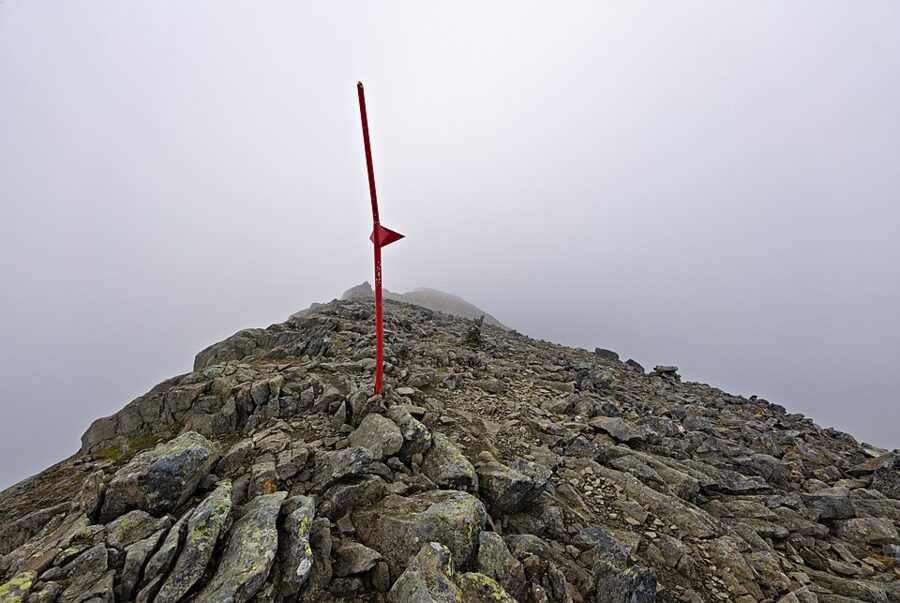
From about 20 May to 22 July the sun does not set. That removes the one thing that sends people home from a walk, so it is easy to start a long hike at 20:00, get tired, and be caught out by weather that changes quickly and is always colder on the tops. Snow and cornices hang on Tromsdalstinden, 1,238 metres, into early summer; keep to the marked route and away from the edge.
Money and expectations
High season without bookings
December to March is full. Tromsø’s hotels sold 123,860 nights in January 2026, a quarter more than two years earlier, and tours and hire cars fill up with them; even the cable car works with booked time slots. Book your bed and the one tour that matters most before you fly, and keep the rest of the trip flexible for the weather.
Cash: rarely needed, still protected
Norway pays by card and phone. You will rarely need cash, but you are entitled to use it: since 1 October 2024 shops, restaurants, hotels and other businesses selling from a permanent premises must accept cash for purchases up to NOK 20,000, according to the Consumer Authority’s guidance. The duty does not cover fully self-service shops, vending machines, outdoor stalls and kiosks, or anything you book online, which is how almost every tour is sold.
Bring a card that works abroad without fees, and a little cash for the odd stall or for a phone that has died in the cold.
Don’t plan a drinks run on a Sunday
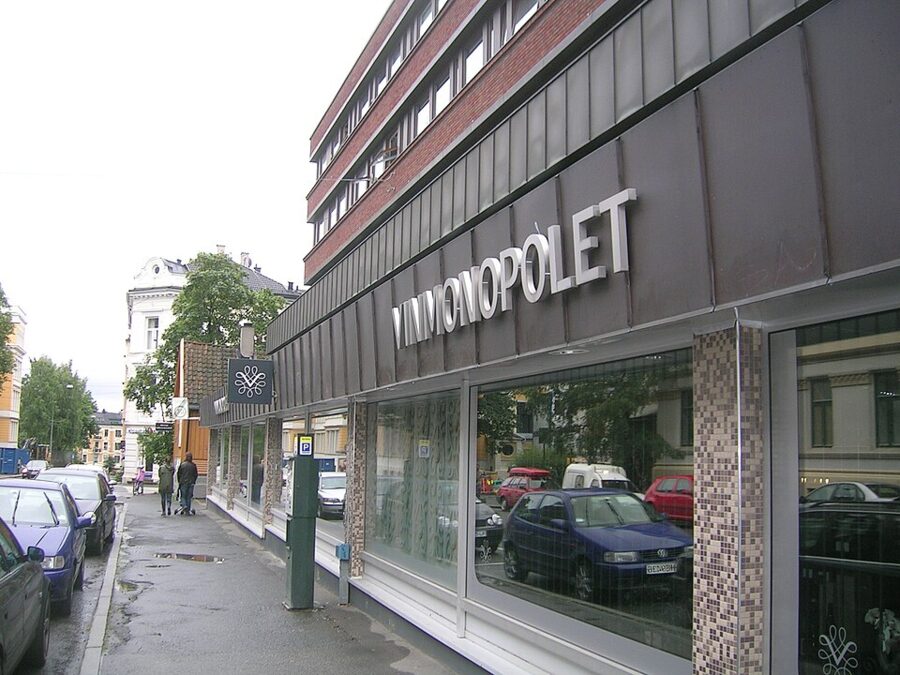
Wine, spirits and strong beer are sold only by Vinmonopolet, the state shop. Tromsø has three, in the centre at Nerstranda, at the Jekta shopping centre at Langnes and in Tromsdalen, and for late November 2026 all list 10:00–18:00 on weekdays, 10:00–16:00 on Saturdays, and closed on Sundays and Christmas Eve. Supermarkets sell beer up to 4.7%, within hours the municipality sets but never after 20:00 on weekdays or 18:00 on Saturdays, and not at all on Sundays and public holidays, under the Alcohol Act.
Bars and restaurants serve as normal, at Norwegian prices. Plan Saturday’s shopping before 16:00.

The polar night is not pitch black
The mørketid, the dark season, scares people off or brings them for the wrong reasons. The sun does not rise in Tromsø from 28 November 2026 to 14 January 2027, but on the solstice it is only about 3° below the horizon at noon, according to the Norwegian Meteorological Institute’s sun tables. That gives a few hours of blue and pink twilight in the middle of the day, enough to walk, drive and take photographs.
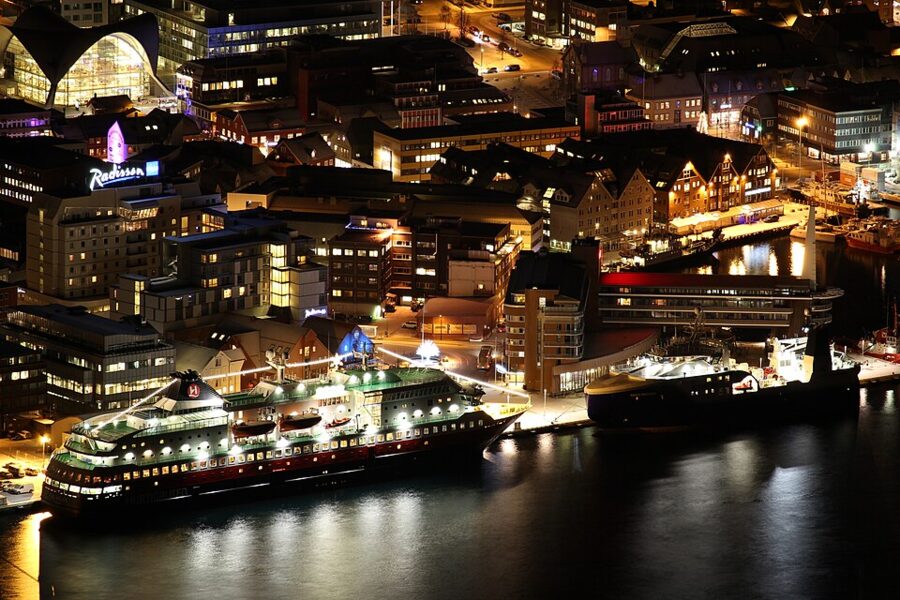

Plan outdoor things around midday and museums either side. Don’t expect sunsets over the sea in December, and don’t expect total darkness either.
People and culture
Don’t photograph people, children or homes without asking
The municipality’s guidelines ask operators to stop guests taking pictures inside private homes, and of children and locals, without permission. That covers the lit kitchen window that looks so cosy from the road, the child in a snowsuit, and the fisherman on the quay. Ask, or point the camera at the mountains.
Reindeer that aren’t on your tour
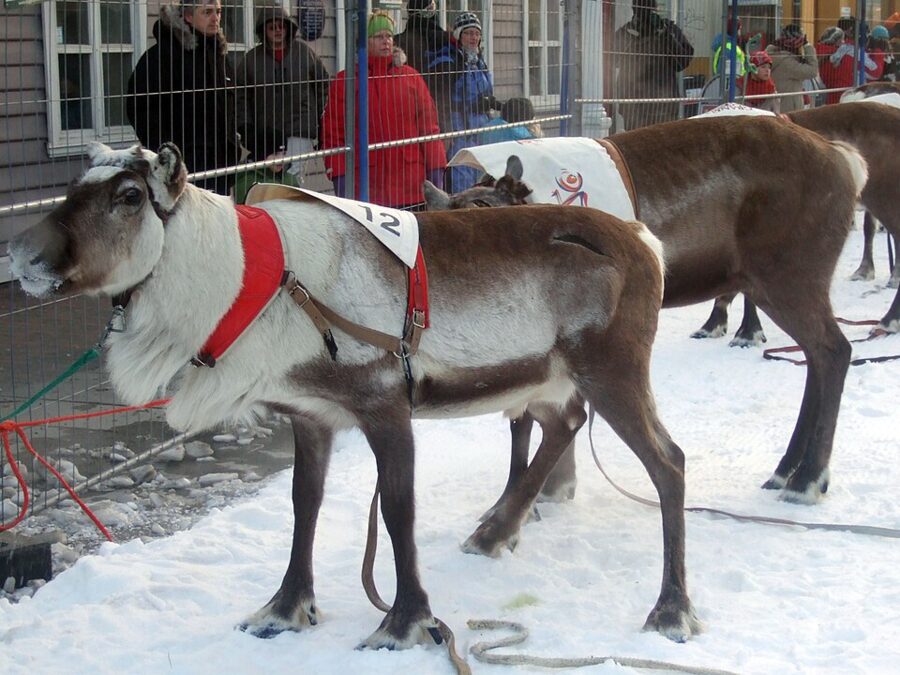
A reindeer by the road is not a petting animal and not wild either: it belongs to a herder, and feeding it bread or chasing it for a selfie stresses an animal that is trying to get through the winter on lichen. Visit a herd with the people who own it, on their terms. Visit Tromsø says many of the reindeer experiences in the region are hosted by Sámi families and herders; read who runs a tour before you book it. How herding works, and what the tours get right and wrong, is in myths and facts about Sámi reindeer herding and in the guide to Arctic animal tourism.

Don’t treat Sámi culture as a costume
Tromsø is also Romsa, its North Sámi name, and Sámi people live here as lawyers, students, artists and herders. The gákti, the Sámi dress, carries its wearer’s home area and family in its colours and cut; it is not a dressing-up outfit for a photo. The Sámi Parliament in Finland adopted ethical guidelines for Sámi tourism in 2018 for exactly this reason: to end tourism that exploits Sámi culture and spreads wrong information about it. They were written for the Sámi homeland in Finland, but the point travels.


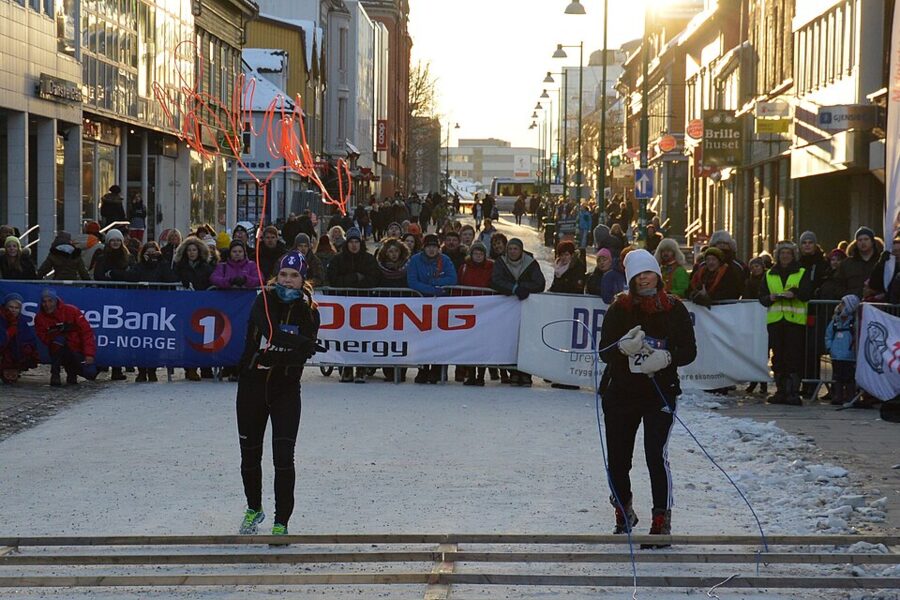
In practice: don’t buy or wear a fake gákti, be wary of any experience where a non-Sámi host dresses up as one, and don’t photograph people in their own dress without asking. The best time to see Sámi culture on its own terms is Sámi Week, held every year around Sámi National Day on 6 February, with concerts, lasso throwing and the reindeer races down Storgata.

Noise after 23:00
Aurora nights end at 01:00 or 02:00, and the minibus drops people at their Airbnb in a quiet street of wooden houses with thin walls. The municipality asks operators to keep noise to a minimum, especially after 23:00 in residential areas, and the same goes for you. Close car doors gently, keep the post-aurora celebration indoors, and remember that the rental flat next door is somebody’s home.
What to do instead
The habits that keep you out of trouble in Tromsø are short, and locals follow most of them without thinking.
- Book the aurora with a registered company, stay at least three nights, and keep the rest flexible.
- Wear wool, put brodder on from the first day, and add a layer when you stop.
- Take buses, tours and the cable car in winter; if you drive, check the roads authority’s traffic information every time.
- Stop only in marked parking areas, wear a reflective vest outside the car, and never light a fire in a lay-by.
- Stay out of gardens and farmyards, ask before you photograph people, and keep the noise down after 23:00.
- Check varsom.no before any winter walk off the beaten path, and tell someone where you are going.
- Meet reindeer through the herders who own them and Sámi culture through Sámi hosts, and come for Sámi Week if you can.
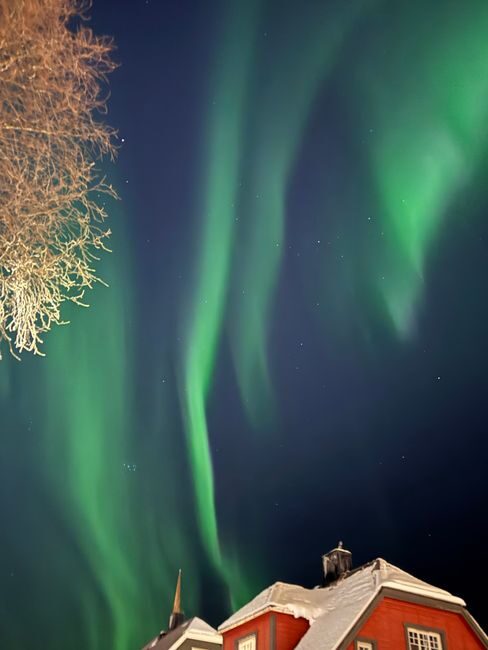
Do those, and the house from the first photograph stays what it should be: someone’s home under a green sky, seen from the road, from a proper parking place, with the engine off and the hazard lights off too. On a clear night, the lake at Prestvannet is a bus ride from the centre, and nobody minds you being there.