

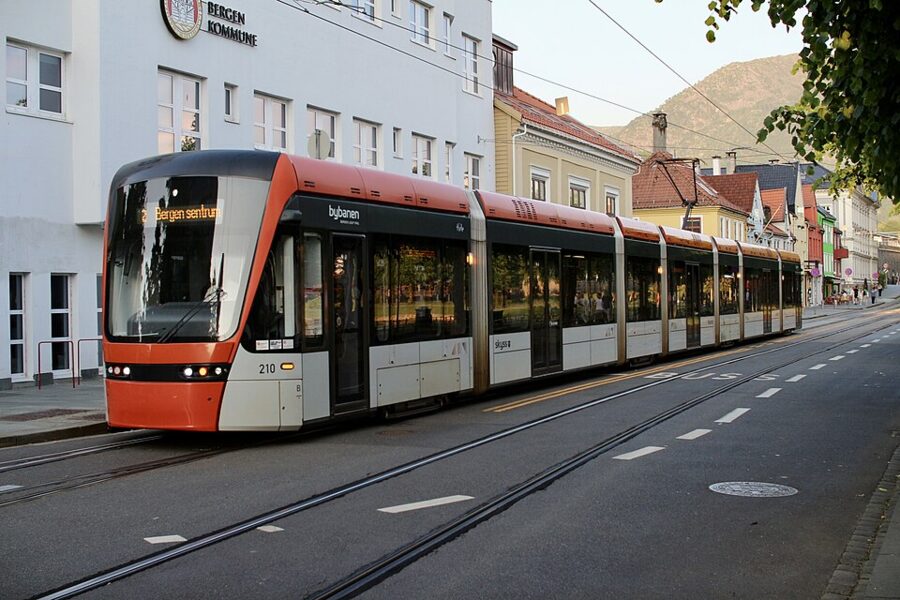

In October 2026 a 30-day ticket for one zone of Bergen’s buses and Bybanen light rail cost NOK 700. On 1 November the same ticket cost NOK 504, because a temporary state grant had cut the price until the end of April 2027. Nothing about the buses changed.
That is the first lesson of living cheaply in Norway. A large share of what things cost here is set by a law, a subsidy or a scheme you have to sign up for, and the people who spend least are rarely the ones who go without. They are the ones who know which ticket, which electricity scheme and which queue to join.
Moving to Norway, or staying long enough to rent a flat, open a bank account and pay tax, is a different budget from a visit: a student’s, a new worker’s, a couple’s on one salary. Prices here are for late 2026, with the date they apply from where that matters. Hotels, ferries and tours belong to a different calculation, the one for planning a trip to Norway.
A single person in Oslo spends about NOK 22,600 a month on an ordinary life before electricity, and the same life in Bergen costs about NOK 19,900. Almost all of the gap is rent. After rent, the costs that decide a Norwegian budget are food and transport, and both depend more on habits than on the city.

Contents 9 parts
- 01What a month costs in Oslo and in Bergen
- 02Housing, the cost that decides the rest
- 03Electricity: zones, Norgespris and the winter bill
- 04Food, drink and the supermarket war
- 05Getting around for less
- 06ID numbers, banking and a phone plan
- 07Doctors, the frikort and the dentist problem
- 08Work, tax and study
- 09What costs nothing
What a month costs in Oslo and in Bergen
The most useful single source for an everyday budget is the SIFO reference budget, published each year by the consumer research institute at OsloMet. It prices what researchers judge an acceptable standard of living: a healthy diet, ordinary clothes, a phone, some leisure, and money set aside for the fridge that will one day break. It deliberately leaves out housing, electricity, alcohol, tobacco, holidays and nights out.
For 2026, SIFO puts food and drink for a man aged 25 to 50 at NOK 4,760 a month, and for a woman of the same age at NOK 4,280. Clothes and shoes add about NOK 1,100, personal care NOK 820 to NOK 1,020, leisure NOK 1,080, and the household’s media, phone and leisure spending NOK 2,570 for one person. Household goods, furniture and everyday items such as detergent come to NOK 1,540. Without transport, a single man’s month comes to NOK 11,890, a single woman’s to NOK 11,580, and a couple’s to NOK 19,640.
Add a 30-day public transport pass and the average rent from the Statistics Norway rental market survey and you have a full month, before electricity:
| Per month, NOK | Single, Oslo | Single, Bergen | Couple, Oslo | Couple, Bergen |
|---|---|---|---|---|
| Everyday spending (SIFO 2026, no car) | 11,890 | 11,890 | 19,640 | 19,640 |
| 30-day pass, one zone, per adult | 655 | 504 | 1,310 | 1,008 |
| Average rent, 2025 | 10,090 (one room) | 7,510 (one room) | 15,260 (two rooms) | 11,870 (two rooms) |
| Total before electricity | 22,635 | 19,904 | 36,210 | 32,518 |
The everyday line uses the man’s figure; a single woman’s total is NOK 310 lower. The Oslo rent figures cover Oslo and neighbouring Bærum together, which is how Statistics Norway publishes them. Norwegian listings count rooms without the kitchen and bathroom, so a “one-room” flat is a studio and a “two-room” flat has one bedroom.
Three costs decide the result. Rent is the biggest by far: in the Oslo single column it is 45 per cent of the total. Food is the biggest item SIFO prices, and the one where habits change the bill most. Transport looks small in the table because public transport is heavily subsidised in late 2026, but a car moves it to the top: SIFO puts the running costs of a petrol or diesel car for a household of up to four at NOK 3,375 a month, and an electric one at NOK 2,245, before you have paid for the car itself.
Two numbers give the table some scale. The immigration authority’s minimum for a student, which has to cover rent as well, is NOK 15,488 a month for the 2026–27 academic year. At the other end, the average monthly wage in Norway before tax was NOK 62,070 in 2025, according to Statistics Norway’s wage statistics.
Housing, the cost that decides the rest
Rents by city
Statistics Norway’s survey, published on 22 December 2025, gives the average monthly rent for a two-room flat as NOK 15,260 in Oslo and Bærum, NOK 11,870 in Bergen, NOK 11,850 in Trondheim and NOK 11,400 in Stavanger. The national average was NOK 11,790. A three-room flat in Oslo and Bærum averaged NOK 19,030, and a studio NOK 10,090. The 2026 survey is due on 21 December 2026.
Outside the big four, rents drop fast. In towns of 20,000 people or more (excluding Akershus county), a two-room flat averaged NOK 9,880 and a studio NOK 7,560. In towns of 2,000 to 19,999 the two-room average was NOK 8,660, and in villages and the countryside NOK 7,450.
That Akershus arithmetic is the cheapest move most Oslo workers can make. Commuter towns such as Lillestrøm and Asker are on Ruter’s network, and where the two-zone pass covers the trip, the saving on rent outweighs the extra fare by about NOK 2,500 a month at the 2025 averages. Further out the fares rise, and the cost is time, which only you can price.
Deposit and contract
Landlords almost always ask for a depositum (a security deposit). Under the tenancy act it can be at most six months’ rent, and it must be paid into a separate account in the tenant’s name at a bank in Norway. Neither side can touch it during the tenancy, and the interest belongs to you.
That rule is your protection against the most common rental scam. A landlord who wants the deposit paid into his own account, or a foreign one, is asking for something the tenancy act does not allow, and money sent that way is usually gone for good. Opening any Norwegian bank account needs a Norwegian identity number, so sort that out first.
Budget for the deposit as a one-off cost on top of the first month’s rent. Three months’ rent on an average Oslo studio is about NOK 30,000.
Student housing and the kollektiv
Student welfare organisations run the cheapest decent rooms in Norway. SiO in Oslo lists furnished hybler (bedsits with a shared kitchen) at NOK 5,475 to NOK 7,576 a month for the year to 31 July 2027, and unfurnished one-room flats at NOK 7,370 to NOK 8,813. Its largest student villages are Kringsjå, Sogn and Bjølsen.
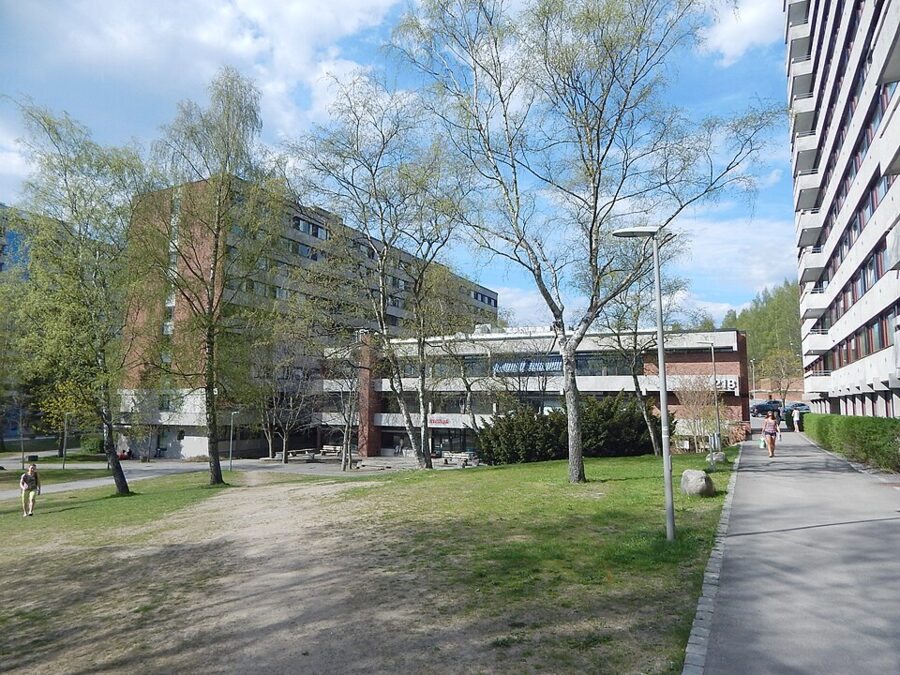

The queue rules matter more than the prices. SiO’s queue gives priority for August to the youngest new students and to some international students whose college guarantees them housing, and you must apply by 1 June for autumn and 1 November for spring to keep that priority. Rooms in the centre have long waiting lists, and SiO’s own advice is to apply for the big villages where there are hundreds of rooms of each type.
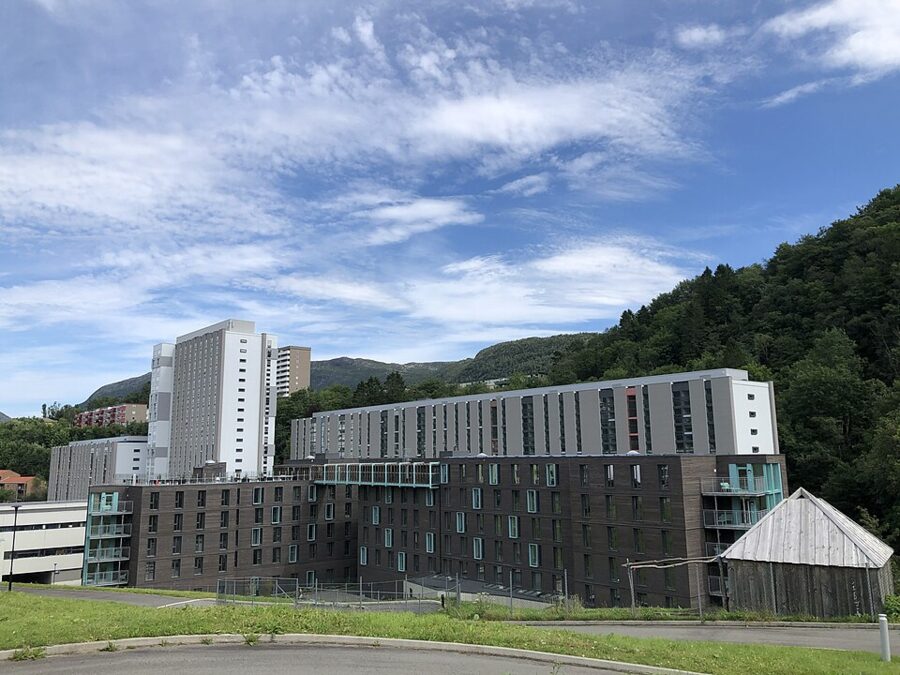
In Bergen and the rest of Vestland, Sammen has more than 5,000 student homes and takes applications all year, allocating them as they fall free. You must have paid the semester fee to Sammen to live there.

If you are not a student, the cheap option is a room in a kollektiv (a shared house or flat). Splitting a four-room Oslo flat at the 2025 average of NOK 23,200 between three people comes to about NOK 7,730 each, against NOK 10,090 for the average studio, and the bills are shared too. Shared flats are listed as kollektiv or rom i kollektiv.
Where flats are listed
Most private lets in Norway are advertised on Finn.no, under its rental section, and Hybel.no carries rooms and smaller flats. August, when the student year starts, is the hardest month to compete in. I would search in late autumn or spring if the move allows it, set up saved-search alerts, and go to the first viewing a flat has.
Electricity: zones, Norgespris and the winter bill
In a typical Norwegian flat the heaters run on electricity, so the power bill is a winter cost first. The country is split into five price areas, NO1 to NO5, and the spot price can differ sharply between them: in recent years it has been far higher in NO2 in the south than in NO4 in the north, according to the energy regulator NVE.
Prices in 2026 have been high. In the third quarter of 2026 households paid an average of 201.6 øre (hundredths of a krone) per kWh for power, grid rent and taxes together, and 123.4 øre after state support, according to Statistics Norway’s electricity price statistics. The power part alone, on contracts tied to the spot price, averaged 117.7 øre before taxes.
Norgespris or strømstøtte
Since 1 October 2025 every household has had a choice between two state schemes. The first is Norgespris, a fixed power price of 40 øre per kWh before VAT, or 50 øre with it, for up to 5,000 kWh a month in a home and 1,000 kWh in a cabin. Homes in Nordland, Troms and Finnmark pay no VAT on electricity, so they pay 40 øre.
The second is strømstøtte (electricity support), which you get automatically if you do nothing. Under it, as the NVE comparison sets out, the state pays 90 per cent of the power price above 77 øre per kWh before VAT (96.25 øre with it). You keep the swings: a cheap month is cheap, a cold dark February with a high spot price is not.

At 2026 power prices the sums have favoured Norgespris. With the spot-linked price at 117.7 øre in the third quarter, strømstøtte left a household paying about 81 øre before VAT, against 40 øre on Norgespris. At the same averages, 1,000 kWh on Norgespris cost about NOK 1,090 once grid rent and taxes were added, before your supplier’s mark-up. Either way you still need an ordinary contract with an electricity supplier, and you still pay grid rent and its fixed charge.
What changes on 1 January 2027
Norgespris is ordered on Elhub’s Min side with BankID or another electronic ID, and it binds the meter, not the person, until 31 December 2026. For 2027 everyone has to order again, even if they have it now. Orders open on 5 January 2027, and according to NVE’s questions and answers, an order placed by 14 January applies from 1 January.
The government’s budget for 2027 proposes raising Norgespris to 45 øre per kWh before VAT. Until Parliament has passed the budget that figure is a proposal, but it would still be well below what households paid for power in 2026.
Cutting the bill
Ask before you sign a lease whether electricity is included (inkludert strøm) and, if it is, whether there is a cap. If it is not, ask the landlord or the last tenant for the past year’s consumption; a flat that used 12,000 kWh is a different proposition from one that used 5,000. NVE points out that Norgespris is tied to the meter rather than the person, so ask whether the flat’s meter is already on it before you order.
The rest is ordinary thrift that pays more here than elsewhere. Heat the rooms you use, turn the floor heating in the bathroom down, and wash and dry at night if you are on a spot-price contract. The consumer council runs a comparison of electricity contracts at strompris.no, and the difference between a fair supplier’s mark-up and a poor one is worth checking once a year.
Food, drink and the supermarket war
The three discount chains
Norwegian grocery shopping is dominated by three groups, and each runs a discount chain: Kiwi belongs to NorgesGruppen, Rema 1000 to Reitan, and Extra to Coop. They watch each other closely. Kiwi publishes a weekly price check against Rema and Coop Extra and lowers prices where it is beaten, and it runs a price lock on everyday items.
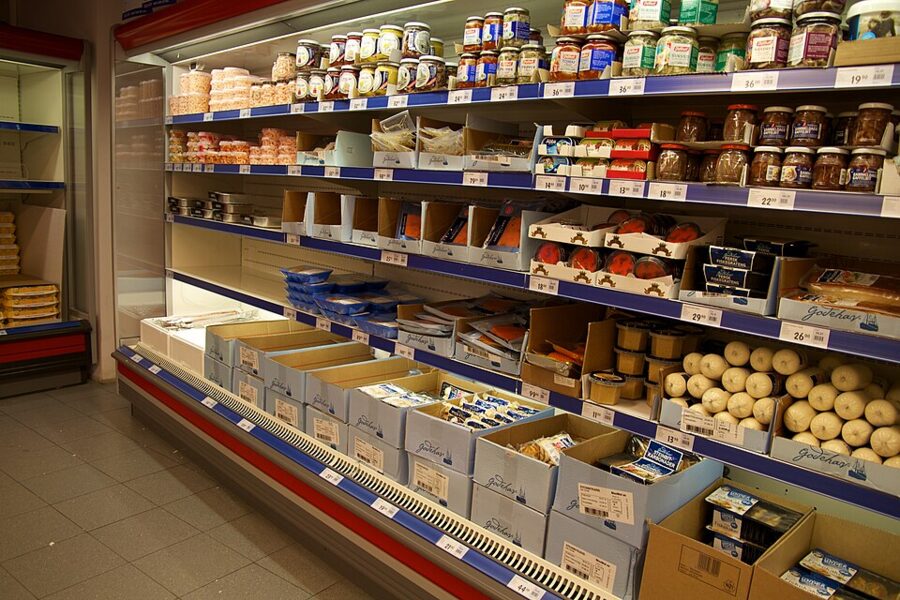

The full-range supermarkets, such as Meny and Coop Mega, have staffed counters and wider ranges, and I would use them only for what the discounters do not stock. If you shop for price, stay with the three discounters and learn the own brands; First Price, NorgesGruppen’s plain-packed budget range, sells itself on paying for the contents rather than the packaging.
Habits that cut the food bill
Each group has a loyalty scheme, and the discounters pay most on fresh food. The Rema app gives 10 per cent back on fruit and vegetables, and the bonus can be spent at the till. Kiwi Pluss members get 15 per cent back in Trumf bonus on all fresh fruit and vegetables. Coop membership pays kjøpeutbytte, a dividend on everything you buy in Coop’s chains.
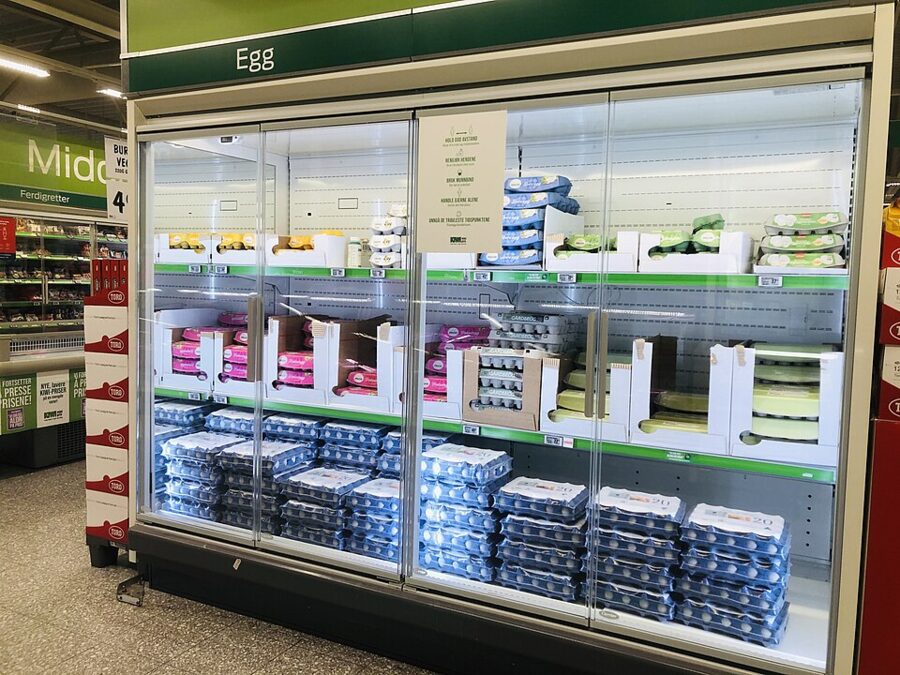

The second habit is the matpakke, the packed lunch of open sandwiches that many Norwegians take to work and school. Two slices of bread with cheese or liver pâté cost a fraction of the cheapest café sandwich, and nobody at work will think it odd. The third is the weekly kundeavis (the chains’ offers leaflet, online as well as on paper): plan the week’s dinners around what is on offer rather than the other way round.
Plan the week around Sunday. Under the law on shop opening on holidays, shops must close on Sundays and public holidays, and only grocery and kiosk shops with no more than 100 square metres of floor space, and petrol stations up to 150, may open. The Sunday shop is the small, dearer one on the corner.
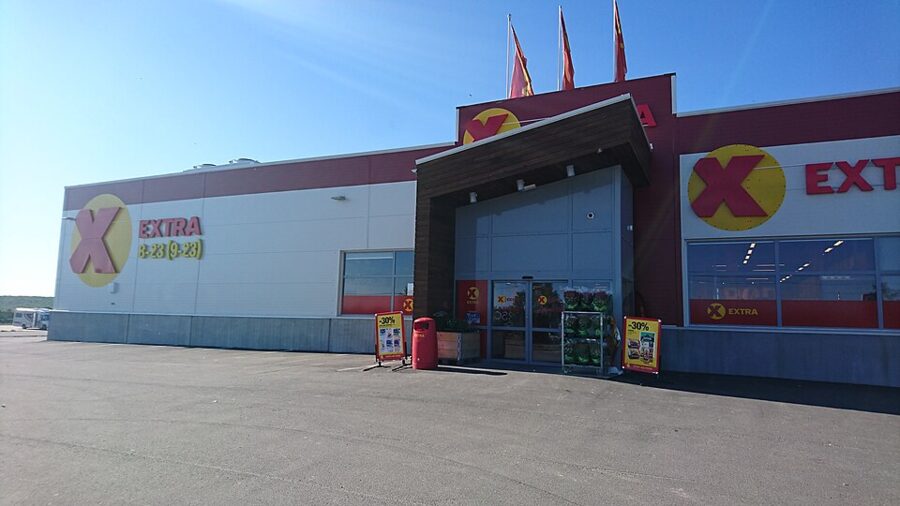

Food is also where Norway has been gentler lately. Shop prices for food rose 1.6 per cent in the twelve months to October 2026, less than half the 3.6 per cent rise in consumer prices overall.
Alcohol and the Vinmonopolet
Alcohol is where Norway is expensive by design. Supermarkets may sell only drinks of up to 4.7 per cent alcohol, mainly beer and cider, and under the alcohol act only between 08:00 and 18:00 unless the local council extends the hours. Councils may not allow sales after 20:00 on weekdays or after 18:00 on Saturdays, and there are none on Sundays, public holidays, 1 May or 17 May.
Wine, spirits and strong beer are sold only by the state monopoly, the Vinmonopolet, whose shops usually open from 10:00 to 18:00 on weekdays and close earlier on Saturdays. Its staff will advise on what to choose, so ask for the cheapest bottle they would drink themselves. The real saving is simply to drink at home rather than in a bar.


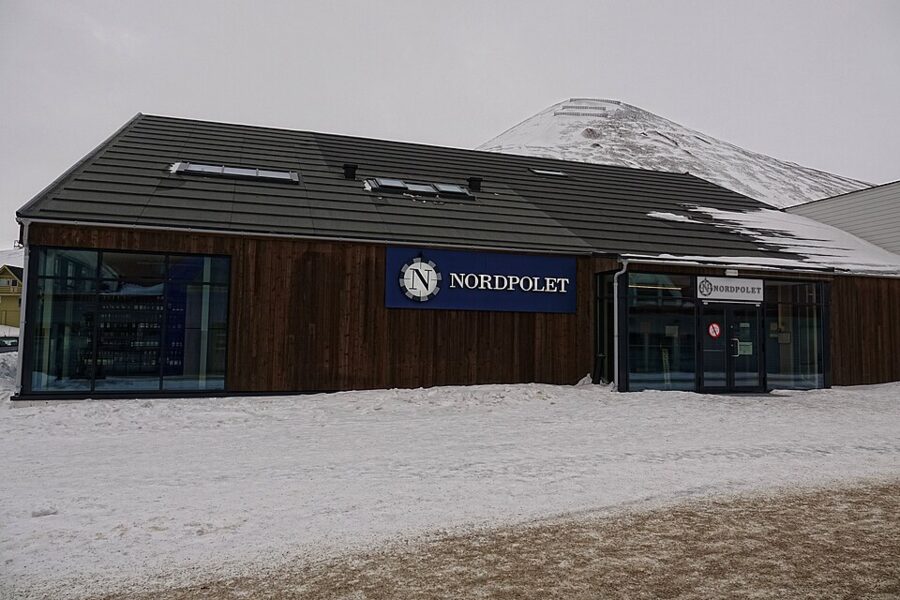
Svalbard is the one place with its own rules and its own shop. If you are thinking of the far north, living in Longyearbyen works very differently from the mainland, on prices as on everything else.

Eating out
Restaurant prices are rising faster than almost anything else in the shopping basket. In the twelve months to October 2026, the price of eating out and staying in hotels rose 6.1 per cent, against 1.6 per cent for food in shops, according to Statistics Norway’s consumer price index. A takeaway or a pizza with friends is the budget’s most elastic line, and the one SIFO leaves out altogether.
The cheap ways to eat out are the ones locals use: the lunch buffet in a student canteen if you study, the hot-dog counter at a petrol station, and dinner at a friend’s flat with everyone bringing something. Tipping is not expected for counter service.
Getting around for less
Monthly passes by city
Public transport in Norway’s cities got cheaper in 2026, in Bergen’s case through a temporary state grant. The 30-day prices in force in late November 2026:
| City (operator) | 30 days, one zone, adult | Discounted | Since |
|---|---|---|---|
| Oslo (Ruter) | NOK 655 | Student 20–29: NOK 393; age 18–19: NOK 238 | 1 August 2026 |
| Bergen (Skyss) | NOK 504 | Student: NOK 302; youth ticket for all Vestland: NOK 252 | 1 November 2026, until end of April 2027 |
| Stavanger (Kolumbus) | NOK 550 | U23 ticket, age 6–22: NOK 225 | 10 September 2026 |
| Trondheim (AtB) | NOK 649 | Two zones: NOK 964 | Price in November 2026 |
Oslo shows how fast this moves. SIFO’s budget, drawn up with February 2026 prices, used NOK 1,019 for Ruter’s one-zone 30-day ticket; from 1 August the same ticket cost NOK 655. Ruter’s student price needs full-time study at a place that qualifies for support from Lånekassen, the state education loan fund, and a student card on board.
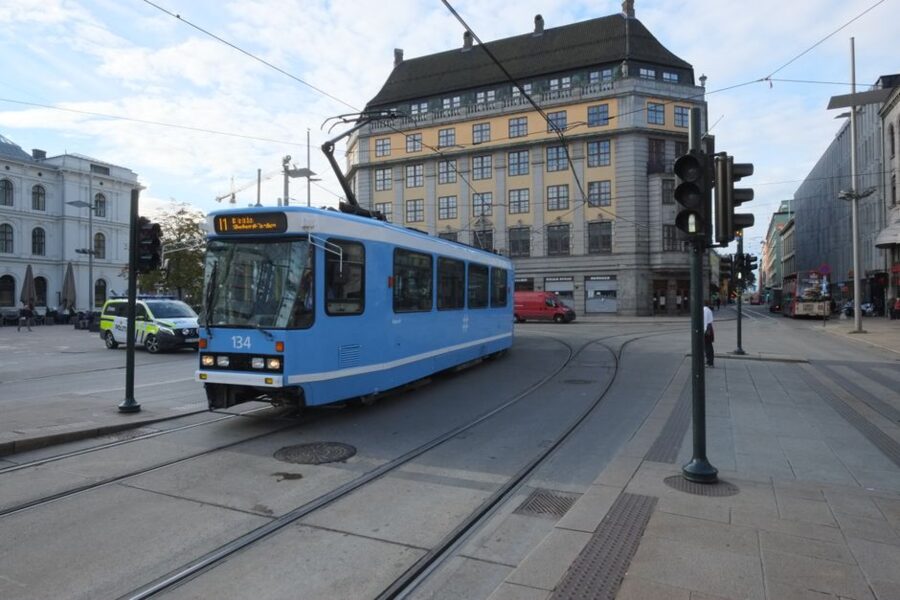
Do the sum before buying. Ruter’s ticket page still says the 30-day ticket pays off at 30 or more journeys a month; at NOK 655 against NOK 46 a single, the arithmetic says about 15. If you live near work and cycle in summer, buy singles in the light months and the pass in winter.
Bikes
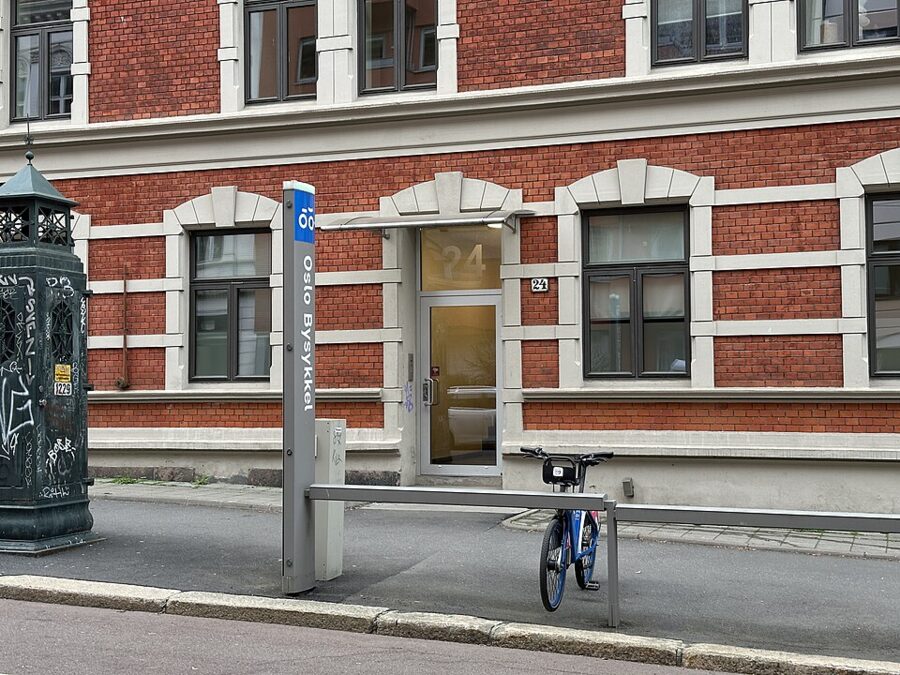
In Oslo, the city bike scheme Oslo Bysykkel, which marked ten years in the city in 2026, works through an app and lets you ride for up to an hour at a time before parking at one of its stations. For year-round cycling, a second-hand bike with studded winter tyres is the local answer, and Finn.no’s second-hand section is the place to find one.

Cars and what one really costs
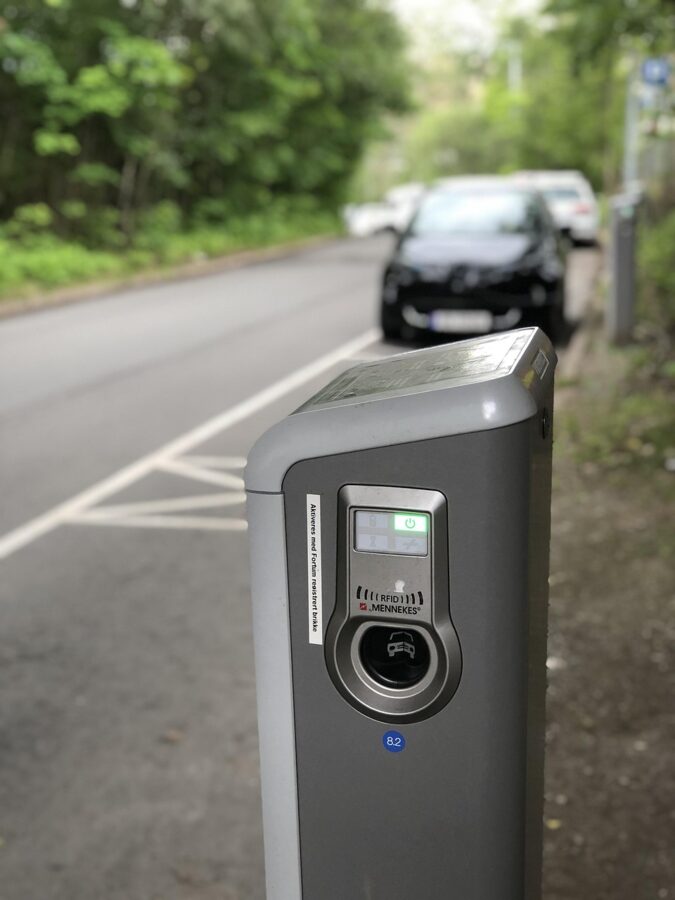
A car is the single biggest optional cost in a Norwegian budget. SIFO’s 2026 figures for running one, not counting the price of the car itself, are NOK 3,375 a month for a petrol or diesel car and NOK 2,245 for an electric one. In a city, that is three to five monthly travel passes.
If you need a car only for weekends in the mountains, I would rent one or join a car-sharing club rather than own one. In the countryside the arithmetic changes, because a bus that runs twice a day is not a way to get to work.
ID numbers, banking and a phone plan
Nearly everything cheap in Norway runs on an identity number. Without one you cannot open a bank account, get an electronic ID, borrow a library book or sign some phone contracts. There are two kinds: the fødselsnummer (birth number), given to people registered as resident, and the D-number, for people who work or have other dealings in Norway without settling.
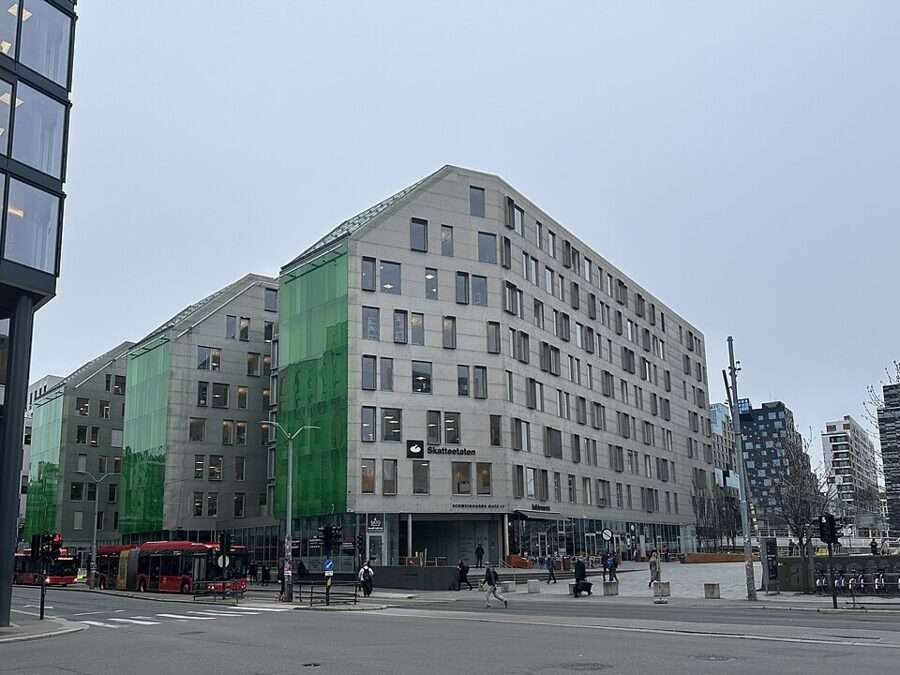
You cannot apply for a D-number yourself. An employer, the tax administration, NAV, a bank or another approved body requests it for you, usually with a certified copy of your passport. The body requesting it may also ask you to attend an identity check, which Skatteetaten carries out and which you must book yourself; I would take the first free slot, because little else moves until it is done.

With a number, you can get an electronic ID. MinID is the state’s own: you order an activation letter with your number and it arrives by post a few days later. BankID comes from your bank once you have an account, and in practice it is the one you will use for everything from tax to rent deposits.
Phone plans are cheaper than they look on the big operators’ front pages. Chilimobil sold plans in November 2026 from NOK 119 a month for 1 GB, NOK 199 for 6 GB and NOK 249 for 20 GB, with no fixed term and unused data rolled over. Ice charged NOK 199 for 5 GB, offered a two-month trial of 30 GB at NOK 99 a month, and asks for a birth number to run a credit check before it will sign you up.
Prices like these change with each campaign, so treat them as a guide to the level rather than a quote. Keep your plan small, use Wi-Fi at home, and change provider when a cheaper offer appears, since neither of these plans binds you.
Doctors, the frikort and the dentist problem
Public health care in Norway is cheap at the point of use but not free for adults. Residents register with a fastlege (a regular GP), and each visit carries an egenandel (a fixed co-payment). The 2026 rates are NOK 179 for a daytime GP appointment, NOK 235 if the GP is a specialist in general practice, NOK 301 in the evening, and NOK 443 for a specialist. A video consultation costs the same as one in person.
The cap is the frikort (exemption card). Once you have paid NOK 3,278 in approved co-payments in 2026, everything else covered by the scheme is free until the end of the year. It is automatic: providers report what you pay, and you receive the card digitally within three weeks, with any overpayment refunded to your bank account.

Since 1 August 2026, nobody under 18 pays co-payments at all. One condition trips up newcomers: your GP must have an agreement with Helfo, the state health payments agency, for the state to cover its share. A private clinic without one bills you the full price, and that does not count towards the frikort.
Why the dentist costs so much
Dentistry for adults sits outside the public system. As Helsenorge puts it, adults must as a rule pay for their own treatment, and dentists set their own prices. The state contributes only for a list of fifteen specific conditions, such as gum disease, injuries in accidents and some rare diagnoses, and even then the dentist may charge more than the state refunds.
Children and young people are the exception. Treatment for under-18s at the public dental service is free except for braces, and anyone aged 19 to 28 in the treatment year pays only 25 per cent at the public dental service. If you are in that age group, ring your county’s public clinic rather than a private dentist; people with temporary residence permits may face a residence-time rule first.
For everyone else the cheap habits are prevention and price checking. Ask for a quote before treatment starts, compare two or three clinics for anything bigger than a check-up, and keep up with the yearly visit that SIFO’s budget allows for. Treatment in another EU or EEA country is refunded by Helfo only for people who would get support for the same treatment in Norway, according to Helsenorge’s rules on dental treatment abroad.
Work, tax and study
What jobs pay
The average monthly wage across all jobs was NOK 62,070 before tax in 2025: NOK 65,610 for men and NOK 57,690 for women. Pay in sales and service jobs, where many newcomers start, averaged NOK 44,790, and in office jobs NOK 52,110.
Tax card and the flat 25 per cent
Before your first payday you need a skattekort (tax deduction card) and an identity number. Most foreign workers in their first year are put on the PAYE scheme, under which the employer deducts a flat 25 per cent and you file no tax return. It applies only if you earn less than NOK 725,050 in 2026, and under it you can claim no deductions.
That last point is where money hides. Under the ordinary rules you can deduct things such as commuting costs and interest, and the tax administration’s calculator compares the two schemes for 2024, 2025 and 2026. If the ordinary rules come out cheaper, you can leave PAYE at your ID check appointment, when you apply for the tax card or later, up to 31 December three years after the income year.

Students
Students from Norway, the EU, the EEA and Switzerland pay no tuition at public universities and colleges, and exchange students are normally exempt too. Degree students from elsewhere must normally pay, at rates that vary by institution and programme, according to Study in Norway.
Students who need a permit must show the immigration directorate (UDI) that they have NOK 15,488 a month, or NOK 170,368 for the 2026–27 academic year, on top of any tuition. A study permit comes with the right to work up to 20 hours a week during term and full time in the holidays. A SiO room at NOK 6,000, a student pass at NOK 393 and SIFO’s food budget of NOK 4,760 leave about NOK 4,300 of that minimum for everything else, which is tight but workable.
Learning Norwegian cheaply
Norwegian is the best money-saving skill you can acquire here, because the cheaper flats, jobs and offers are advertised in it. Norwegian on the Web, the online course built by NTNU in Trondheim, is open to anyone, with ten chapters of texts, audio, vocabulary and grammar exercises.

After that, the cheapest teachers are the library and the television. Borrow graded readers and children’s books, and watch Norwegian TV shows with Norwegian subtitles switched on, so that the spelling and the sound arrive together.
What costs nothing
The right to roam
Norway’s best free asset is the land itself. Allemannsretten (the right to roam), written into the outdoor recreation act, lets anyone walk on uncultivated land all year round, camp for up to two nights in one place without asking, at least 150 metres from an inhabited house, and pick berries, mushrooms and wild flowers to take home. In the high mountains and far from houses you may stay longer.
Cloudberries in Nordland, Troms and Finnmark are the one exception: where the landowner has expressly banned picking, you may still eat them on the spot but not carry them away. Sweden and Finland grant much the same freedom under their own names, which makes camping in Scandinavia the cheapest holiday in the region, and a tent stays a cheap weekend in any weather once you know how to camp in the rain.

Libraries
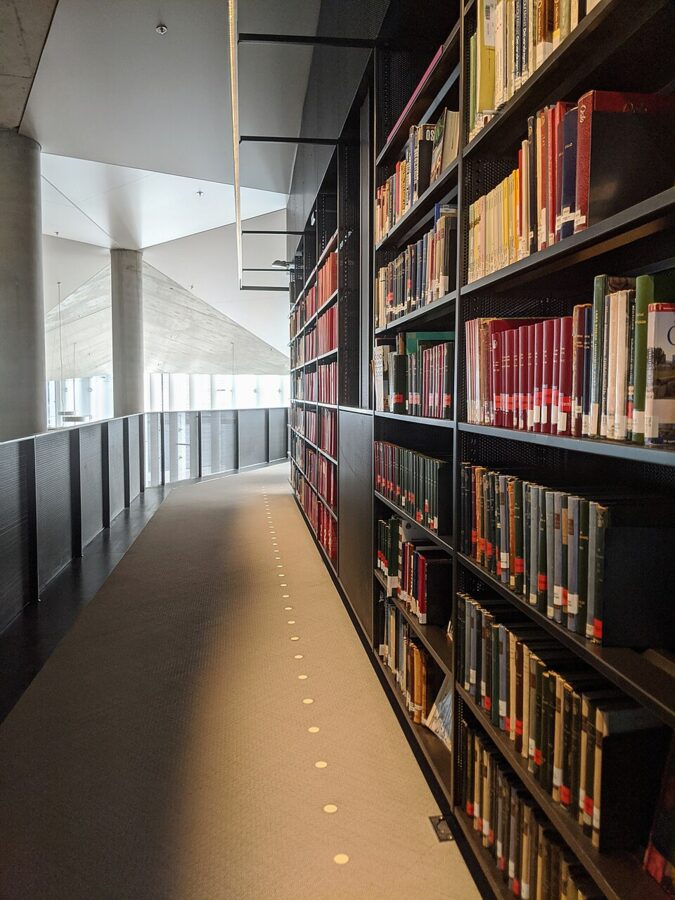
Public libraries are the most underused bargain in the country. At Deichman, Oslo’s library service, you can borrow from more than a million books, e-books, films, CDs, musical instruments and tools without paying anything. You need a birth number, D-number or DUF number to register, and a late return costs nothing until the second reminder, when the fee is NOK 100.
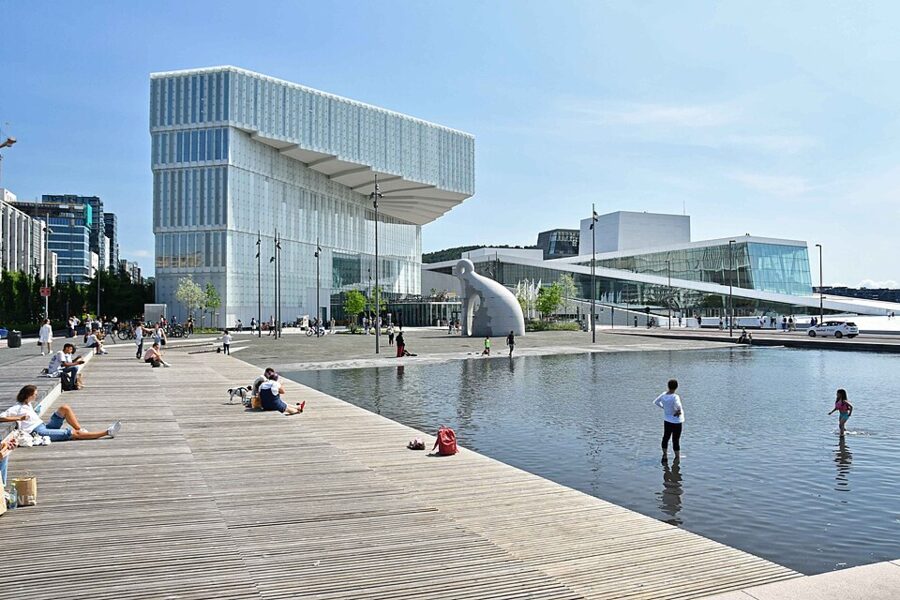

Deichman Bjørvika, next to the Opera House, has a workshop where you can fix, build and repair things, and meeting rooms that can be booked free. Several of Deichman’s branches are self-service outside staffed hours: anyone over 15 with a library card can let themselves in.

The trekking association
The Norwegian Trekking Association, DNT, is the one membership I would pay for on a tight budget. Ordinary membership costs NOK 885 a year, and NOK 375 for anyone aged 13 to 25, which is the price of a single restaurant meal. Members get access to more than 600 cabins, trips and courses, and discounts on outdoor gear, and the fees pay for the 23,000 kilometres of marked trails the association looks after.
Museums
Museums in Norway are not free, but the discounts are generous. At the National Museum in Oslo, an adult ticket cost NOK 220 in November 2026, students under 30 paid NOK 120, everyone under 25 NOK 100, and under-18s went free. It is open until 20:00 on Tuesdays and Wednesdays and closed on Mondays.
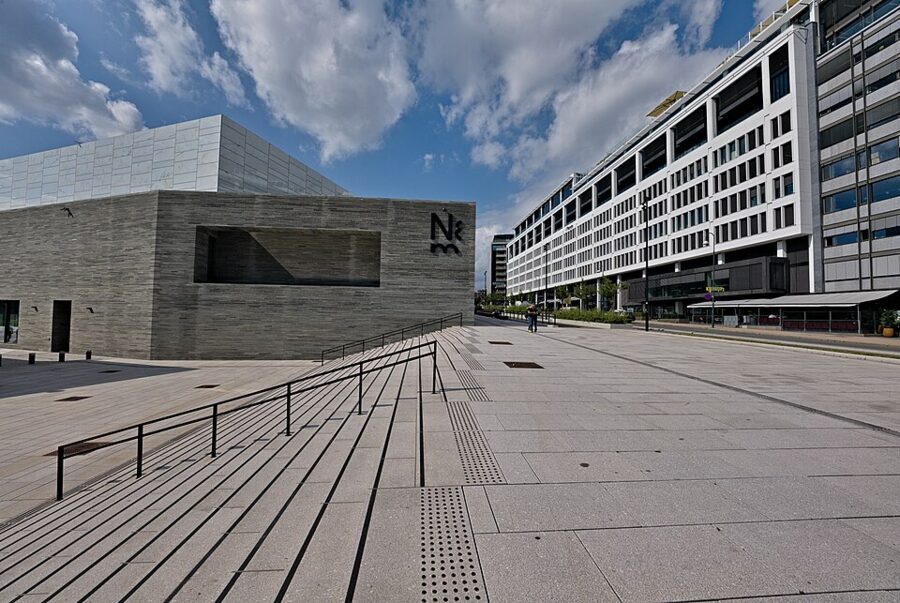
The rest of the free calendar is outdoors: the parks, the fjord beaches in summer, the ski trails lit for evening skiing in winter. Living cheaply in Norway usually means spending more of the year outdoors, which is no hardship in a country built for it.
Back in Bergen, the NOK 504 bus pass runs until the end of April 2027, and Skyss sets its prices again each February. If you are moving there this winter, register with Sammen if you are a student, put your name on Finn.no’s alerts for two-room flats near a Bybanen stop, and buy that 30-day ticket in the Skyss app on the day you arrive.