

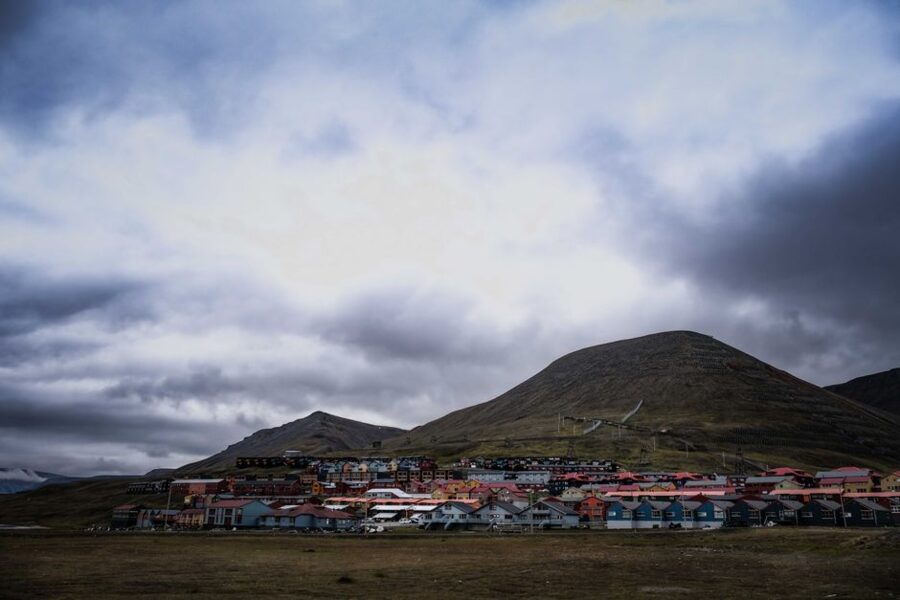
Nobody needs a visa, a work permit or a residence permit to live in Longyearbyen. Nobody is promised a flat, a benefit or a grave for a coffin there either, and the distance between those two facts explains most of what life at 78° north is like.
On 1 July 2026, 2,504 people were registered as living in Longyearbyen and the research village of Ny-Ålesund, according to Statistics Norway’s Svalbard population figures. Sixty-three per cent held Norwegian citizenship. The rest came from more than 50 countries, and the largest groups from outside Europe are Filipino and Thai. Another 419 people lived in the Russian mining town of Barentsburg, and ten at the Polish research station in Hornsund.
Few of them stay for good. In 2022 the average Norwegian resident had been there 7.4 years, but the median was only 3.6, and in a normal year about one resident in five moves away. In 2025, 519 people moved in and 558 moved out.
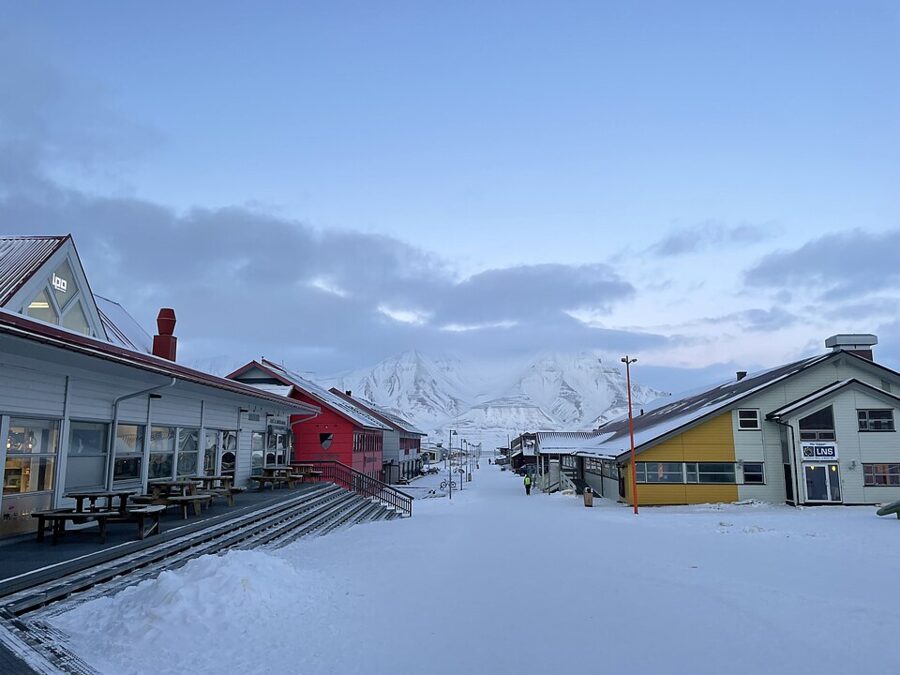

Underneath all of it sits one rule. You must be able to support yourself: the Governor of Svalbard can turn away anyone, Norwegian or foreign, who cannot, there is no social assistance, and most homes belong to employers. Lose the job and you usually lose the flat, and the safety net is the plane south.
Contents 11 parts
- 01Who lives in Longyearbyen, and why they came
- 02The rules that make it unlike mainland Norway
- 03Housing: the job comes with the flat
- 04The polar bear and the rifle
- 05The dark, the light and the sun on the hospital steps
- 06What it costs to live there
- 07Health care, births and the burial rule
- 08Children and school
- 09Social life: clubs, festivals, pubs, dogs and snowmobiles
- 10How to move there
- 11The downsides, plainly
Who lives in Longyearbyen, and why they came
Longyearbyen was a company town until 1989. The mining company Store Norske Spitsbergen Kulkompani controlled most of the housing, infrastructure and services, and most people were miners or their families. Since the 1990s the town has been rebuilt around tourism, research and education, and the public sector.
The 2025 employment figures from Statistics Norway show how much of that is public money. Of everyone working on Svalbard, 46 per cent worked in private companies, against roughly 65 per cent on the mainland in 2022. The rest worked for the state administration (18 per cent), for state-owned companies such as Store Norske (20 per cent) or for the local council (13 per cent). In 2022, hotels and restaurants employed more people than any other industry.
Students and researchers
The University Centre in Svalbard, UNIS, teaches Arctic biology, geology, geophysics and technology in English, with no tuition fees. Its own figures, from 2019, count 743 students from 43 countries over the year, half of them Norwegian. Every student who goes into the field first takes a safety course that includes polar bear training with rifle shooting, and the main one, AS-101 Arctic Survival and Safety, runs for a week at the start of every January.
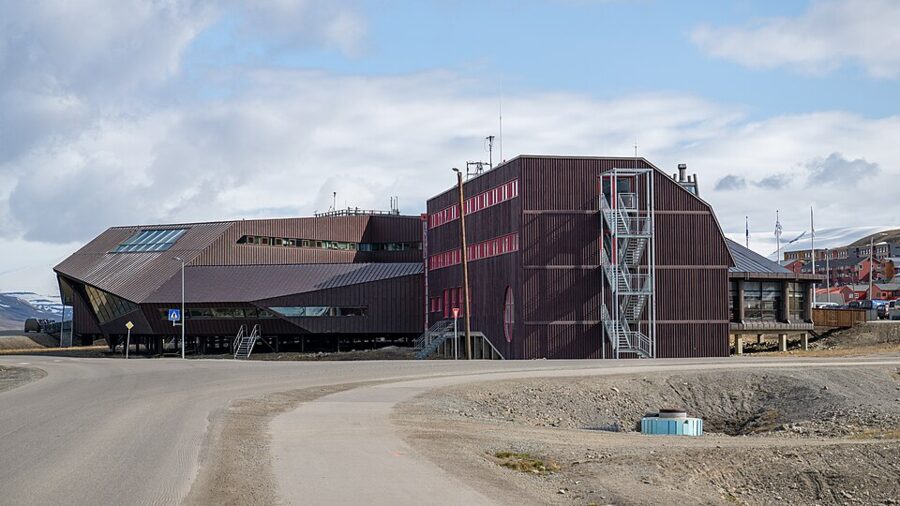

Researchers form a quieter group. The Norwegian Polar Institute and foreign institutions such as the Czech Arctic Research Station keep staff in Longyearbyen, and Ny-Ålesund, further north, is almost entirely a research village.
Tourism and service workers
The hotels, restaurants, shops and tour companies need more hands than the Norwegian population supplies. These are also the jobs that, according to the council’s advice for foreigners, often do not require Norwegian, so they are the usual way in for newcomers from abroad. Svalbardbutikken, the only grocery store, has about 50 employees from 13 nationalities.
The Thai and Filipino communities are among the most settled in town. Statistics Norway’s 2023 report on society on Svalbard found that Thais had the longest average stay of any nationality in 2022, 10.1 years, and that Filipinos, Swedes, Danes and Russians all had a longer median stay than Norwegians.
The end of coal
On 30 June 2025 Store Norske closed Gruve 7 in Adventdalen, the last Norwegian coal mine on Svalbard, ending more than a century of Norwegian mining. The company had run 15 mines since 1916. NRK reported from the last shift that 60 year-round industrial jobs went with it.


The town’s power station had already stopped burning coal in 2023 and switched to diesel. Mining’s share of all jobs fell from 19.5 per cent in 2008 to 3.2 per cent in 2022, so the closure ended a long slide rather than delivering a sudden blow. It still changed the town’s character: fewer long-serving miners with families, more short contracts.


The rules that make it unlike mainland Norway
Svalbard is Norwegian under the Svalbard Treaty, signed on 9 February 1920 and in force since 14 August 1925. The treaty recognises Norway’s sovereignty and gives citizens of the signatory countries the right to live and do business there. Most of what makes daily life different follows from that bargain, and from Norway’s effort to keep control of a town where anyone may settle.
The open door, and its conditions
The Immigration Act does not apply on Svalbard, so foreigners need no visa, work permit or residence permit to live there. The complication is the route in: every scheduled flight goes through mainland Norway, so anyone who needs a Schengen visa needs one to travel, and the Governor’s entry and residence page advises a double-entry visa so you can get back out. Svalbard itself is outside the Schengen area.
The conditions for staying are set by the regulation on rejection and expulsion from Svalbard, and they apply to Norwegians as much as to foreigners. Among them: you must have the means to live there. Sysselmesteren, the Governor, does not arrange jobs or housing and advises anyone thinking of moving to secure both before arriving.
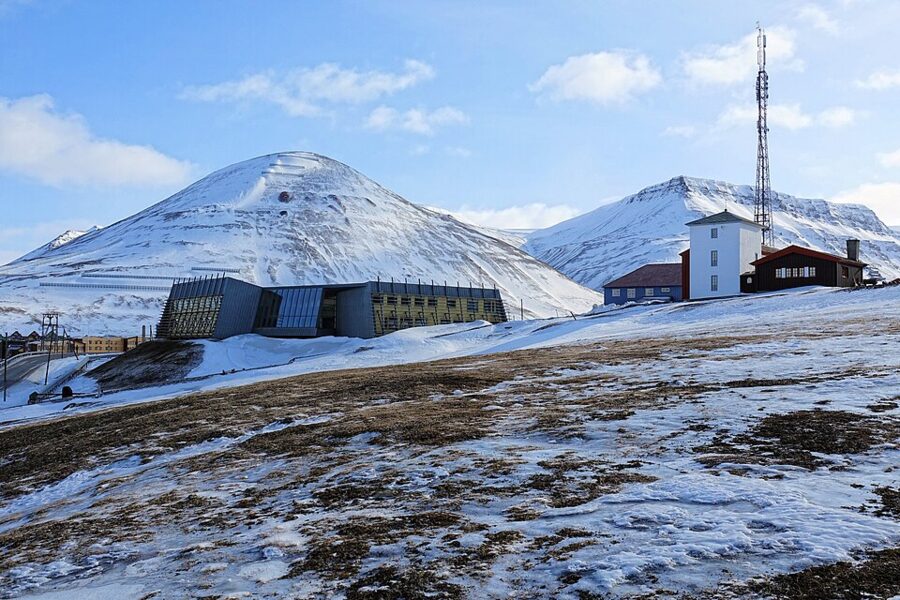

No welfare safety net
There is no social assistance on Svalbard. If you work for a Norwegian employer you become a member of the Norwegian National Insurance Scheme for as long as the job lasts and up to a month after it ends; there is no way to join voluntarily. The EEA rules do not apply on Svalbard, although the Nordic social security convention does.
In practice sick pay, parental leave and unemployment benefit depend on the job. The council’s information for foreigners puts it plainly: living on Svalbard does not qualify you for residence or citizenship in Norway, and there are no services for disabled adults or for children with special needs.
Voting and citizenship
Longyearbyen has had an elected council, Longyearbyen lokalstyre (the local government), with 15 members since 2002. For years any resident could vote and stand. In June 2022 the government changed the rule by royal decree: foreign citizens now need three years’ registered residence in a mainland Norwegian municipality before moving to Longyearbyen to vote or be elected.
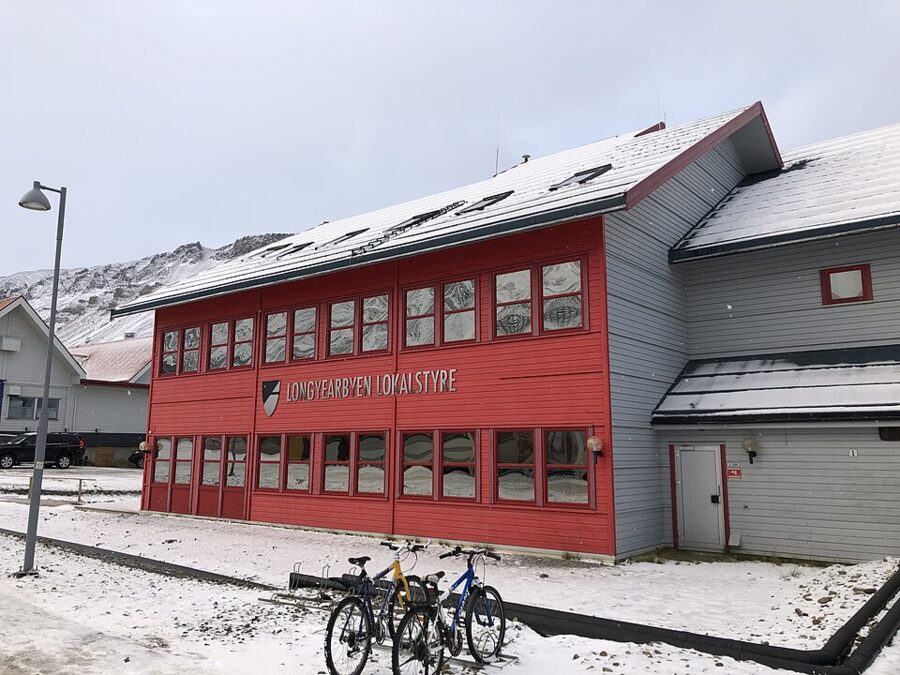

A member of the Storting who questioned the justice minister about the change in 2022 put the number who lost the vote at a third of the town’s residents. At the first election under the new rule, in 2023, turnout among those still entitled was 59.6 per cent, and the next election is due in October 2027. Since late 2025 the council’s politicians have held quarterly dialogue meetings for foreign residents in the library, whatever their voting rights; the last of 2026 is on 26 November at 18:00.
Citizenship may be next. In September 2026 the Ministry of Labour and Social Inclusion sent out a proposal that time lived on Svalbard should no longer count towards Norwegian citizenship, for Nordic citizens or anyone else, with a two-year transition period. The consultation closed on 19 October 2026 and no decision had been made by late November 2026.
The 2024 white paper and who owns the houses
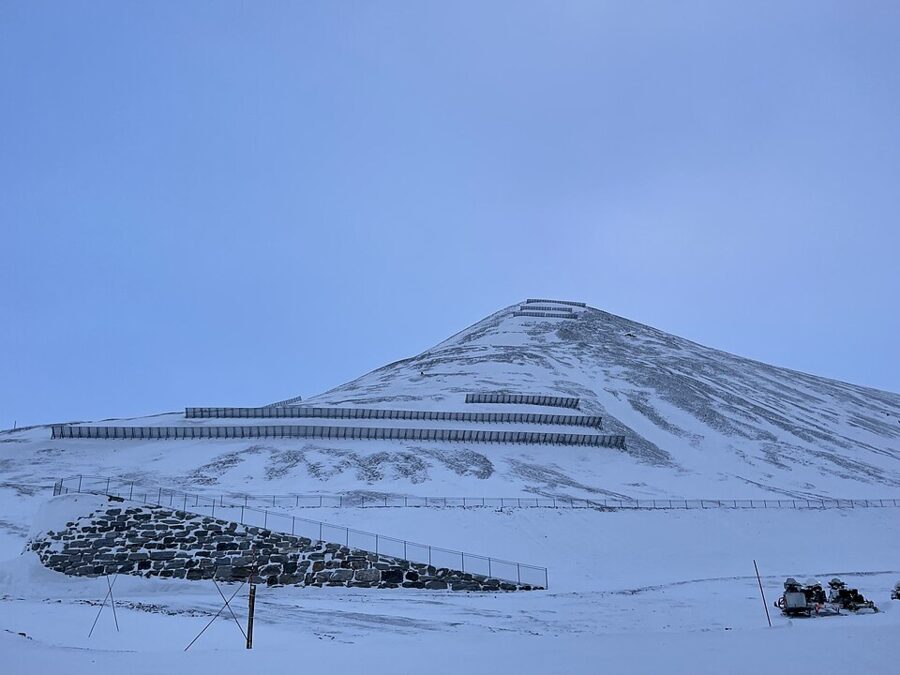
The direction behind these changes is written down. The government’s white paper on Svalbard of 31 May 2024 set out to strengthen “the Norwegian family community” in Longyearbyen and take a firmer state grip on infrastructure, energy and property. The council’s summary of the white paper lists the parts that touch daily life: finishing the avalanche defences, a proposed visitor contribution from tourists, and a review of the water and power supply.

Housing is the sharpest tool. The state-owned building agency Statsbygg already managed more than 280 homes for public employers in November 2024, and the government wants the council’s own housing transferred to it, as the justice minister confirmed in a written answer to the Storting. Whoever controls the flats decides a good deal about who can live in town, and that is the point.
Tax
Svalbard is its own tax area, with its own tax law and its own tax office. For 2026 the Storting kept the Svalbard tax rates at 8 per cent on wages up to twelve times the national insurance base amount, about NOK 1.42 million in 2023, and 22 per cent above that, plus the national insurance contribution. There is no VAT and no employer’s contribution, and Norway’s tax treaties with other countries do not cover Svalbard.
You count as resident for tax once you have stayed 12 months, and stop if you spend more than 183 days away in a 12-month period. Anyone working there for at least 30 days at a stretch pays Svalbard tax on that income. The low rate is real; it does not make the town cheap.
Housing: the job comes with the flat
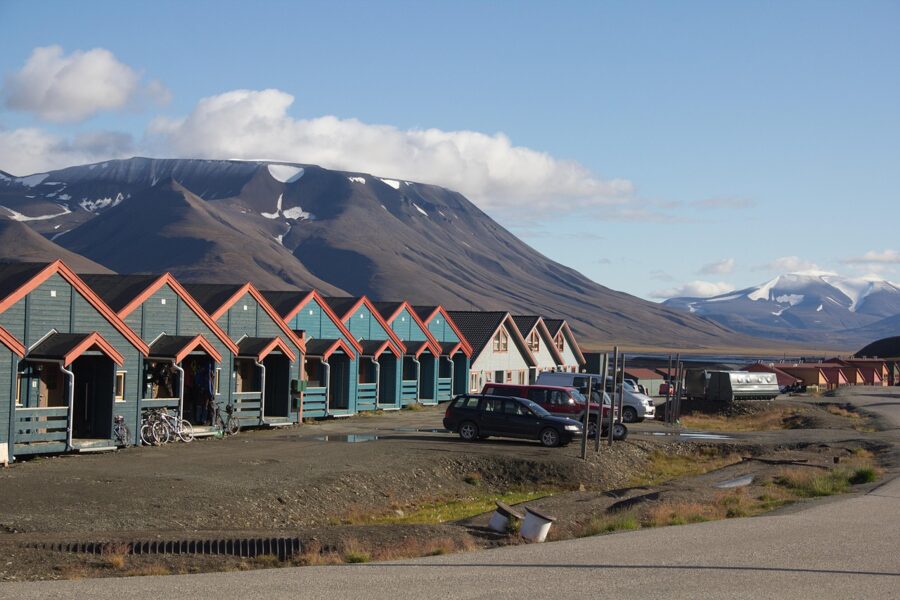
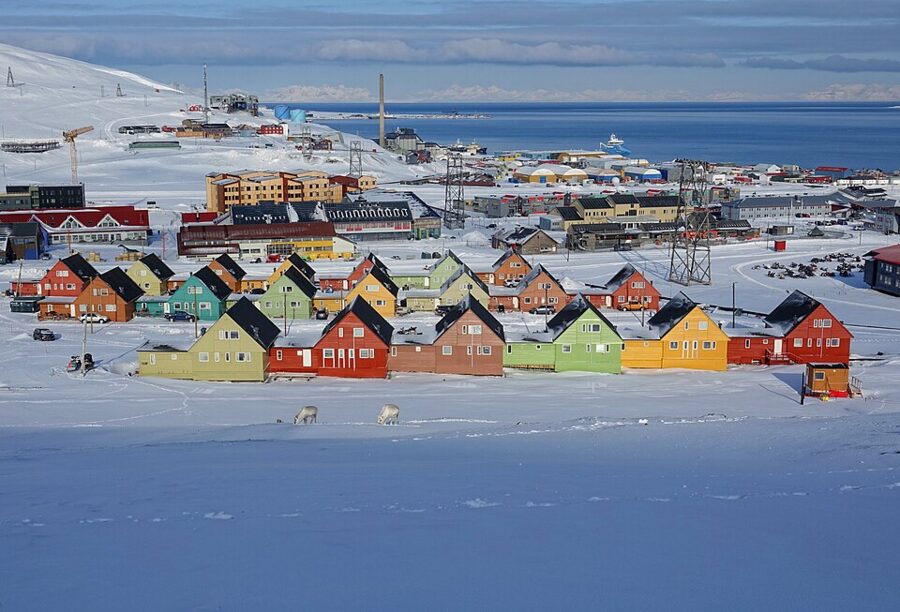
The Norwegian state, through the Ministry of Trade, Industry and Fisheries, owns 98.75 per cent of the land on Svalbard and all of it in Longyearbyen. In practice you cannot buy a plot and build. Some private homes have been built on leased land and sold or let to private owners, and the Governor’s own description of their prices is “very high”.
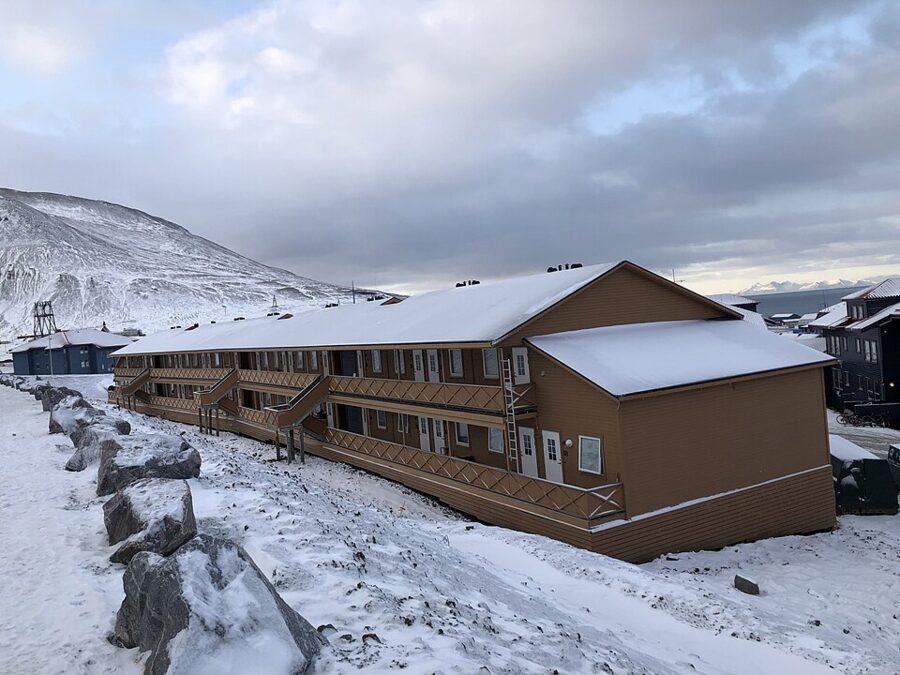

The council’s guide for new residents names the two biggest landlords as Statsbygg and Store Norske Boliger, both state-owned. They rent mostly to employers, which pass the flats on to staff, often at a subsidised rent. Store Norske Boliger also lets some homes privately, and the rest of the private market lives on finn.no and in local Facebook groups.
The consequence shapes everything. If you lose or change your job, you lose the employer’s flat and need a new one from the next employer or a sublet. Crowding is, in Statistics Norway’s words, much discussed in Longyearbyen.
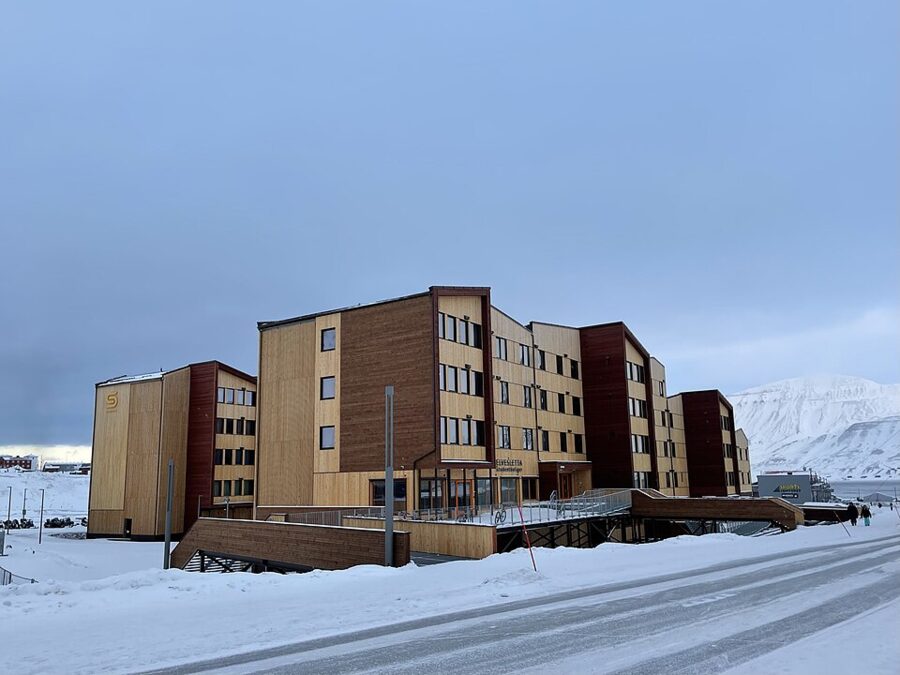

Once you are a registered resident, you may buy a flat or cabin if one comes up. The council warns that the process can be slow and that Norway can block sales to foreigners. Every house is heated by district heating from the power station, and every building with a kitchen must have a food-waste grinder.
Moving your things
Most removals arrive by ship, and the council recommends packing for rough seas and booking space early with Bring Svalbard. Because there is no VAT, you can ask a mainland shop to sell you furniture without it; not every shop will, and not every online store ships to Svalbard at all.
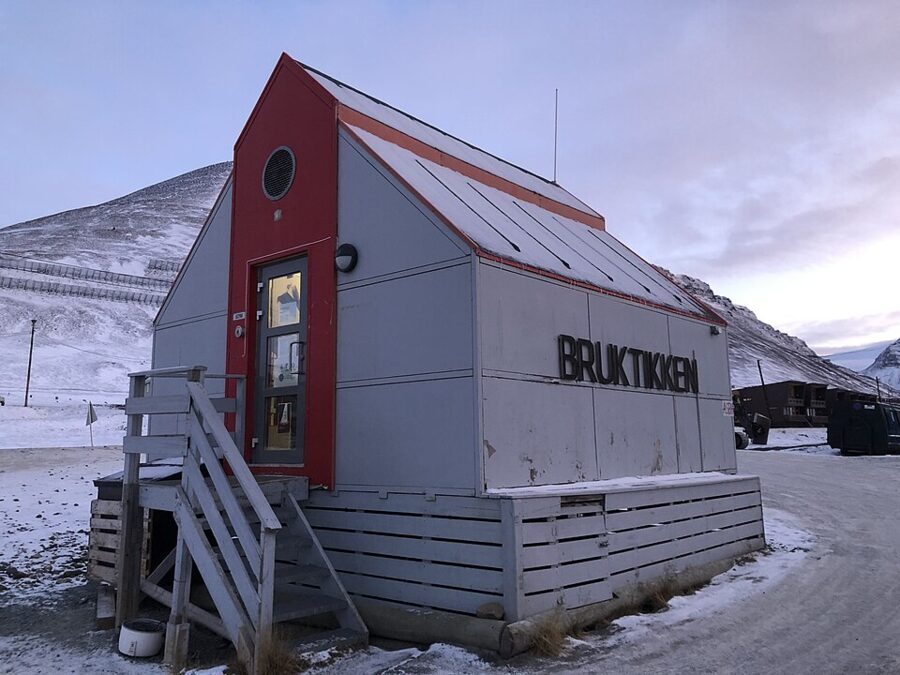

Second-hand furniture changes hands constantly as people leave, through the Kjøp/salg Longyearbyen group. One habit to adopt on day one: shoes come off at the door, in homes, at public offices and hotels, and in some restaurants. It dates from the years when coal dust covered everything, and newcomers are told to bring indoor shoes.
The polar bear and the rifle
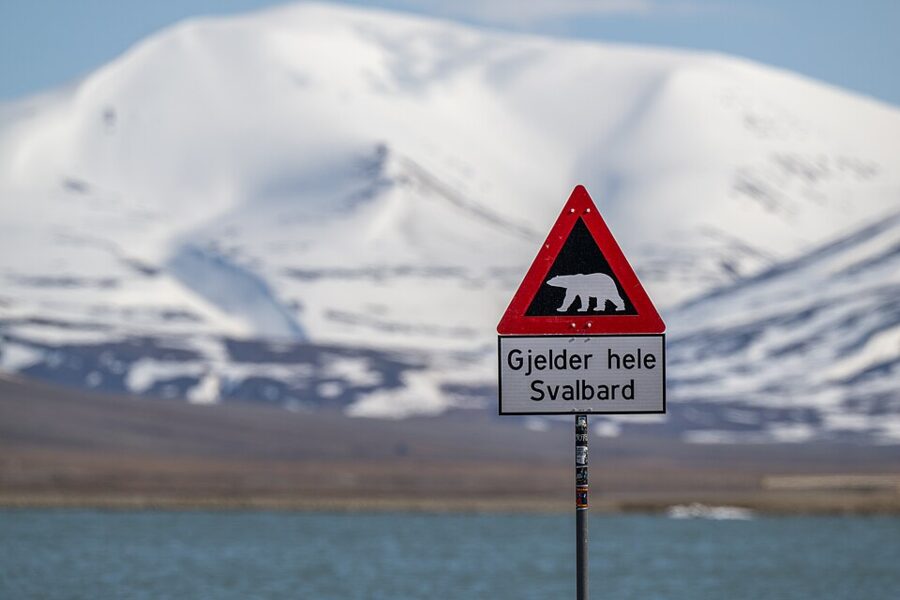
Polar bears can turn up anywhere on Svalbard at any time of year. The Governor’s rule is that everyone who goes outside the settlements must carry suitable means of scaring off a bear, and the Governor recommends a firearm as well. For anyone who hikes, skis or drives a snowmobile out of town, that means a rifle.

Getting a licence
The Governor issues firearm licences for polar bear protection to people registered in the Svalbard population register. You must be at least 18 and meet the usual tests of conduct, sobriety and suitability, and foreign residents are asked for a police certificate from home no older than three months. You also have to document competence with the weapon, through military service, a shooting club, the hunting exam or a safety course.
For polar bear protection the Governor approves a rifle in .308 or .30-06 with expanding bullets, or a 12-bore shotgun with slugs; the council’s advice adds that a pistol is not considered enough. A first licence costs NOK 1,495, according to the Governor’s firearms page, and since March 2026 processing has taken up to eight weeks. A rifle bought for polar bear protection cannot go to the mainland: it must be sold before you leave Svalbard.
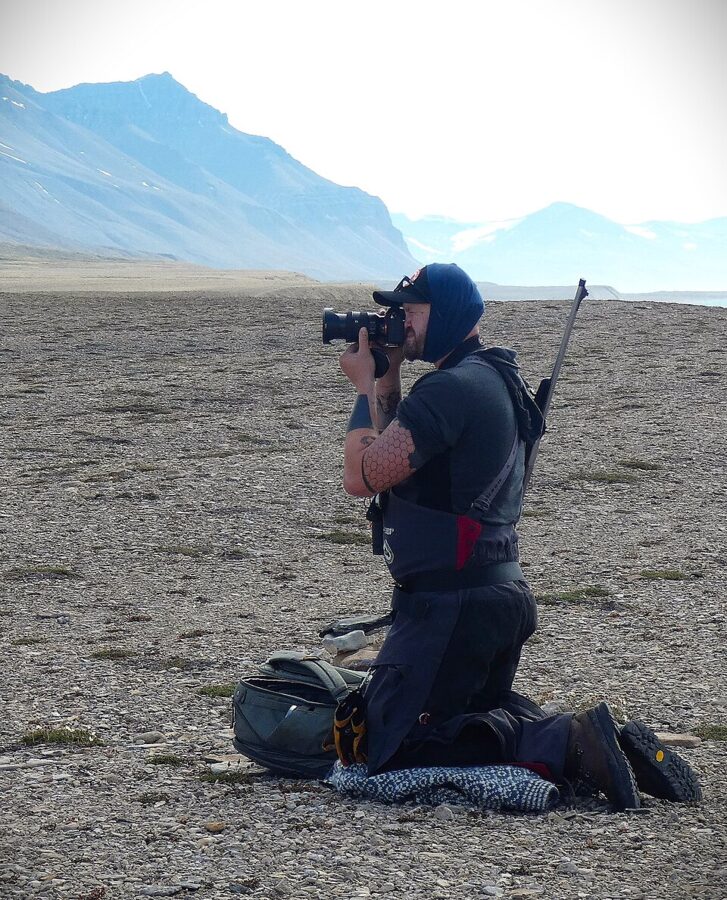

If you only need a rifle now and then, you can apply for a permit to borrow one for NOK 248, on the same conditions, and borrow it from a dealer or another owner who signs a loan declaration. At home, weapons are kept in an approved safe, with ammunition locked away separately.
In town and outside it
In Longyearbyen a rifle is carried so that everyone can see it is unloaded, and never into shops or public buildings. Outside, the environmental rules that took effect on 1 January 2025 require everyone to keep at least 300 metres from a polar bear, 500 metres from 1 March to 30 June, and to withdraw if one is close. Residents who camp in the same place for a week or more now need a permit and an organised bear watch.
The field safety regulations in force since 1 January 2026 require rescue insurance of tourist and field operations, but not of permanent residents. A resident can still be billed for a rescue caused by deliberate or grossly negligent behaviour.
The dark, the light and the sun on the hospital steps
Longyearbyen’s year is measured in light rather than temperature. By met.no’s sunrise tables for 2026, the sun stays below the horizon from 27 October to 14 February, and from 13 November to 29 January it stays at least six degrees below it, so noon looks no different from midnight. Either side of it, from October to early November and through February, comes a long blue twilight.
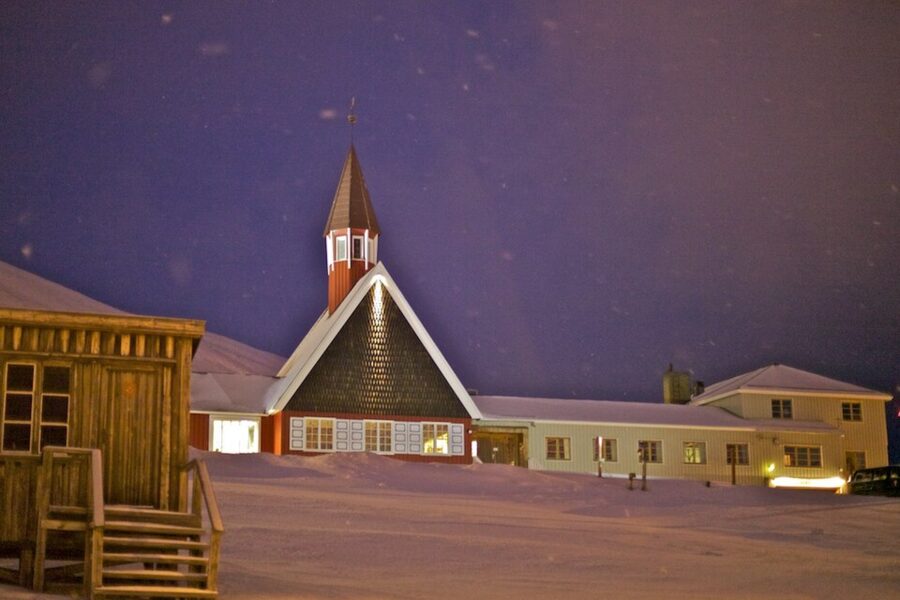

The dark season is when the town is most sociable: festivals, concerts, long dinners, and on a clear day the northern lights at lunchtime. It is also when people who struggle with the dark find out, and the hospital has no psychologist.
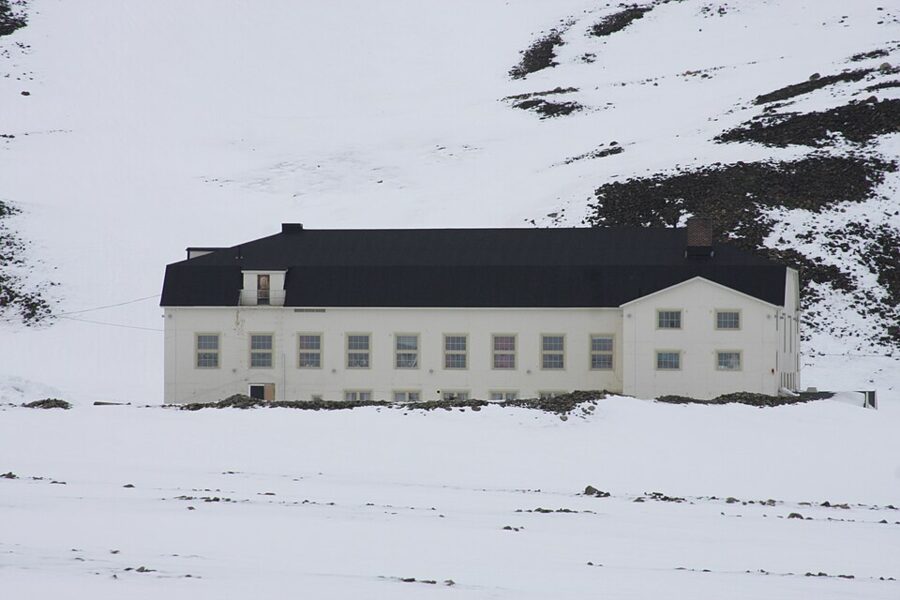
The sun comes back to the town on 8 March. By tradition people gather on the steps of the old hospital, and the sun is declared back when its rays reach them; the Sun Festival Week around it ran from 1 to 14 March in 2026, with concerts, revues and an outdoor church service. After that the light comes fast. The midnight sun lasts from 19 April to 23 August.
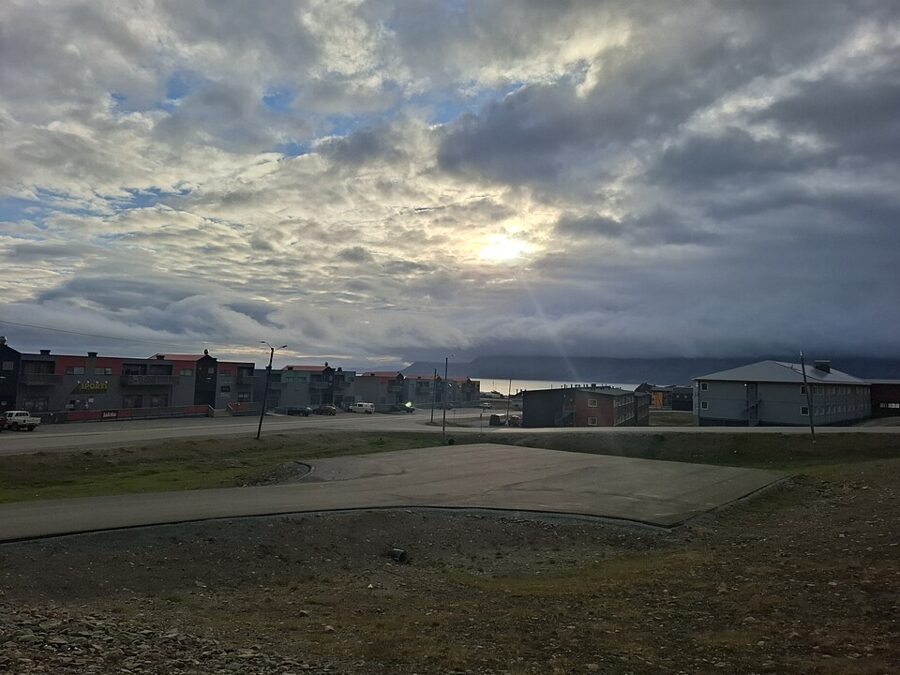
The climate is changing under the town
The temperature series from Svalbard Airport, which goes back to 1898, shows warming of 0.35°C per decade from 1899 to 2025, about three times the global trend, according to the Norwegian Meteorological Institute’s figures for the Svalbard environmental monitoring programme. Winter and spring have warmed fastest. Days below −20°C have become rarer, while mild spells, rain on snow and days that cross zero have become more common.
For residents that shows up as wetter winters, less dependable snow and more days of thaw in the middle of the dark season. Annual precipitation at the airport has risen by about 3 per cent per decade.
What it costs to live there
There is no official price index for Svalbard: Statistics Norway stopped publishing its Svalbard consumer price index in 2013, after the consumer survey behind it proved too thin. What you can describe is a pattern rather than a number. Wages and tax favour you, VAT does not exist, and anything that comes by plane or ship, which is almost everything, carries the freight.
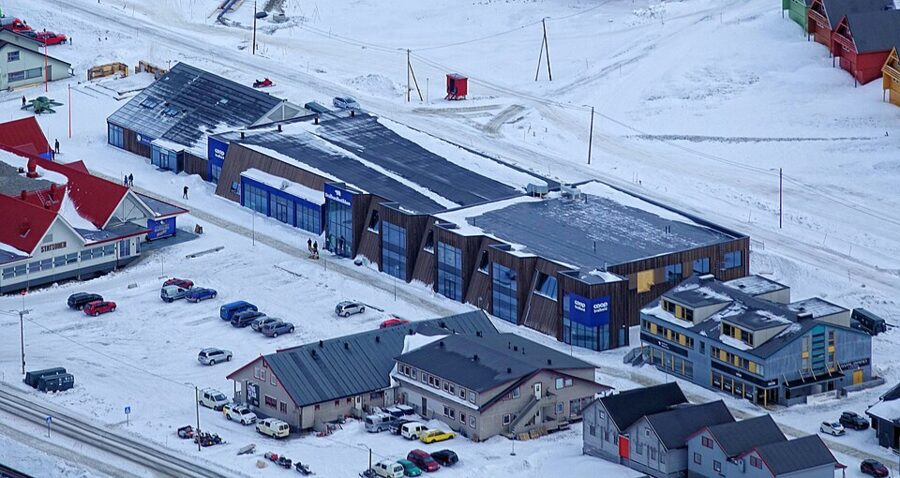

One supermarket and a quota
Svalbardbutikken, the town’s only full grocery store, sells food, household goods and tax-free cosmetics and electronics. Fresh food has to be flown or shipped in; a local greenhouse grows some herbs and vegetables.
Alcohol is sold tax-free but rationed. Under the alcohol rules for Svalbard, a registered resident may buy each month up to two bottles of spirits (or four of fortified wine), half a bottle of fortified wine and 24 cans or half-bottles of beer, while table wine has no fixed limit. You show proof of residence and ID at Nordpolet, and residents may not bring duty-free alcohol up from the mainland.
Money, cars and water
Longyearbyen has had no bank branch since SpareBank 1 Nord-Norge closed it on 31 December 2020, and no cash machine. Shops take cards and phone payments, the supermarket also takes Norwegian kroner in cash, and the bank sends staff up for appointments from time to time. For foreigners without a mainland address, getting BankID, and with it the Vipps payment app, can take persistence.
Cars carry no VAT or import duty, but there are only about 45 km of road and many residents manage with a bicycle on winter tyres. Taking a car south means paying the tax and the shipping, so most are sold locally before people leave.
One cost nobody budgets for: since September 2025 the tap water has not met the health limits in the drinking water regulations, at first because of manganese and later because of sulphate and nickel. The council’s drinking-water advice, last updated 12 May 2026, is not to drink from the tap, and free water has been available to fill your own containers from a bulk tank at Svalbardbutikken.
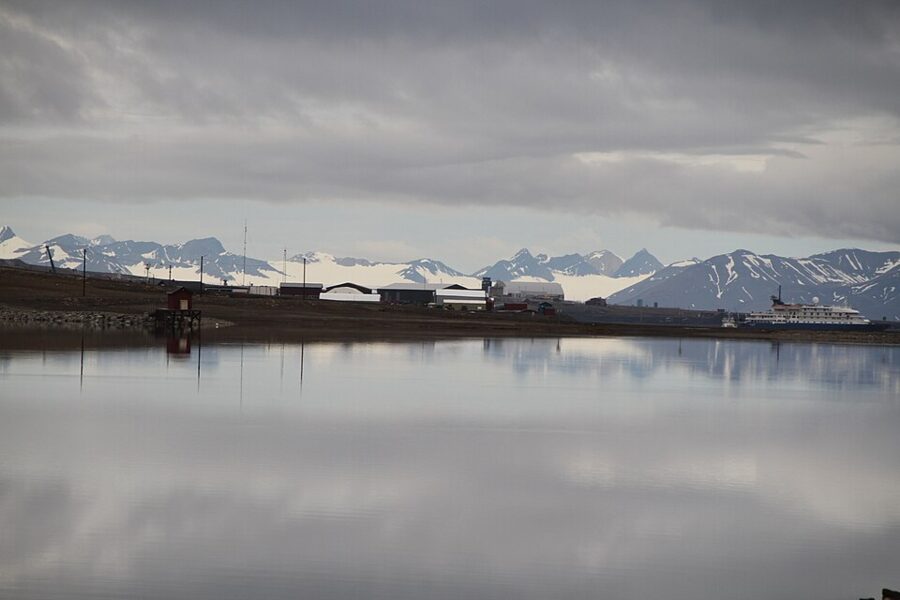

On 19 November 2026 a study of the future water supply recommended keeping Isdammen as the main source with better treatment, and building a desalination plant at Hotellneset as a backup. The estimate is NOK 623 million at 2026 prices, with the backup about three to four years after the main upgrade, and the council warns that water charges could rise sharply unless the state pays a large share.
Health care, births and the burial rule
Longyearbyen sykehus is a small emergency hospital run by the University Hospital of North Norway (UNN), and also the town’s everyday doctor’s surgery. In 2023 it had 22 full-time posts, including four doctors, and six beds, one of them for intensive care, with a team on call around the clock.
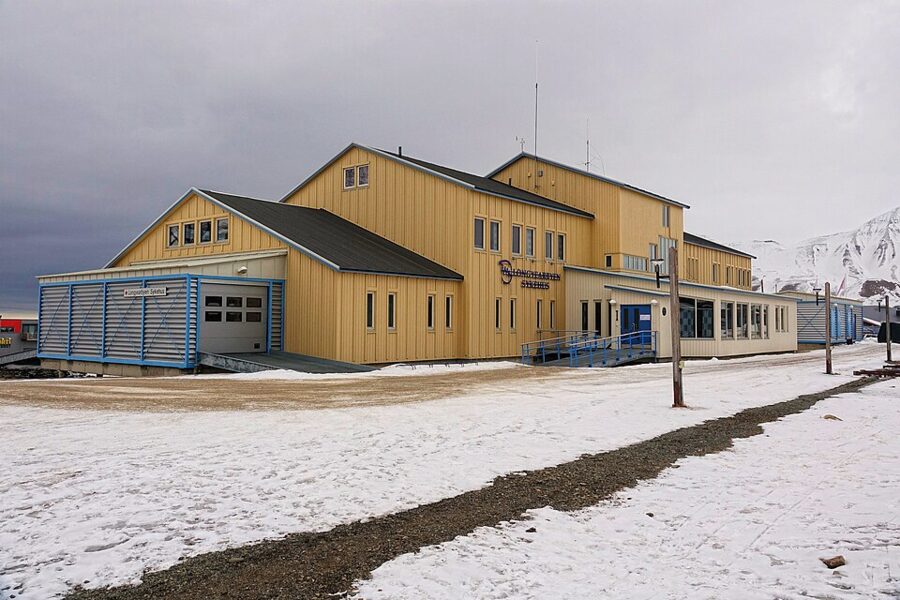

What it lacks matters as much. UNN’s own description lists no planned operations, limited diagnostics, no CT or MRI scanner and no delivery room; the council adds that there is no psychologist and no long-term care. Acute cases that cannot be treated locally go to UNN in Tromsø, and the council’s advice is blunt about chronic illness: it is not treated on Svalbard, so you are treated on the mainland or go home.
Who pays depends on status. Members of the National Insurance Scheme pay the normal patient charges, and so do foreign citizens with a Norwegian employer. Tourists and foreign residents without a Norwegian employer, including self-employed foreigners, pay the full cost, and because Svalbard is outside Schengen, a European travel policy may not cover it at mainland levels.
Born elsewhere
A midwife at the hospital follows pregnancies, but there is no delivery room, and Statistics Norway’s notes on its Svalbard figures state the main rule: all births are to take place on the mainland. It still records births to residents, 16 in 2025, but they take place on the mainland.
Old age elsewhere too
The council’s own wording is that Longyearbyen should be a sound local community but not a livsløpssamfunn, a place to live out a whole life, and it has no duties or budget for elderly care. On 1 July 2026 only 53 registered residents were 67 or older. People who need care, or simply retire, are expected to move south.
The burial rule
The story that dying is illegal in Longyearbyen is a myth with a real rule inside it. Under the regulation on Longyearbyen’s cemeteries, coffin burial is not permitted, because frost heave in the permafrost can push buried objects back up towards the surface.
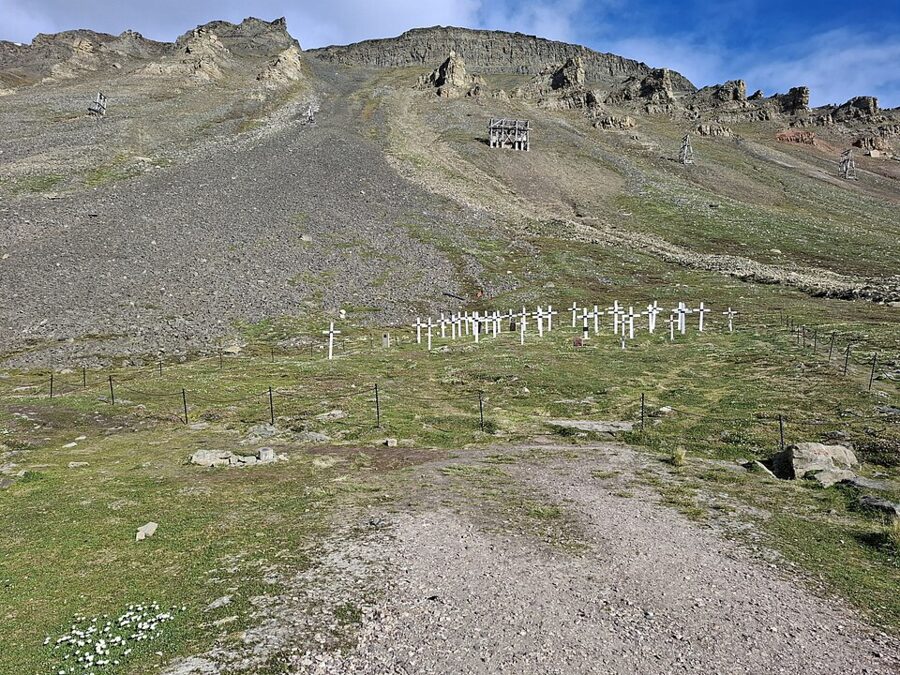
Urn burial is allowed, and anyone who was resident on Svalbard at death has a right to an urn grave in Longyearbyen, free of charge. The Governor can also give permission to scatter ashes on the archipelago, away from built-up areas, where the dead person or their family asked for it.
Children and school
Longyearbyen has two kindergartens, Kullungen and Polarflokken, for children aged one to six, from two to five days a week, and applications close on 15 March. Longyearbyen skole takes pupils from year 1 to year 10, with an after-school club for the youngest and an upper-secondary department.
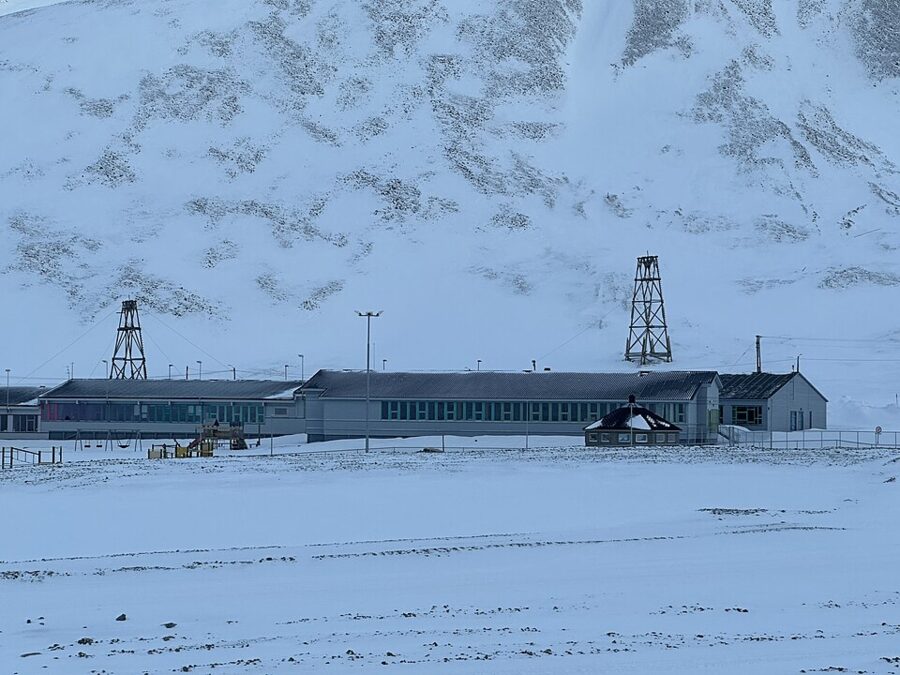

Two limits matter before you move with children. Pupils need a set level of Norwegian to follow upper secondary, and the right to special-needs support in the kindergarten act does not apply in Longyearbyen; the council says plainly that a child whose needs fall outside what the school can offer cannot attend. There is a youth club for pupils from year 5 up to age 20, and a cultural school in the school building.

Social life: clubs, festivals, pubs, dogs and snowmobiles
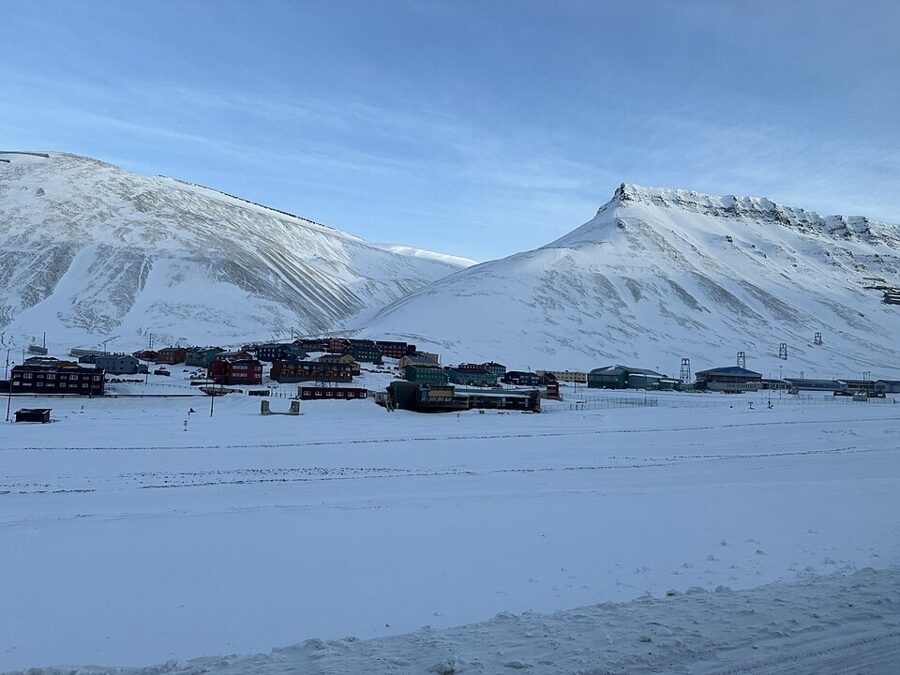
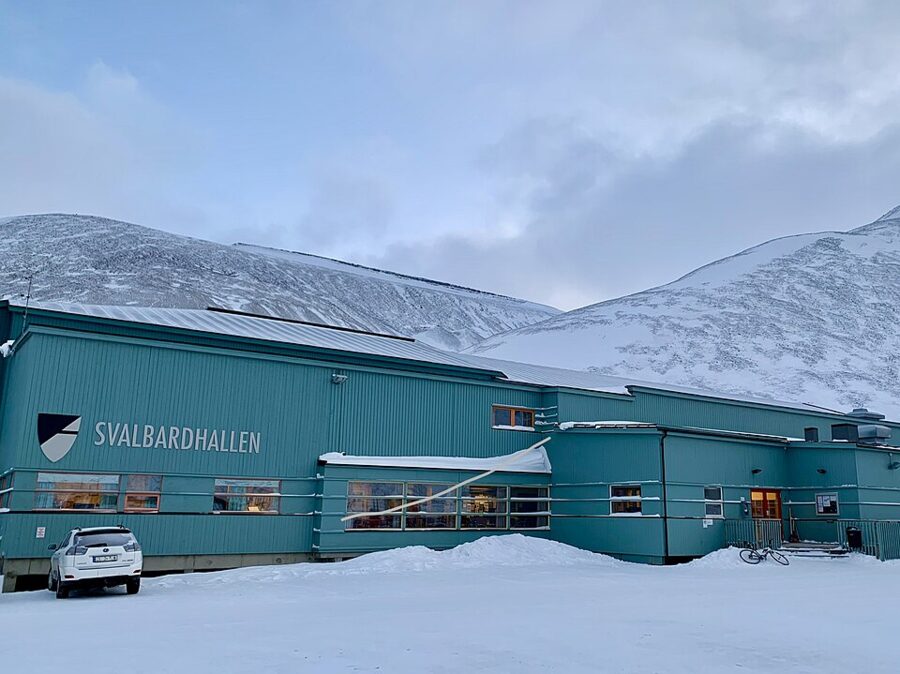
A town of 2,500 that knows most of its residents will leave within a few years has to build its social life on purpose, and Longyearbyen does. Work comes first, then children’s events, then the clubs: music, film, photography, knitting, golf, sailing and the sports club Svalbard Turn.

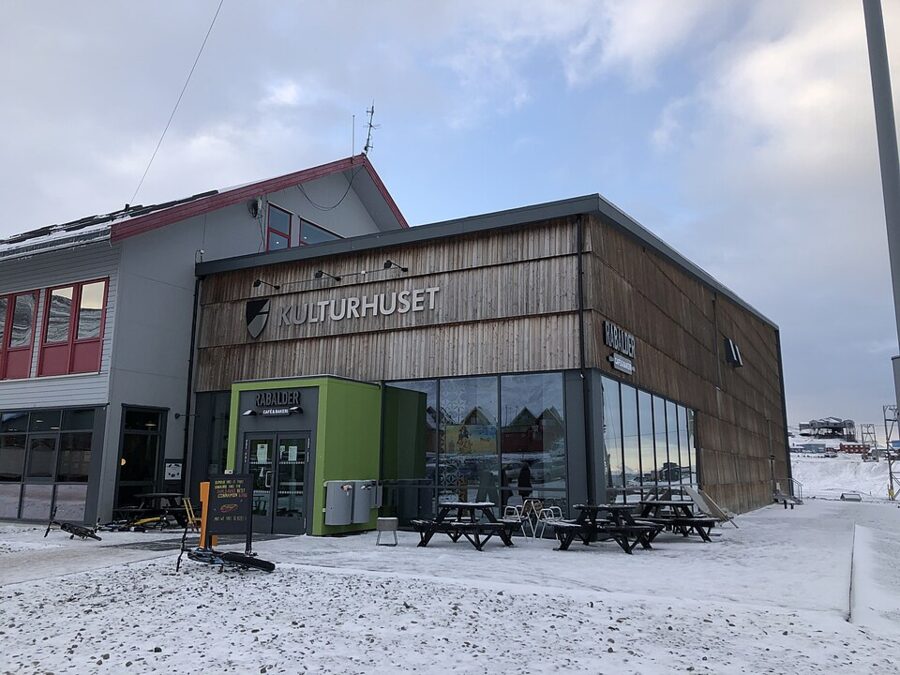
Kulturhuset, opened in 2010, is where the cinema and the concerts are. News that matters on the day, from avalanche warnings to who is selling a snowmobile, moves through the private Ros & Info Longyearbyen Facebook group and the council’s resident app; the local paper, Svalbardposten, is in Norwegian and by subscription.

Festivals through the dark
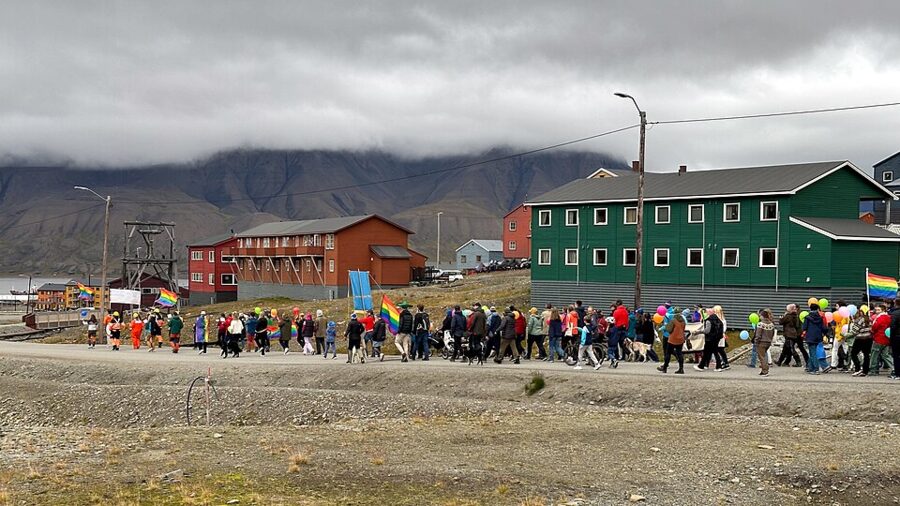
The calendar is packed most tightly into the dark season. Polarjazz has been held on the first weekend of February since 1997, followed by the Arctic Chamber Music Festival later that month. The Dark Season Blues festival marks the start of the dark each October and in 2026 ran from 23 to 26 October. In between come the Sun Festival Week in March, the Svalbard Ski Marathon in April, the Spitsbergen Marathon in June, Longyearbyen Pride at the end of August and a literature festival in September.

Pubs and the after-work beer
Longyearbyen has more restaurants and bars than its population would suggest, because of the visitors. Karlsberger Pub sits in the centre, and Huset, between the centre and Nybyen, is a restaurant Visit Svalbard describes as having an impressive wine cellar. Visit Svalbard also describes the after-work beer outdoors in mittens as a local habit; the alcohol quota is the local brake.



Snowmobiles as cars
From late January or February, depending on snow, the snowmobile becomes the family car. There are separate snowmobile tracks through the centre, a Norwegian class B driving licence covers snowmobiles, and the motor traffic rules let permanent residents drive in larger areas than visitors may. Since 2025, driving on the sea ice of selected fjords has been banned after 1 March.
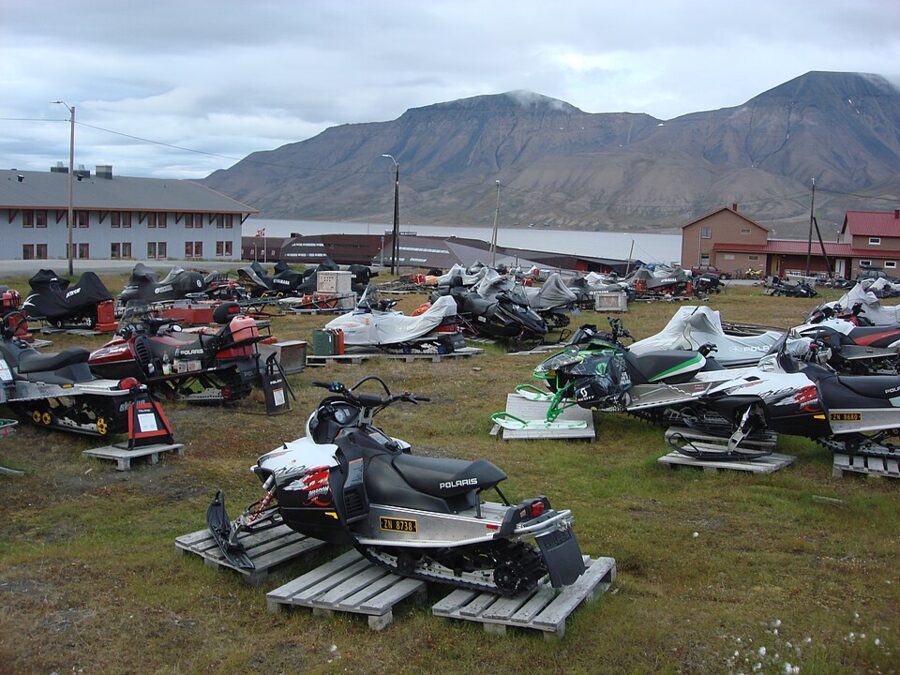
Friday evening in spring means loading the sled after work and heading out for the weekend with family or friends. The council’s advice to newcomers is to go out with a guide or experienced friends at first, because avalanches, glaciers and sea ice all need local knowledge, and to carry a GPS and a satellite emergency beacon.
Dogs, and no cats
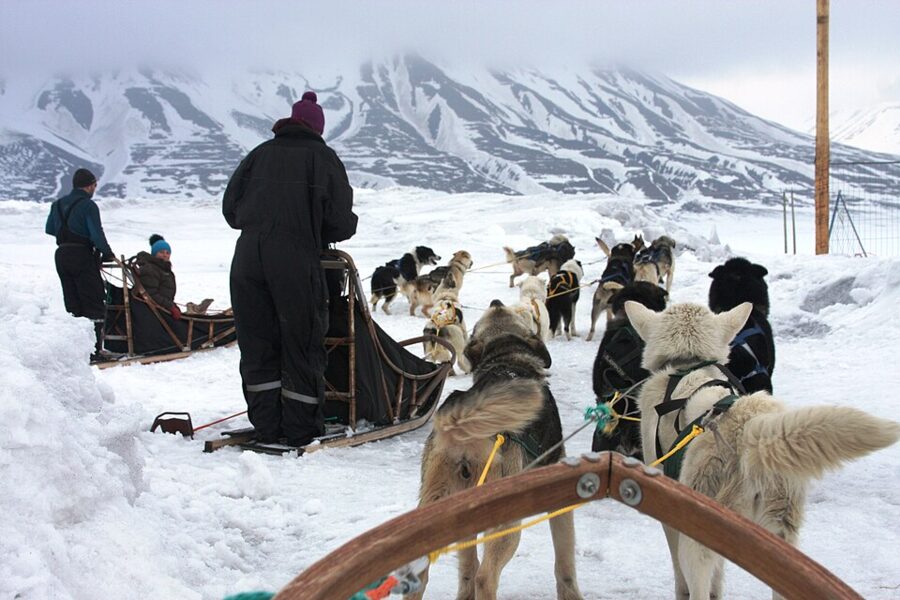
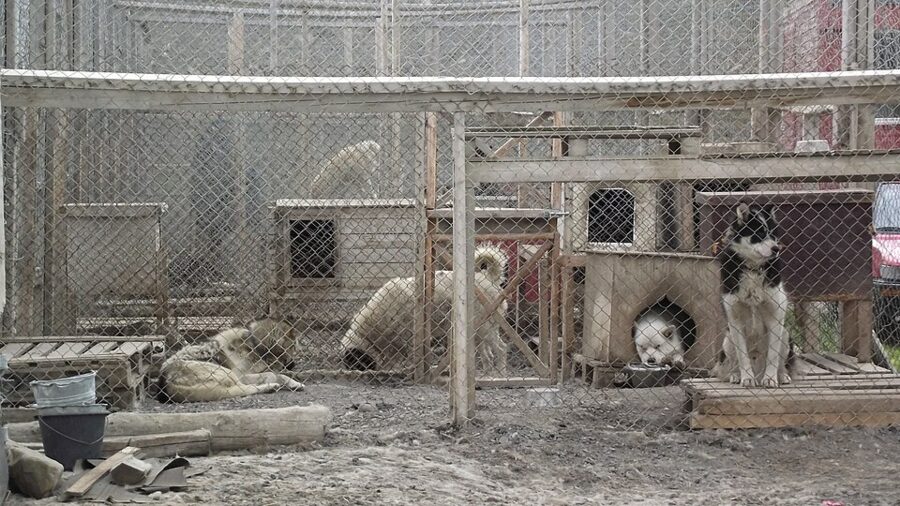
Longyearbyen has around a thousand sled dogs, according to Visit Svalbard, and dogs are a common sight in town. Bringing your own needs a permit from the Norwegian Food Safety Authority, the Governor’s pet rules say, and cats are not allowed on Svalbard at all. Retired sled dogs from the tour companies are often adopted, and how those yards are run is worth a look before you adopt or book, as with any animal tourism in the Arctic.


How to move there
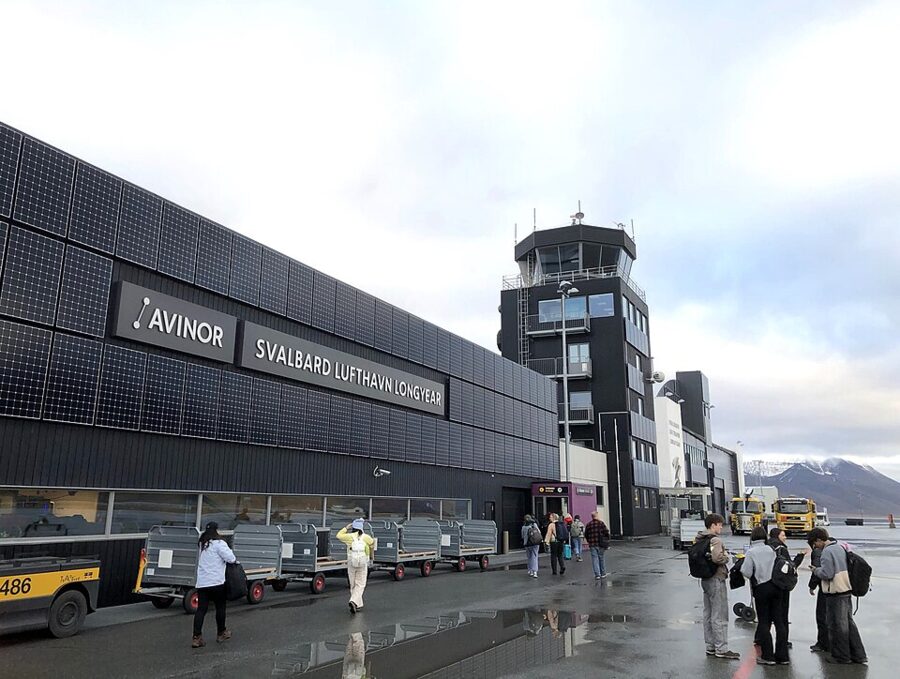
The order is fixed: job, then housing, then everything else. Vacancies appear on NAV, the Norwegian labour administration, in Norwegian only; for service and seasonal work the usual route is to ask the hotels, restaurants and tour companies directly. Most full-time posts require fluent Norwegian, while many tourism jobs do not.
Once you have a contract and an address and plan to stay at least six months, you book an appointment with the tax office in Longyearbyen and register as a resident. That gives you a D-number if you have no Norwegian ID number, and the confirmation of residence you will need for almost everything else: the alcohol card, a firearm licence, a bank account, a school place.
What to bring
- A passport that stays valid for your whole stay: renewing one on Svalbard is difficult.
- Furniture, if your flat is unfurnished: there is little to buy in town except second-hand.
- Proper winter clothing, a headlamp, reflectors and indoor shoes.
- Papers for a firearm licence: a police certificate under three months old and proof of weapon competence, translated into Norwegian or English.
- For a dog, the Food Safety Authority permit, applied for at least four weeks before you travel.
The council holds information meetings for new residents at Kulturhuset; in 2026 there were two, in May and on 30 September. Norsk Folkehjelp runs free Norwegian courses and a language café at the library, which matters in a town where the school, the council and most permanent jobs work in Norwegian.
And visit first, once in the dark and once in the light: a trip to Svalbard as a tourist shows you both seasons before you commit to either.

The downsides, plainly
Turnover. One in five neighbours leaves every year. Friendships form fast and end at the airport, and children say goodbye to classmates every summer.
Isolation. The nearest city, Tromsø, is 90 minutes away by air when the weather allows. There is no psychologist or psychiatric care in town, and the dark lasts months.
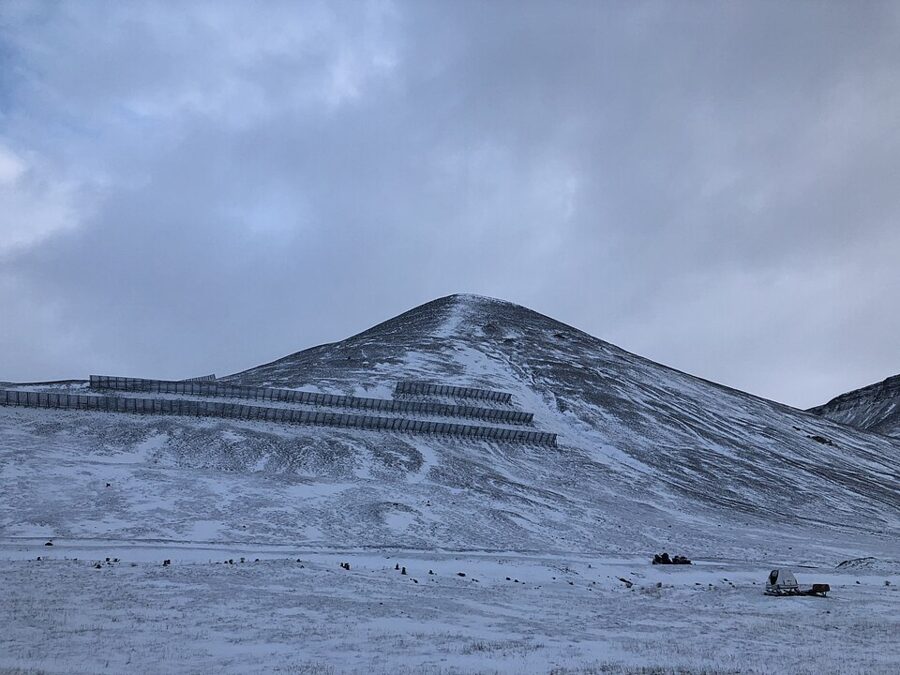
Avalanches. On 19 December 2015 an avalanche from Sukkertoppen hit the spisshus in Lia, wrecked eleven houses and killed two people, one of them a child. On 21 February 2017 another struck two houses; nobody was hurt, but many residents were moved out of their homes for good. The 2024 white paper commits the state to finishing the avalanche defences, but warnings and evacuations remain part of winter.

Insecurity. Your home depends on your job, your vote may depend on where you lived before, and your right to stay depends on your income. The state’s stated aim is more Norwegian families and a firmer grip on the town, and the rules since 2022 have moved in that direction.
Climate and infrastructure. Warmer, wetter winters, a water supply under repair and an energy system still running on diesel are the background noise of daily life.
None of this stops people coming. Visit Svalbard says that “I only planned to be here for one year” is a remark heard in town almost every day, and that describes the same town as the turnover figures, from the other side.
The town still promises nothing: no flat, no benefit, no grave for a coffin. If you want to know whether you could live with that, go in the first days of March, when the light has just returned, and be at the old hospital steps on 8 March when the sun reaches them.