

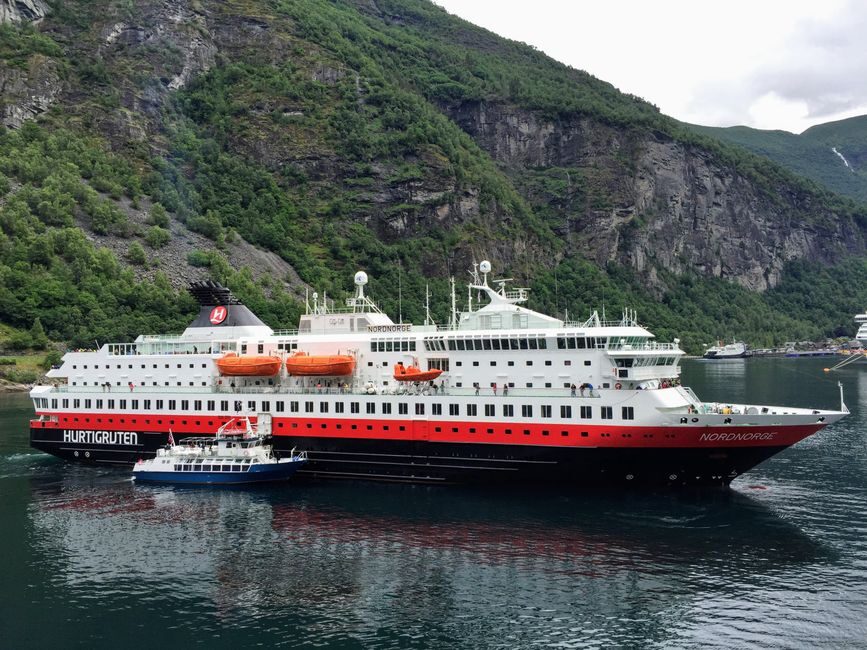
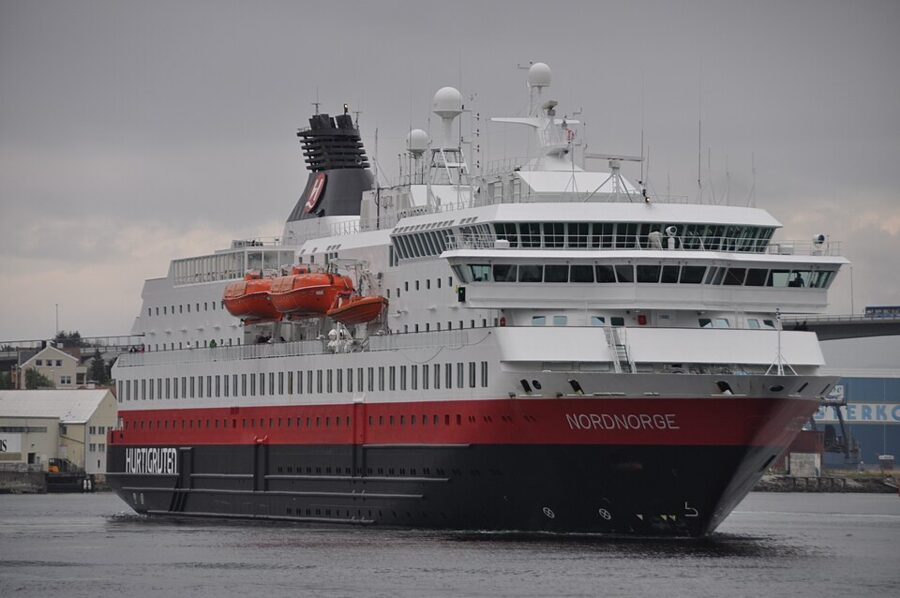
On 16 June 2011 NRK pointed eleven cameras at a coastal ship leaving Bergen and did not cut away until it tied up in Kirkenes 134 hours, 42 minutes and 45 seconds later. That broadcast, Hurtigruten minutt for minutt, is still on NRK TV, and it is one of the few Norwegian programmes you can stream from anywhere in the world. Skam is not. Neither are most of the dramas Norwegians talk about at work on a Monday, and the gap between what Norway watches and what the rest of the world can reach decides where you start.
Four questions decide whether a Norwegian series is worth your evenings: what it shows of the country, which Norwegian is spoken in it, where it was filmed, and whether you can watch it legally from where you are. The last answer changes fastest, because streaming rights are sold for a few years at a time, and every availability given is for November 2026.
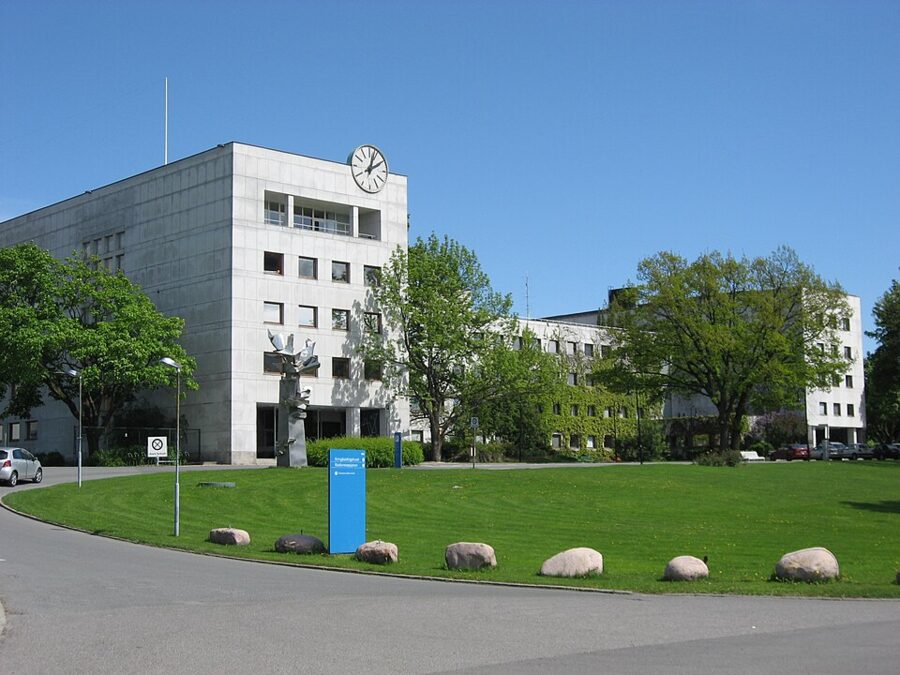

Most of the drama comes from NRK, the publicly funded broadcaster that commissioned Skam, Exit and Lykkeland. The rest comes from TV 2, from Viaplay and, since 2019, from Netflix, which has filmed Norwegian-language originals in Oslo, Odda and Røros for a global audience.
Contents 7 parts
Where to start: seven series and why
If you only have a few weeks of evenings, this is the order I would take them in. It mixes what is easy to reach with what is worth the effort of reaching.
- Lilyhammer (2012–2014): a New York gangster in witness protection in Lillehammer. Frank speaks mostly English, it is on Netflix, and it is the gentlest way in to how Norway runs, from the welfare office to the language class.
- Pørni (2021–2025, called Pernille on Netflix): a single mother in Oslo, her children, her newly out father and her job in child welfare. Everyday Oslo speech at a pace you can follow with Norwegian subtitles.
- Skam (2015–2017): four seasons at an Oslo upper secondary school. The best single source of how young Norwegians actually talk, but it streams only inside Norway.
- Lykkeland (2018–2024, State of Happiness): Stavanger the year oil is found offshore. If you want to understand why Norway is rich and slightly embarrassed about it, start here.
- Ragnarok (2020–2023): Norse gods reborn as teenagers in a polluted fjord town. Not the best drama on the list, but it is on Netflix everywhere, with Norwegian audio and subtitles, and it was filmed in Odda.
- Hurtigruten minutt for minutt (2011): the full coastal voyage, Bergen to Kirkenes. Free on NRK TV abroad, with Norwegian subtitles on every word spoken.
- Der ingen skulle tru at nokon kunne bu (2002 onwards): portraits of people living at the end of roads, or past them. Narrated in Nynorsk, slow, and also free to stream outside Norway.
Drama and crime
Norwegian crime television gets filed under Nordic noir, and some of it earns the label. The better series use a crime as a way into something else: money, class, the oil fund, a small town where everybody knows the police chief’s children.
Skam (NRK, 2015–2017)
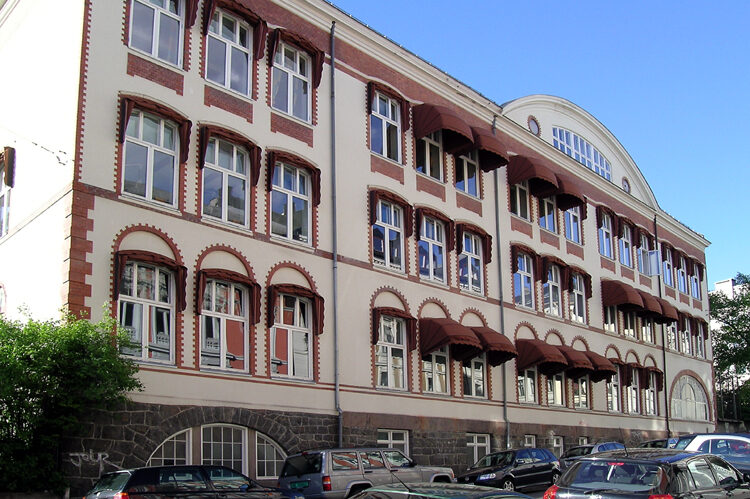
Skam (shame) was made by NRK P3, the youth channel, to win back teenagers it had lost to other channels and the internet. Julie Andem wrote and directed every episode, and the story was released in real time: the first clip went up on the series website on 22 September 2015 at 14:32, short scenes followed through the week as they “happened”, the characters kept Instagram accounts, and on Fridays the clips were stitched into an episode. Each of the four seasons follows one pupil at Hartvig Nissens skole, a real upper secondary school on Frogner in Oslo: Eva, Noora, Isak and Sana.
What it shows of Norway is the russ year (the final-year celebration, with its party buses), the parties, the first loves, and a Muslim girl in a hijab who is the sharpest person in every room. Season three, Isak’s, travelled furthest; fans abroad subtitled the clips themselves before any broadcaster had bought it. By the end of 2017 seven countries, from the US to Italy, had signed up to make their own versions.


For a learner it is ideal and frustrating at once. The speech is fast Oslo youth Norwegian, full of English loanwords, and NRK keeps the whole series on NRK TV with no end date on the rights, but in November 2026 it plays only inside Norway. The Store norske leksikon entry on Skam is the best short account of how it was made.
Lykkeland / State of Happiness (NRK, 2018–2024)
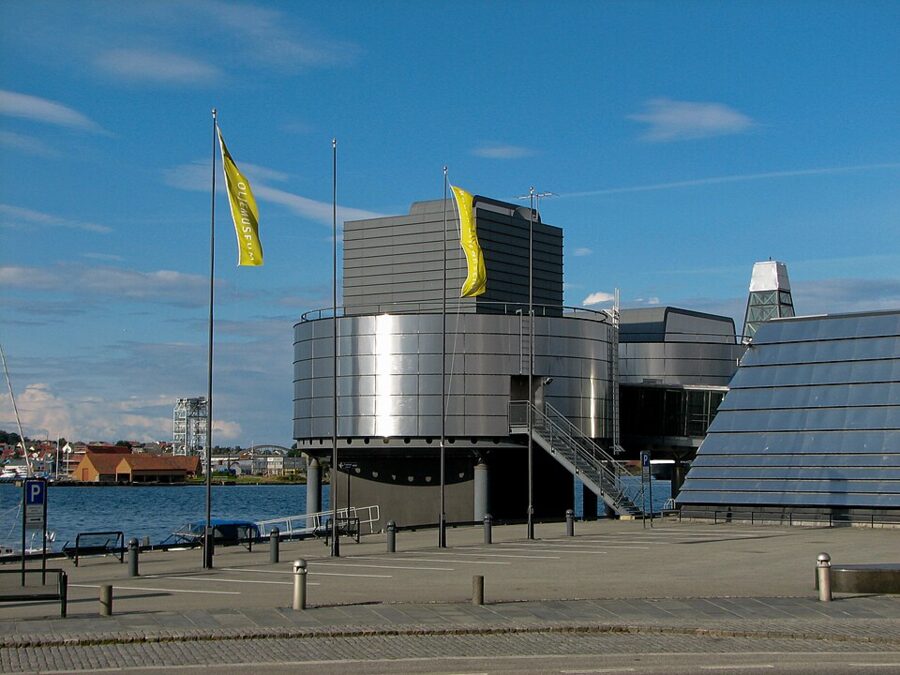


Lykkeland (roughly, the land of good fortune) opens in Stavanger, a pious town of fishing, shipping and farming, just as the oil companies are about to give up on the North Sea. Then they find oil. Three seasons follow a handful of families from the first discovery through the 1970s and 1980s, and the series is good on what money did to a pietist town: who got rich, who was left behind, and how fast the old rules went.
The first season won five Gullruten awards, Norway’s television prizes, including best drama. NRK holds the rights until August 2028, but it is geoblocked outside Norway. If you go to Stavanger, the Norwegian Petroleum Museum on the harbour covers the same story with the hardware: on 24 November 2026 it was open 10:00–16:00.
Exit (NRK, 2019–2023), and Detective Hole (Netflix, 2026)
Exit follows four very rich men in Oslo’s finance world who find their lives unbearably boring, and treat drugs, sex and tax fraud as hobbies. The creators say the stories came from interviews with people in finance, their spouses and investigators at Økokrim, the economic crime unit, and have never shown the sources. The first season became the most streamed NRK series ever in October 2019, with more than a million streams.
It is ugly and very well made, and it is the clearest picture on screen of the Oslo money that visitors to the city never see. NRK’s current rights to all three seasons run from 1 June 2026 to May 2033; they are rated 15+ and blocked outside Norway.
Netflix’s Detective Hole (Jo Nesbø’s Harry Hole in Scandinavia), released on 26 March 2026, adapts Nesbø’s novel The Devil’s Star with Tobias Santelmann as Harry and Joel Kinnaman as his corrupt colleague Tom Waaler. It was shot over 113 days in 2024 at more than 160 locations around Oslo, which makes it a long, dark tour of the capital, and it streams with Norwegian audio and Norwegian subtitles.
Mammon (NRK, 2014–2016)
A journalist, Peter Verås (Jon Øigarden), gets a tip about a financial scandal and finds his own brother in the middle of it. The second season moves the conspiracy into the prime minister’s office. Mammon won the International Emmy for best drama in 2017, the first Norwegian drama to do so, and it is one of the few NRK dramas you can watch abroad: in November 2026 Mammon on NRK TV plays outside Norway, with Norwegian subtitles on all speech.
Okkupert / Occupied (TV 2, 2015–2019)
Built on an idea by Jo Nesbø, Okkupert imagines a near future in which a newly elected green government stops all oil and gas production and Russia, acting for the EU, quietly takes over the country to keep the gas flowing. At NOK 90 million it was the most expensive Norwegian series ever made at the time, and the Russian ambassador in Oslo complained about it in 2015. The politics have aged in an uncomfortable direction since. It started on TV 2, moved to Viaplay for season two and ended on Viasat in 2019; outside Norway, check your own country’s services.
Wisting (Viaplay and TV3, 2019 onwards)
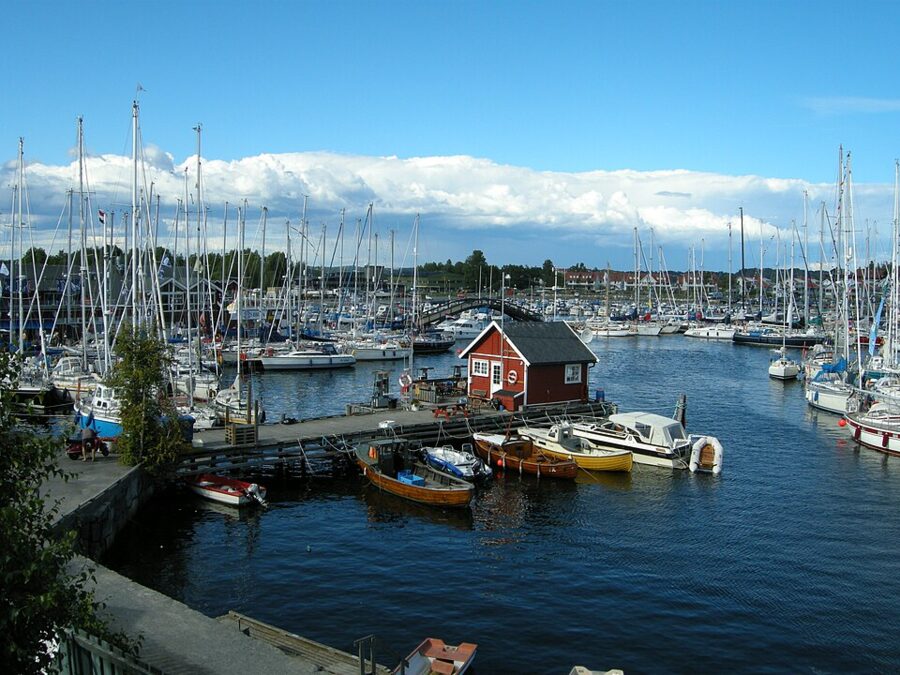

William Wisting (Sven Nordin) is a police detective in Larvik, the coastal town in Vestfold where Jørn Lier Horst, who wrote the books, led investigations for the Vestfold police until 2013. The first season, from the novels The Hunting Dogs and The Caveman, brings in two FBI agents after an American serial killer, and cost NOK 110 million, the most ever spent on a Norwegian drama at the time. It is procedural and unhurried, and very Norwegian about the press: Wisting’s daughter Line is a reporter for VG.
Five seasons have aired, the latest in September 2024. Viaplay produced it; abroad it has gone to whichever channel bought it, BBC Four in Britain and SBS in Australia among them, so check your own country’s services.
Atlantic Crossing (NRK, 2020)
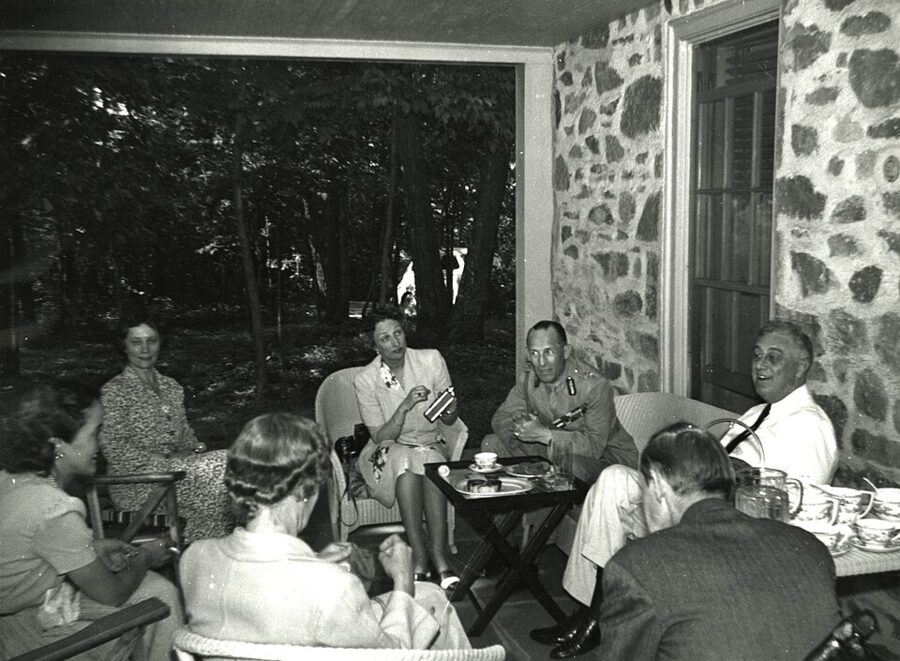

Eight episodes on Crown Princess Märtha (Sofia Helin) in wartime exile in Washington and her friendship with President Roosevelt (Kyle MacLachlan). It won the International Emmy for best TV movie or miniseries in 2021 and was the first Norwegian production shown on PBS Masterpiece. In Norway it was savaged: historians, led by the royal biographer Tor Bomann-Larsen, said it hugely overstated Märtha’s influence on US policy, and NRK changed its own billing from a true story to one “inspired by” true events.
Watch it as costume drama, not history. On NRK TV it is rated 12+, available until 24 October 2027, and blocked outside Norway.
Makta (NRK, 2023–2024)
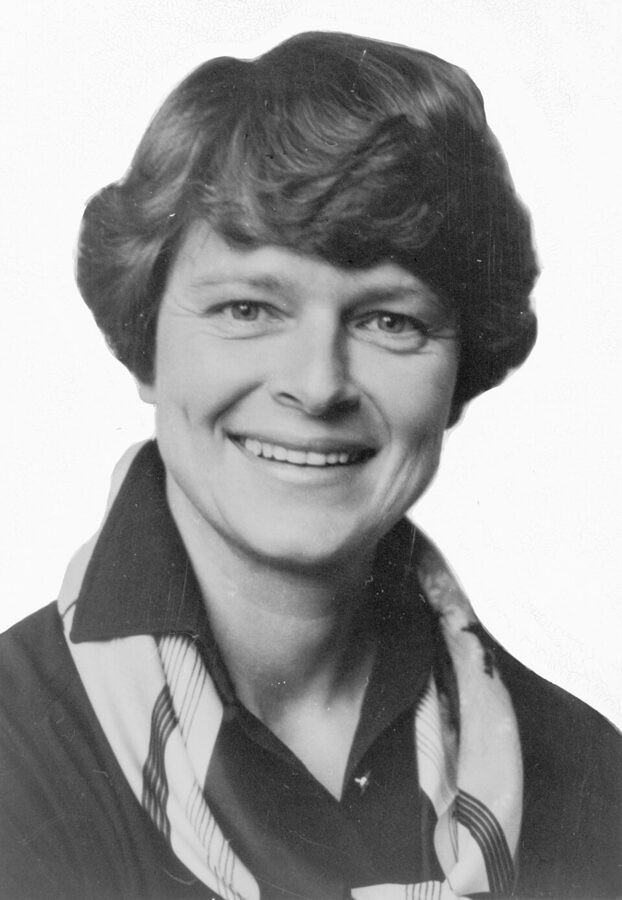

Makta (the power) covers the Labour Party’s struggles of the 1970s and 1980s and the rise of Gro Harlem Brundtland, a doctor who became Norway’s first woman prime minister in 1981. NRK presents it as based on “truth, lies and bad memory”, and it won eight Gullruten awards in 2024, including best drama. Twelve episodes in two parts, and a sharp look at how power worked inside the party that ran postwar Norway. It is geoblocked abroad.
Nobel (NRK, 2016)
Aksel Hennie plays a special forces soldier home from Afghanistan who finds the war has followed him to Oslo. Eight episodes, filmed in Oslo, Prague and Morocco, and the winner of the Prix Europa for best European TV movie or miniseries in 2016. It is not on NRK TV in November 2026.
Twin (NRK, 2019)
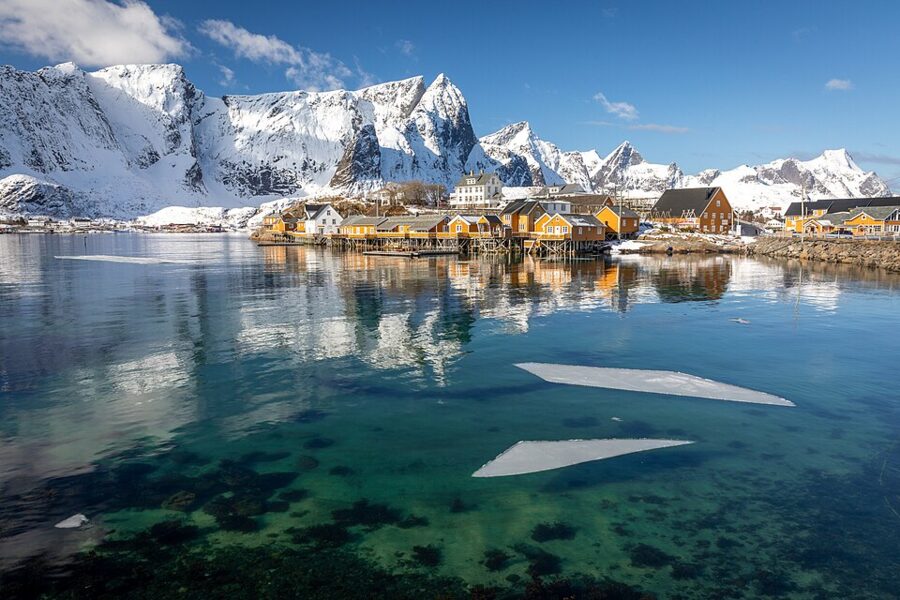

Kristofer Hivju, Tormund in Game of Thrones, plays identical twins: Erik, a broke surfer, and Adam, who runs a business in Lofoten with his wife. A fight ends with Adam dead and Erik living his life. It was filmed in Lofoten, largely around Sakrisøy in Moskenes, and the surf and the mountains do half the acting. NRK’s rights ran out on 30 September 2026, and in 2024 Netflix commissioned an English-language remake.
Heimebane / Home Ground (NRK, 2018–2019)
Helena Mikkelsen (Ane Dahl Torp) becomes the first woman to coach a men’s team in the Eliteserien, the top football league, at a fictional club called Varg. It won five Gullruten awards in 2018, including best drama and both lead acting prizes. NRK’s own pages for the series are written in Nynorsk. Geoblocked abroad in November 2026.
Ragnarok (Netflix, 2020–2023)
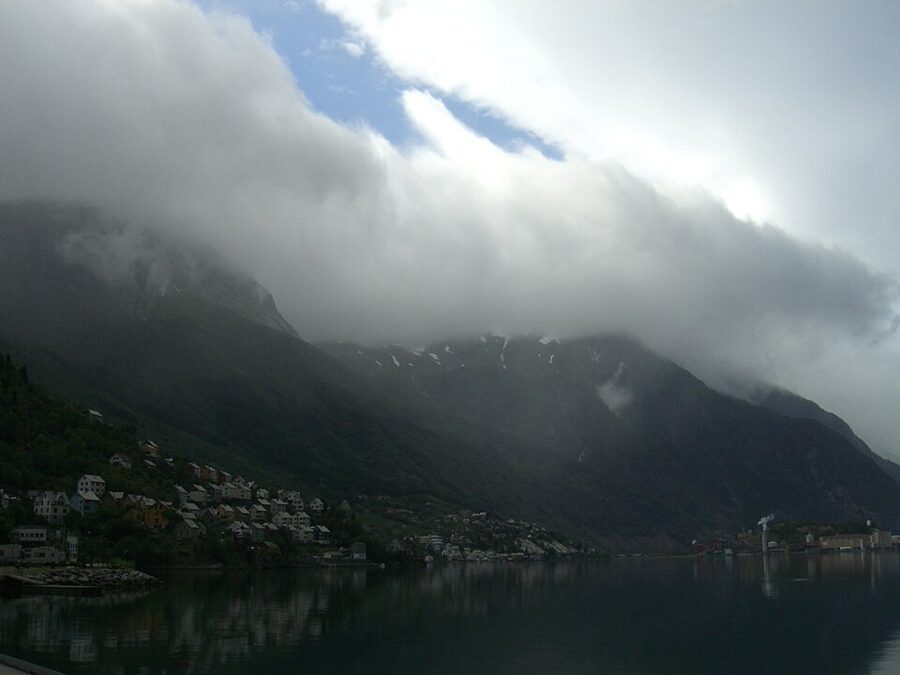

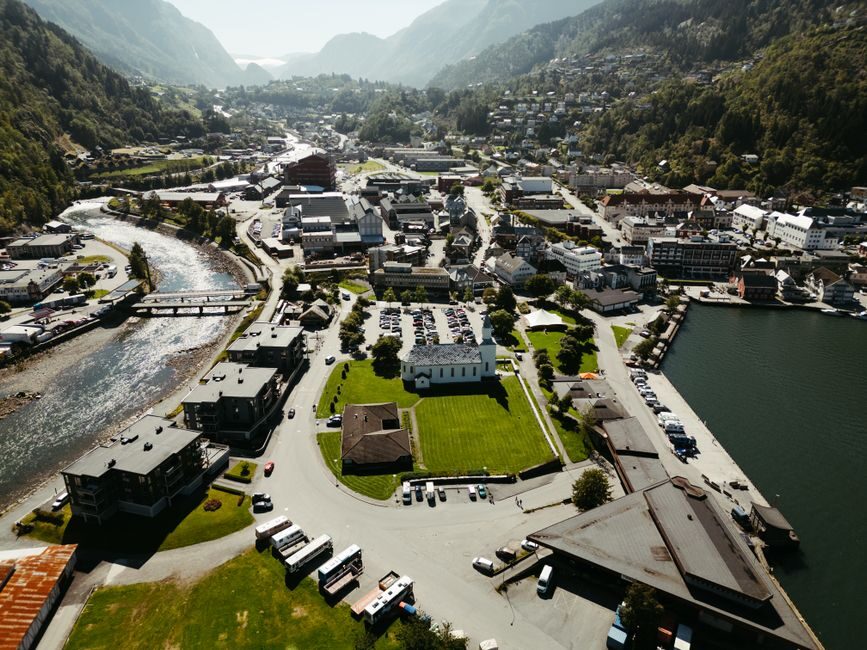
Magne, a teenager in the fictional fjord town of Edda, discovers he is Thor reborn; the family that owns the local factory are giants, and the glaciers are melting. Netflix made it with the Danish company SAM Productions and filmed it in Odda, an industrial town at the head of the Sørfjord in Hardanger, with a smelter on its shore. The Norwegian press was hard on it; VG pointed out that a series set in western Norway had almost nobody speaking a western dialect.
As a learner’s tool it is better than its reviews. Ragnarok on Netflix carries Norwegian as the original audio and Norwegian subtitles, and as a Netflix original it streams in every country Netflix serves.
Beforeigners (HBO, 2019–2021)
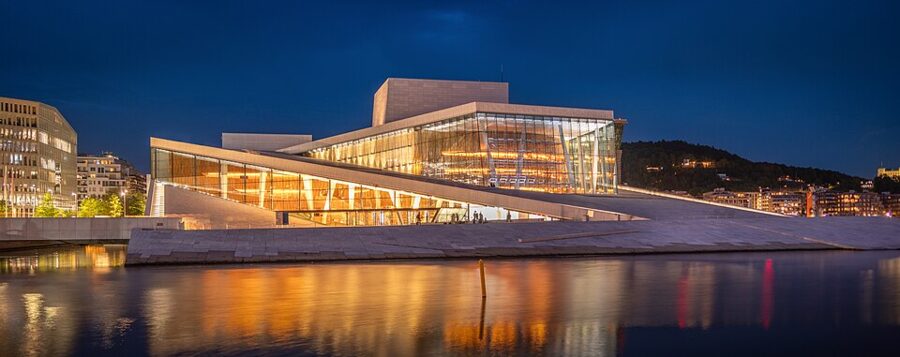
Flashes of light appear in the water at Bjørvika, and people from the Stone Age, the Viking Age and the 1800s start climbing out of Oslo’s harbour. Years later, a Viking shieldmaiden, Alfhildr (the Finnish actor Krista Kosonen), joins the Oslo police as its first “multitemporal” officer. Lilyhammer’s creators, Anne Bjørnstad and Eilif Skodvin, wrote it as a satire on immigration and integration debates, and hired linguists to build the dialogue: a reconstructed Mesolithic language, Old Norse from around the year 1000 and the upper-class Norwegian of the late 1800s. It was HBO Europe’s first Norwegian original; HBO Max is where to look for it.
Comedy and lighter series
Norwegian comedy runs on embarrassment, bureaucracy and long silences. The best of it is very local and travels surprisingly well.
Lilyhammer (NRK and Netflix, 2012–2014)
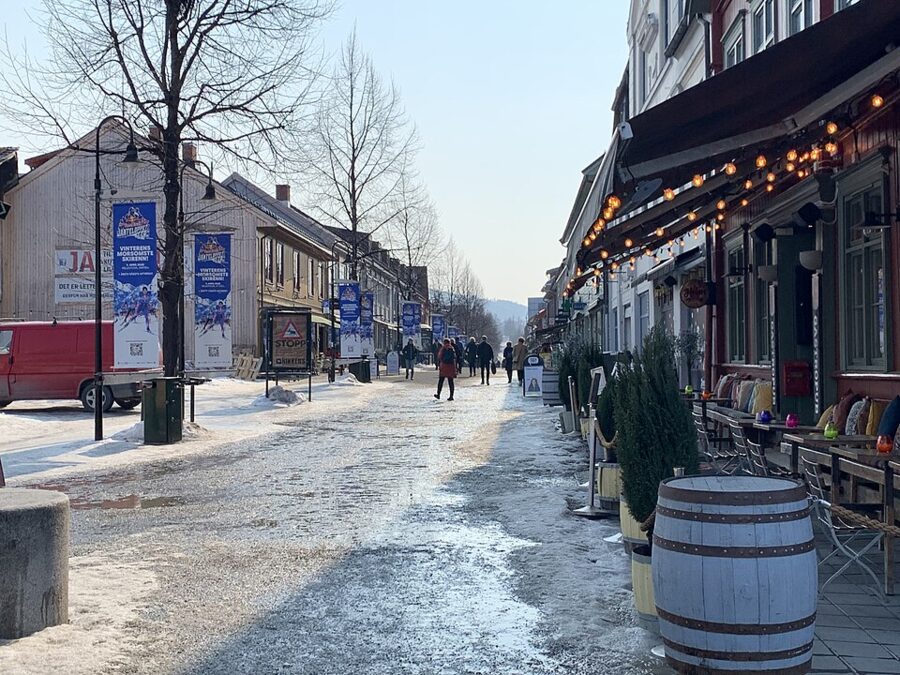

Frank Tagliano (Steven Van Zandt, of the E Street Band and The Sopranos) testifies against his boss in New York and asks the FBI to relocate him to Lillehammer, because he liked the look of it during the 1994 Winter Olympics. As Giovanni “Johnny” Henriksen he meets the welfare office, the Norwegian language class and the local police, and opens a nightclub. Twenty-four episodes over three seasons, sold to more than 130 countries, and filmed mostly in Lillehammer itself.
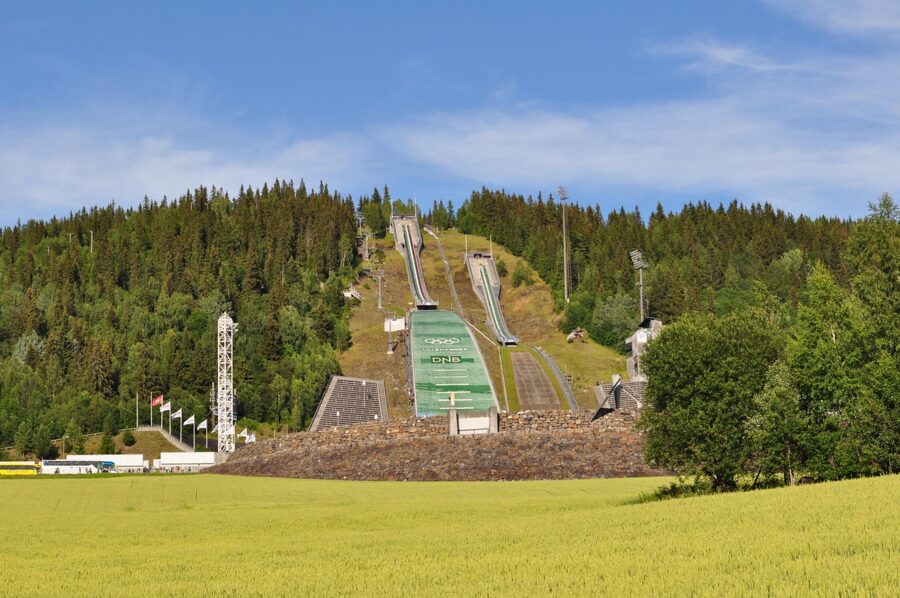
Lilyhammer is a parody of Nordic noir as much as of Norway, and with so much of the dialogue in English it suits beginners. NRK’s own rights expired long ago; Lilyhammer on Netflix lists all three seasons in November 2026.
Vikingane / Norsemen (NRK, 2016–2020)
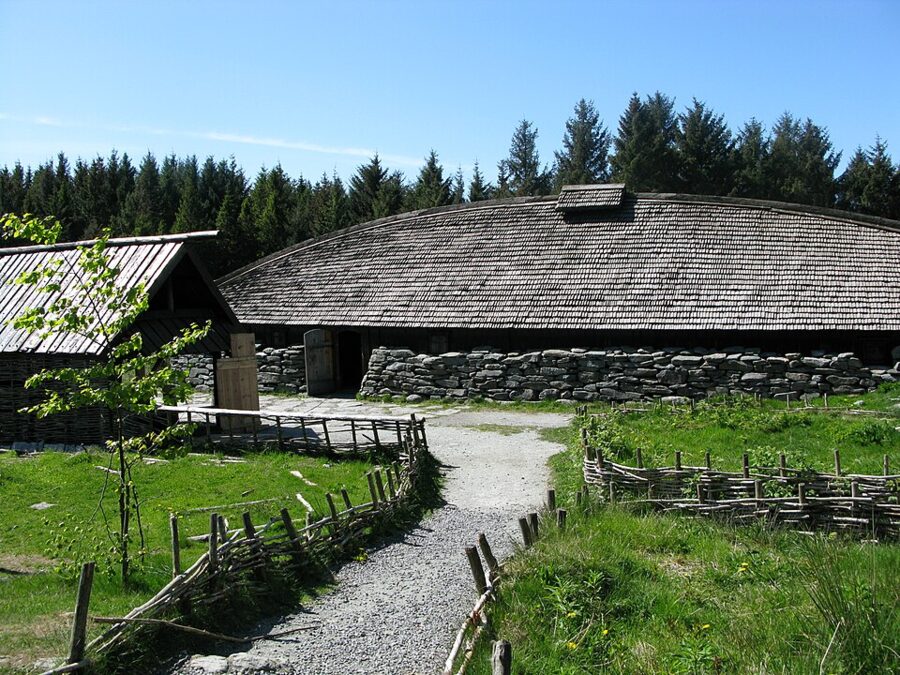

A Viking village called Norheim around the year 790, where the raiders think, talk and squabble like modern Norwegians between raids, and a pompous Roman actor has been kidnapped to bring them culture. Every scene was filmed twice, once in Norwegian and once in English, at Avaldsnes on Karmøy for the first two seasons and at Midgard vikingsenter in Borre, Horten, for the third. It won Gullruten for best comedy twice.
For a learner, that double shoot matters: Netflix carries Norsemen, the English version, with English as the only audio track. The Norwegian original, Vikingane, is on NRK TV and blocked outside Norway.
Side om side (NRK, 2013–2023)
A sitcom about neighbours in Granli, a fictional suburb in Østfold, where small neighbourhood problems, mostly very small ones, become crises. Ten seasons and 100 episodes, filmed on a single street at Røa in Oslo. It is NRK’s most watched comedy, and it is one of the most useful series on the list for learners: in November 2026 Side om side on NRK TV plays abroad, with Norwegian subtitles on all speech.
Pørni / Pernille (Viaplay, then Netflix, 2021–2025)
Henriette Steenstrup created, wrote and stars as Pernille “Pørni” Middelthon, a child welfare worker in north-western Oslo, raising two daughters and a nephew while her widowed father comes out as gay in the first episode. It started on Viaplay in May 2021, moved to Netflix in 2024 for its fourth season, and ended with the fifth in May 2025. Warm, sad, very funny about the Norwegian middle class, and all five seasons are on Netflix as Pernille, with Norwegian audio and Norwegian subtitles.
Rådebank (NRK P3, 2020–2022)
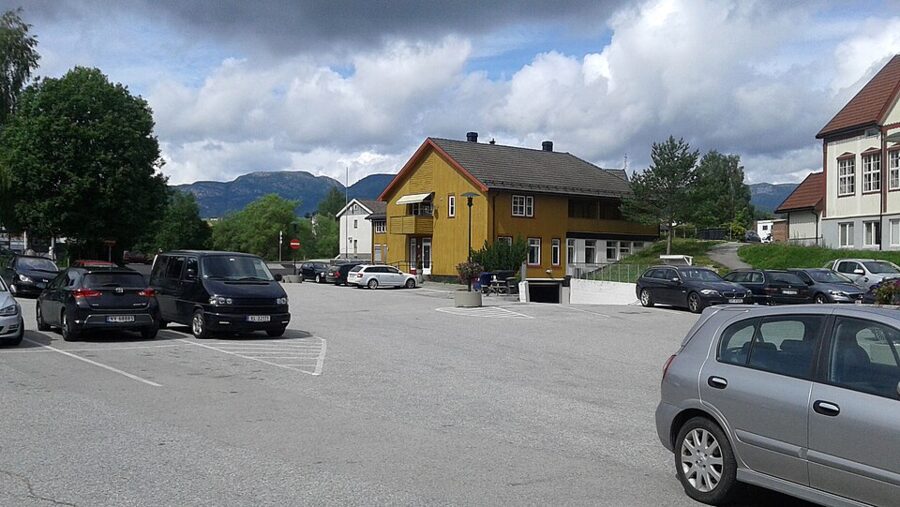

A råner is a young man who cruises the village in an old American car with a loud exhaust, and Rådebank (the sound of a worn engine) is about the råner crowd in Bø in Telemark. It was filmed in Bø, Porsgrunn and Skien, won seven Gullruten awards in 2021, and was sold to Finland, Sweden and Denmark. It is rural and specific, set and filmed in Telemark, which is the point. Geoblocked abroad.
Hjem til jul / Home for Christmas (Netflix, 2019–2025)
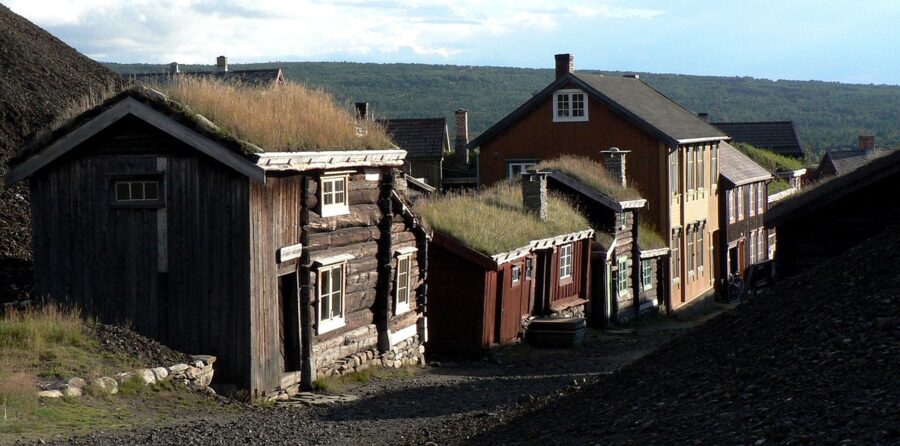
Johanne, a 30-year-old nurse, tells her family on 1 December that she has a boyfriend, and has 24 days to find one. It was Netflix’s first Norwegian original and the most streamed series on Netflix in Norway in 2019. Most of it was shot in Oslo, with the snowy exteriors filmed in Røros, the old copper-mining town in Trøndelag. A third season arrived on 12 December 2025, and Home for Christmas on Netflix carries Norwegian audio and Norwegian subtitles.
Post Mortem: No One Dies in Skarnes (Netflix, 2021)
Live, a nurse in Skarnes, is found dead in a field and wakes up as her autopsy begins; her brother’s funeral home, meanwhile, is going bankrupt because nobody in town dies. Dark comedy with vampires, set in a small town in Innlandet: one of the odder things Netflix has made in Norwegian, and it streams with Norwegian audio and subtitles.
Slow TV and documentaries

Slow TV (sakte-TV) began in NRK’s Bergen office in 2009, when the Bergen Line railway turned 100. On 29 November 2009 NRK2 showed the whole train journey from Bergen to Oslo, with four cameras on the train: 7 hours and 16 minutes, nearly 1.2 million viewers. Språkrådet, the Language Council, named sakte-TV its new word of the year in 2013, and in 2016 Netflix bought several of the programmes for its own catalogue.
Hurtigruten minutt for minutt (2011)
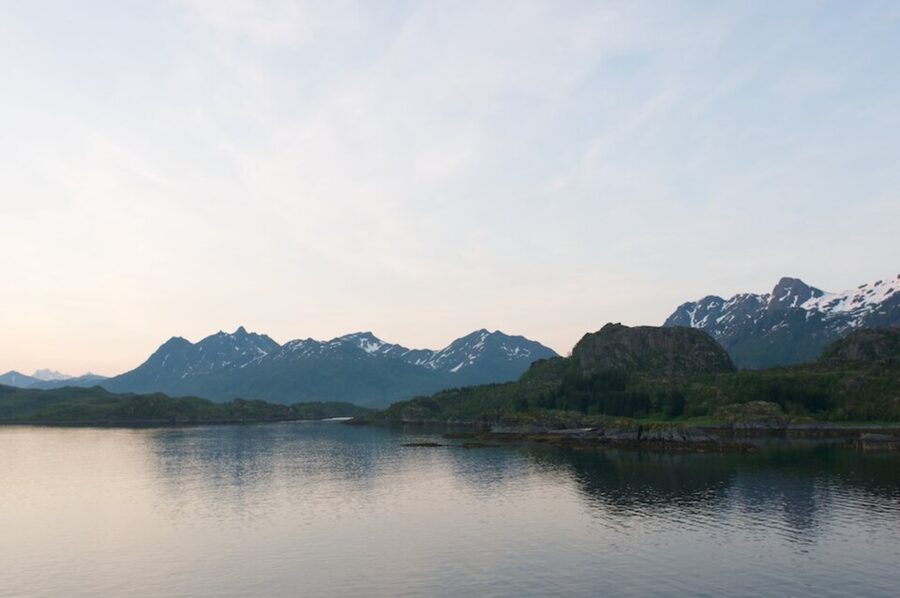

The big one. From 16 to 22 June 2011 NRK followed MS Nordnorge from Bergen to Kirkenes live, with eleven cameras aboard and a conference room turned into a control room. Where mountains blocked the satellite signal, NRK cut to footage from a rehearsal voyage a week earlier. Boats came out to meet the ship, the coast guard sprayed water cannons in Raftsundet, and Queen Sonja met it in the royal yacht off Kirkenes.
Sources give the audience as 2.6 million or over 3.2 million people, depending on how a viewer is counted, in a country of just under five million at the time. Guinness accepted it as the longest continuous live documentary broadcast, and in 2012 it entered Norway’s documentary heritage register. Hurtigruten minutt for minutt on NRK TV has no expiry date, plays outside Norway and carries Norwegian subtitles on all speech. The coastal ships still sail the route, and a day or two aboard fits easily into planning a trip to Norway.
The rest of the minute-by-minute catalogue
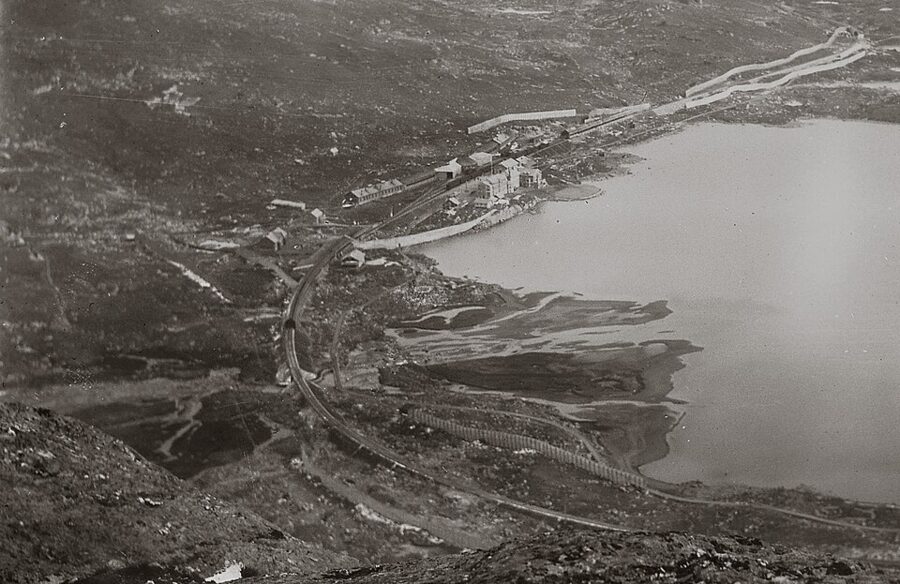
The shorter ones are easier to dip into. Nordlandsbanen minutt for minutt (2012) runs the 729 km of railway from Trondheim to Bodø in 9 hours and 50 minutes, cut across all four seasons. Nasjonal vedkveld (2013) was four hours about firewood followed by eight hours of a fire burning, and it was news abroad. Salmeboka fra perm til perm (2014) had choirs sing all 899 hymns in the new hymnbook over 60 hours.
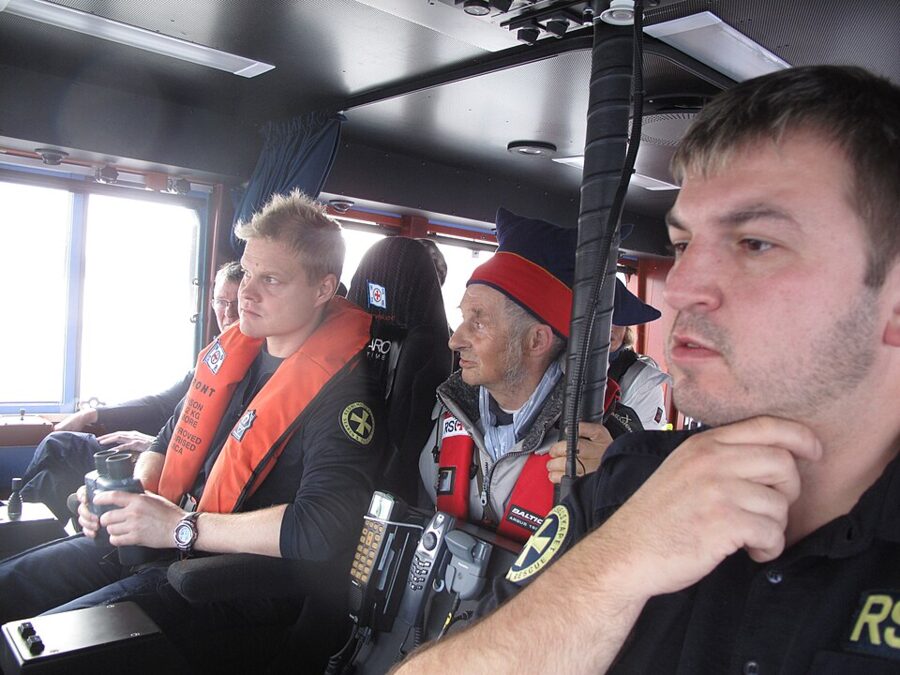

Reinflytting minutt for minutt (2017) follows the Sara family from Karasjok moving more than 1,000 reindeer from winter grazing on Finnmarksvidda to summer pasture on Kvaløya in Finnmark, with a camera strapped to one animal’s head. It is the best hour-for-hour introduction to the work behind Sámi reindeer herding, and Reinflytting minutt for minutt plays abroad. Svalbard minutt for minutt sails around the archipelago for more than nine days, 13,319 minutes, and is the longest look at Svalbard you will get without going. Both were free to stream outside Norway in November 2026, as were the Bergen and Nordland railway programmes.
Der ingen skulle tru at nokon kunne bu (NRK, 2002 onwards)
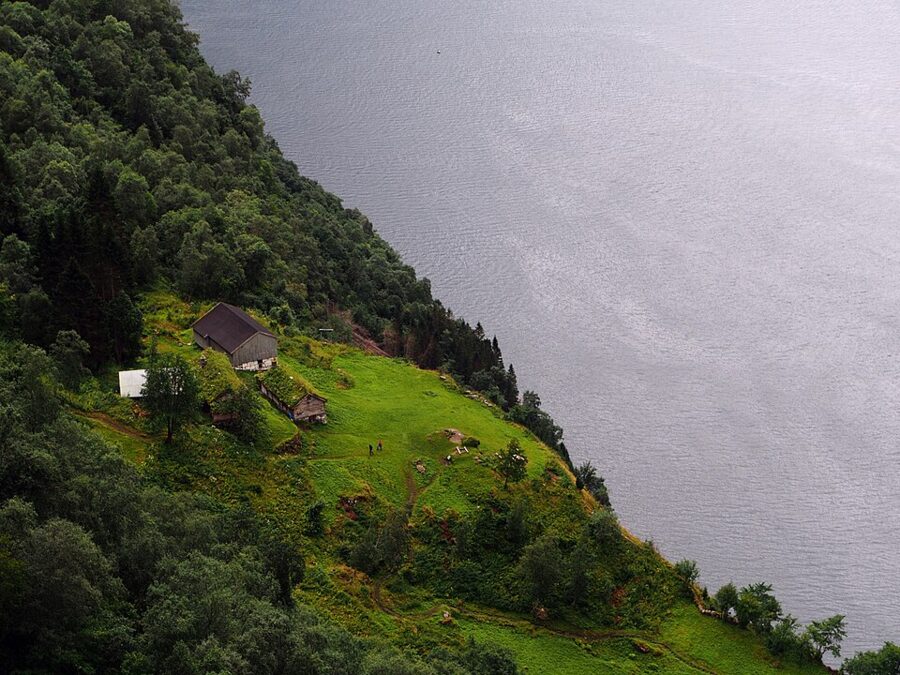

The title, “where nobody would think anyone could live”, comes from a line in an old song, and each episode visits one person or family on a roadless farm, an island or a mountain shelf, filmed slowly, with quiet music. Oddgeir Bruaset, a journalist from Rauma, created it for NRK in December 2002; Arve Uglum took over after him, and Noralv Pedersen has presented it since 2020. The 2024 season averaged more than a million viewers, and the series has run on SVT in Sweden since 2003.
It is narrated in Nynorsk, and Bruaset won a media language prize in 2003 for how well he wrote and spoke it. In November 2026 Der ingen skulle tru at nokon kunne bu lists 25 seasons and plays outside Norway with Norwegian subtitles, which makes it the best free Nynorsk listening practice there is.
Learning Norwegian with Norwegian TV

Norwegian has two written standards and no spoken one. About 90 per cent of people who write Norwegian use Bokmål, which grew out of Danish; about 10 per cent use Nynorsk, which Ivar Aasen built in the 1800s from the rural dialects. NRK aims for at least 25 per cent Nynorsk in its journalism, so you will meet both on screen and in subtitles.
Speech is a different matter. Norwegians speak their own dialect at work, on the news and in drama, and no official spoken standard exists to fall back on. Skam and Exit are Oslo speech, Rådebank is Telemark, Der ingen skulle tru moves from valley to valley, and Ragnarok’s lack of western dialect was a complaint precisely because Norwegian viewers expect a story set in Hordaland to sound like it.
Subtitles: the setting that matters
NRK TV offers two Norwegian subtitle tracks, and the difference is easy to miss. Norsk subtitles only the foreign-language speech in a programme; Norsk – på all tale subtitles everything, and that is the one you want. NRK provides subtitles on all new programmes, though some older archive material has none. On Netflix, the Norwegian originals (Ragnarok, Home for Christmas, Pernille, Detective Hole, Post Mortem) carry Norwegian audio and Norwegian subtitles; the one trap is Norsemen, which is the English version.
An order to watch in
- Weeks 1–4: Lilyhammer, then Home for Christmas, with Norwegian subtitles on. Short scenes, clear situations, plenty of English to hold on to.
- Next: Side om side and Pernille. Family and neighbour talk, the vocabulary of everyday Norwegian life, and Side om side is free abroad.
- Then: the slow TV and Der ingen skulle tru. Little dialogue, clearly spoken, and your first steady exposure to Nynorsk and to dialects outside Oslo.
- Last: Skam, Exit, Rådebank. Fast speech, slang and dialect. Skam with Norwegian subtitles on all speech is a reasonable final exam.
If you are moving to Norway rather than visiting, the series that are blocked abroad all open up once you are there, and NRK TV is free. Free public television is one of the small savings in living in Norway cheaply.
Where to stream Norwegian TV legally in 2026
NRK TV is free to use, and inside Norway its whole current catalogue plays. Outside Norway the picture changes, and the rules on NRK TV abroad are strict:
- Inside the EEA: people resident in Norway can watch everything while travelling, after logging in and confirming residence with BankID or MinID. Residence is what counts, not citizenship or where you pay tax.
- Outside the EEA: only a selection plays, news and magazine programmes among them. Even NRK’s own productions can carry rights limits.
- VPNs: NRK blocks them, because it cannot tell whether the traffic comes from Norway, and its contracts with rights holders require it to check.
Netflix is the easiest legal route for most people outside Scandinavia, and its originals stream in every country it serves. Licensed series move between services by country and by year, so treat the Netflix entries for Lilyhammer and Norsemen as a starting point. Viaplay series such as Wisting are sold country by country.
| Series | Where, November 2026 | Outside Norway? |
|---|---|---|
| Skam | NRK TV | No |
| Lykkeland | NRK TV (to August 2028) | No |
| Exit | NRK TV (to 2033) | No |
| Atlantic Crossing | NRK TV (to October 2027) | No |
| Makta, Heimebane, Rådebank, Vikingane | NRK TV | No |
| Mammon, Side om side, Kampen for tilværelsen | NRK TV | Yes |
| Hurtigruten, Nordlandsbanen, Svalbard and Reinflytting minutt for minutt | NRK TV | Yes |
| Der ingen skulle tru at nokon kunne bu | NRK TV | Yes |
| Twin | Rights on NRK TV ended 30 September 2026 | No |
| Ragnarok, Home for Christmas, Detective Hole, Post Mortem, Billionaire Island | Netflix originals | Yes, everywhere Netflix operates |
| Pernille (Pørni) | Netflix, all five seasons | Yes, where Netflix licenses it |
| Lilyhammer, Norsemen (English version) | Netflix | Yes, where Netflix licenses it |
| Wisting, Okkupert | Varies by country | Check local services |
Two titles in the table need a line each. Billionaire Island (2024) follows a fish-farming boss planning a hostile takeover of her local rival to become the world’s largest salmon producer, which is close enough to real Norwegian fortunes to sting. Kampen for tilværelsen, NRK’s 2014 satire about a young Polish academic in the garden suburb of Ullevål Hageby, is also free abroad on NRK TV, with Norwegian subtitles.
Filming locations you can visit
Most of these are ordinary towns, which is part of their appeal: the location is the street, and the street is still there.
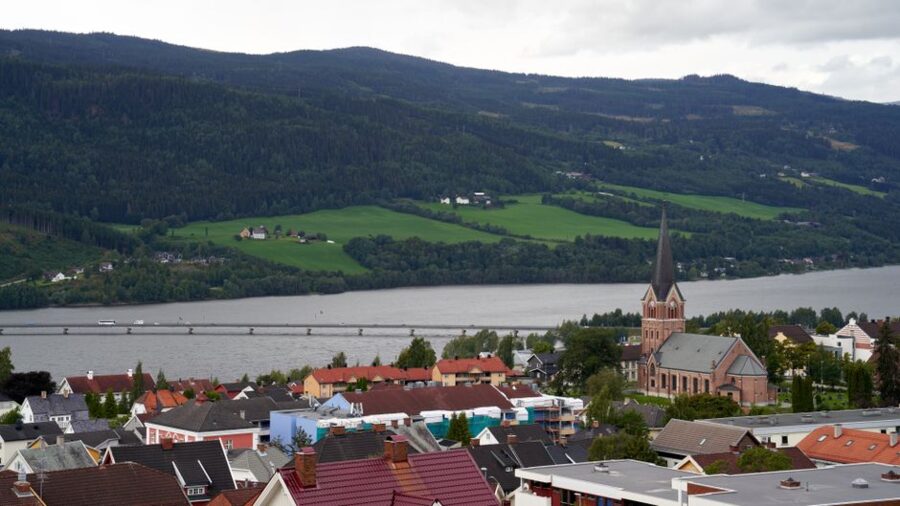
- Lillehammer (Lilyhammer): the town on Lake Mjøsa, on the main railway north from Oslo. Walk Storgata, the pedestrian street, and go up to the ski jumps at Lysgårdsbakken, built for the 1994 Winter Olympics that Frank watched on television.
- Odda (Ragnarok): at the head of the Sørfjord in Hardanger, best known as the base for the Trolltunga hike. The town plays Edda, and the fjord and glaciers around it are the series’ best scenery.
- Hartvig Nissens skole, Oslo (Skam): on Niels Juels gate in Frogner. It is a working school with about 630 pupils, so look from the street and keep moving.
- Stavanger (Lykkeland): the old wooden town of Gamle Stavanger and the Petroleum Museum on the harbour tell the before and after.
- Larvik and Stavern (Wisting): the coastal towns of Vestfold where the books and the series are set.
- Sakrisøy, Lofoten (Twin): the island of yellow rorbuer (fishermen’s cabins) beside Reine in Moskenes, on the E10. From the north it is a long day from Tromsø to Lofoten‘s western end.
- Røros (Home for Christmas): the wooden mining town in Trøndelag, on the UNESCO World Heritage List, at its most like the series in December.
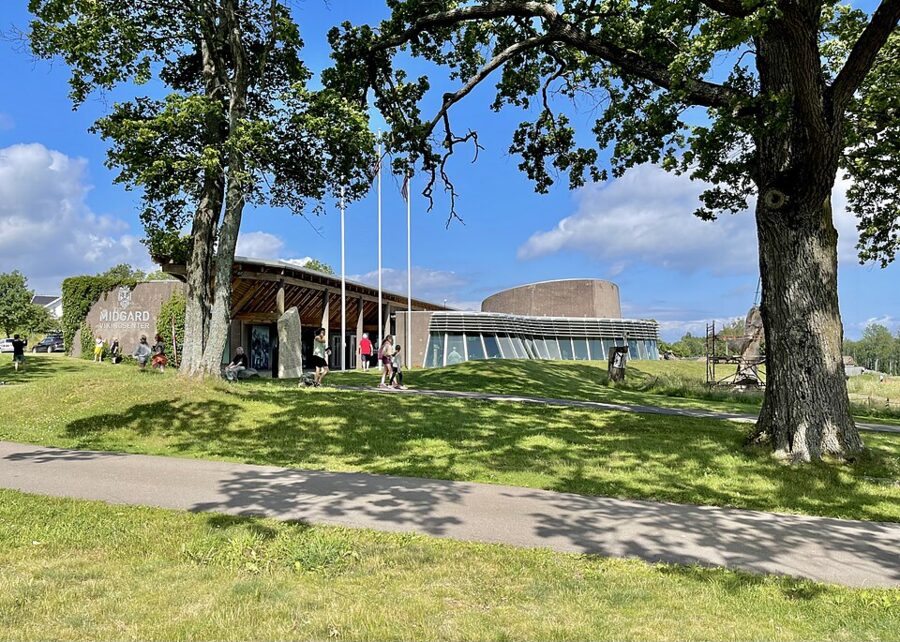
- Avaldsnes and Borre (Vikingane): Avaldsnes on Karmøy, and Midgard vikingsenter in Borre, Horten, beside the Borre burial mounds. In late November 2026 Midgard was open Wednesday to Sunday, 11:00–16:00, adults NOK 100.
- Bø i Telemark (Rådebank): the village and its main road, with Porsgrunn and Skien for the rest.

The cheapest of all is the one that started the craze. Hurtigruten and Havila ships still sail between Bergen and Kirkenes, calling at the ports MS Nordnorge called at in June 2011, and you can watch the 2011 voyage on NRK TV before you board, minute by minute, from wherever you are. Pick a port near you, check the timetable, and stand on the quay at the time it says.